
Last updated November 22, 2026
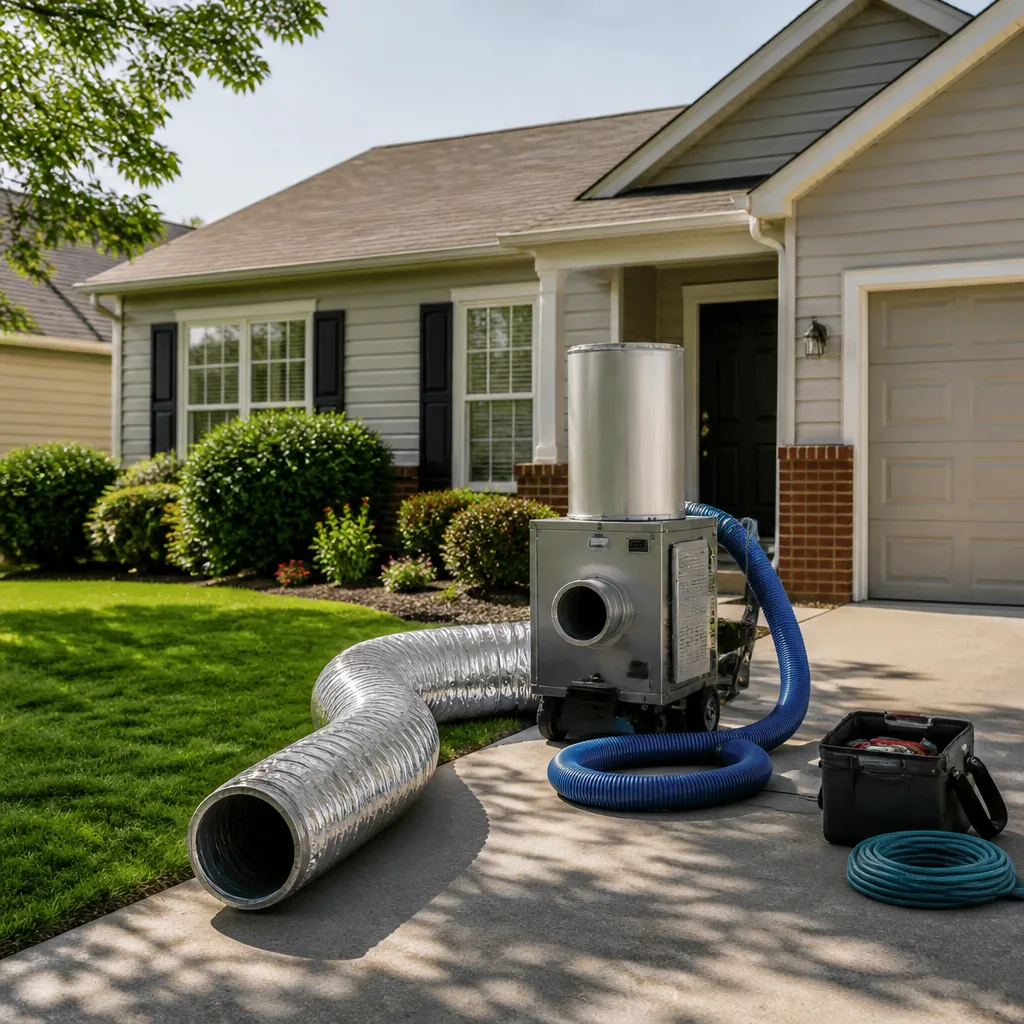 Whole-home duct cleaning
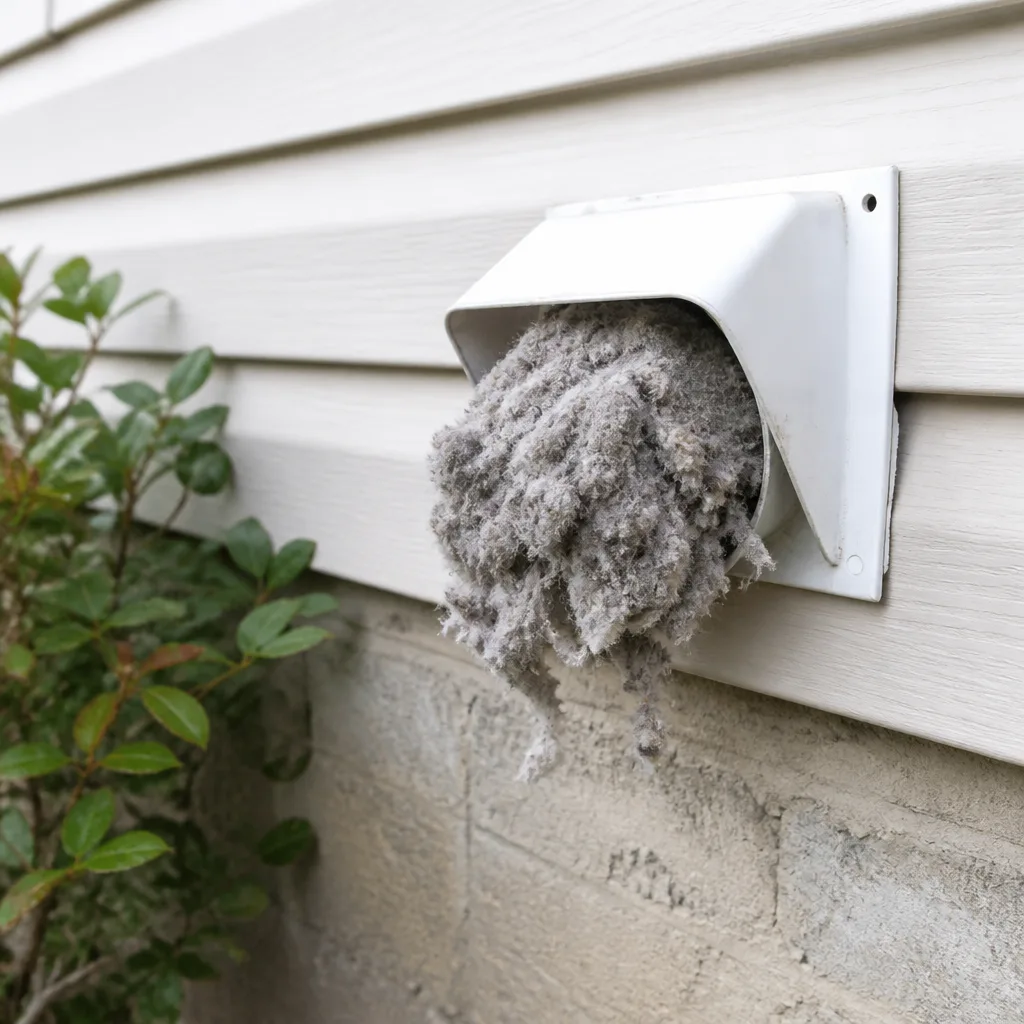 Dryer vent cleaning
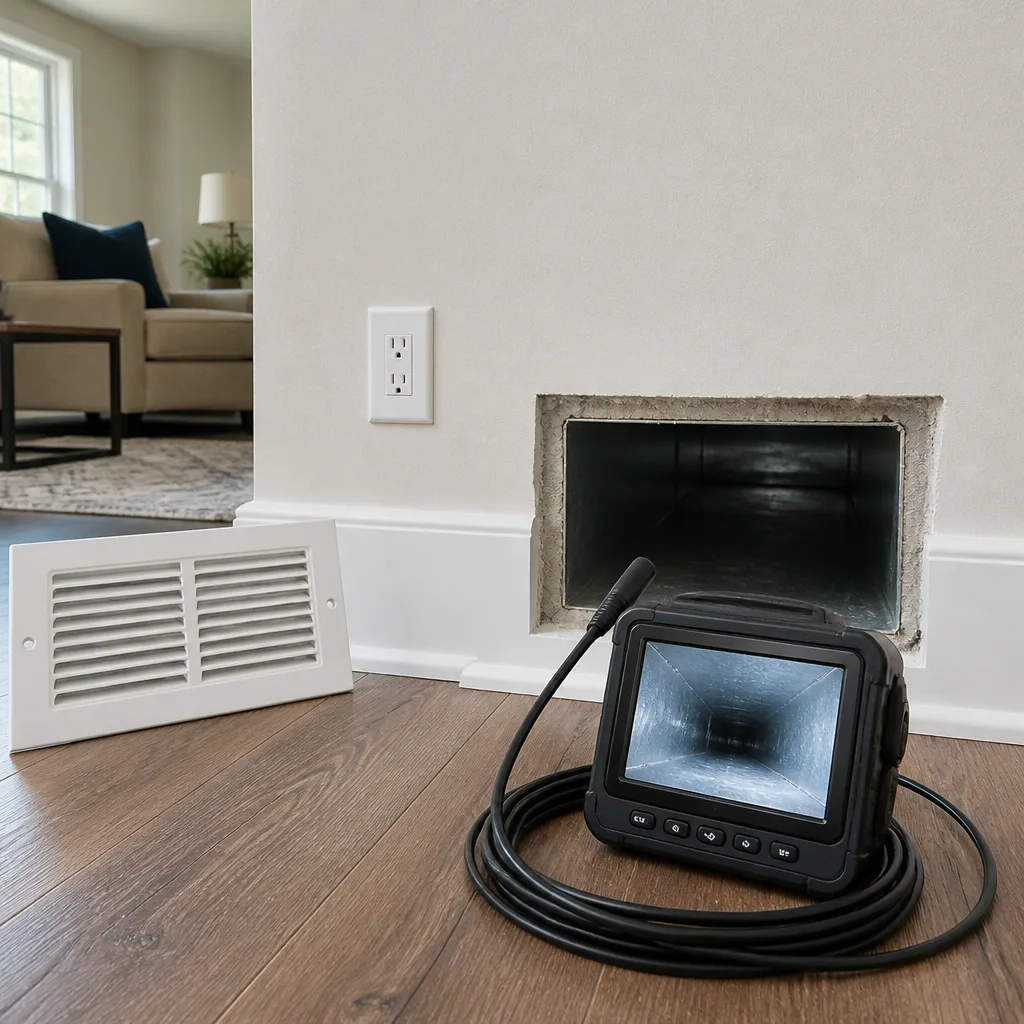 Camera inspection
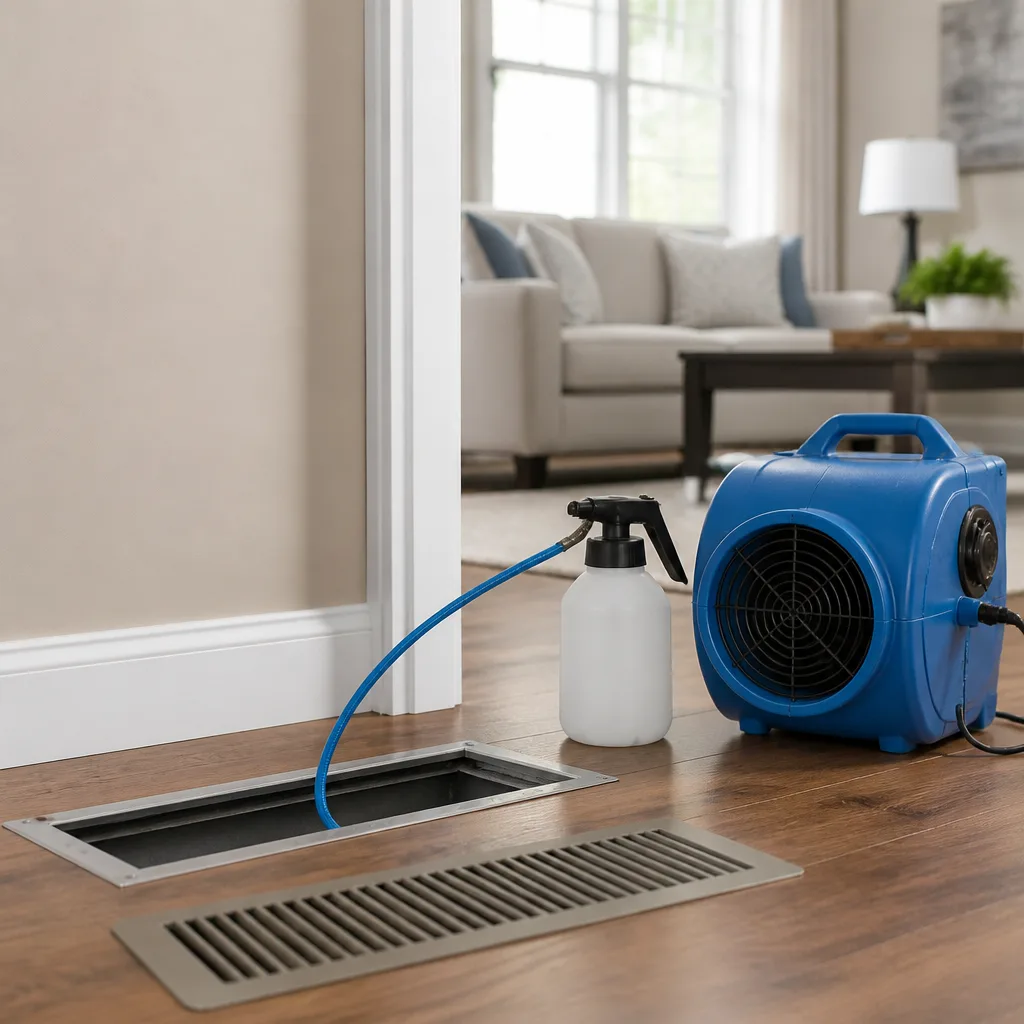 Sanitizing & deodorizing
Whole-system duct and dryer vent check with before-and-after photos - you see exactly what came out of your vents
That "$99 whole-house special" is a bait ad - the real number appears once they are in your hallway, or the "clean" is a shop-vac at the register. We photograph the inside of your ducts before and after instead.
Seasonal Air Duct Cleaning Care for East Village: Year-Round Homeowner’s Guide
The first cold snap of October is when a summer’s worth of dust gets pushed through every supply register in an East Village apartment at once, and most residents never notice until the musty smell settles in. The common assumption is that ducts need one good cleaning a year, preferably in fall, and that’s the end of it. In practice, what builds up inside a duct system changes with every season in this neighborhood, and the cleaning that helps most in July doesn’t address what happens in February. This guide walks through what each season deposits, when the two highest-risk transitions fall, and how to build a rolling 12-month schedule.
Quick Answer
Air ducts in East Village need attention at two high-risk points each year rather than once: a pre-heating inspection in September before the first heat cycle activates accumulated dust, and a pollen-season filter upgrade in spring. Summer cooling adds moisture, and fall leaves and street exhaust add fine debris, so a year-round plan front-loads effort at those seasonal transitions instead of relying on a single annual cleaning.
Styles & brands we work with
- Whole-home duct cleaning
- Dryer vent cleaning
- Camera inspection
- Sanitizing & deodorizing
Table of Contents
- Why Seasonal Care Beats an Annual Cleaning
- What Each Season Deposits in East Village Ducts
- The September Pre-Heating Inspection
- Summer Cooling Season and Moisture Risk
- Spring Pollen and Filter Upgrades
- Building a Rolling 12-Month Schedule
- What Makes East Village Buildings Different
- Signs Your Ducts Need Attention Now
Why Seasonal Care Beats an Annual Cleaning
A single annual cleaning treats the duct system as a static problem: debris builds up, someone removes it, and the clock resets. Ducts don’t work that way. What collects inside them is a product of the air that moves through them, and in East Village that air changes character with the calendar. A system that gets one deep cleaning in, say, March will carry a summer’s moisture and a fall’s worth of street debris into the heating season untouched.
Seasonal care isn’t about cleaning more often. It’s about cleaning at the right moments, when the contamination load is about to change state or get pushed into living space. Two moments matter more than the rest:
- The first heat cycle of fall. When a boiler or furnace warms up after months idle, it activates settled dust and loose debris that have been sitting quietly in return ducts. That’s the moment contamination becomes airborne.
- The first warm, breezy stretch of spring. Pollen enters through fresh-air intakes, window gaps, and any return duct that pulls from an unconditioned hallway. That’s the moment the airstream gets loaded with fine organic particles.
Everything else in the year is maintenance around those two anchors. If you plan only one appointment, put it in September. If you plan two, add an early spring filter change and inspection. We’ve seen more improvement from those two touch points than from a single mid-summer deep clean, because the timing matches what the system is actually handling.
If you want the fundamentals of a full cleaning before planning a schedule, our Air Duct Cleaning East Village page covers what a whole-system job includes.
What Each Season Deposits in East Village Ducts
Understanding what lands in a duct system each quarter makes it easier to see why the contamination profile shifts. The table below is how we think about the year in this neighborhood.
| Season | Primary deposits | Why it matters |
|---|---|---|
| Spring | Tree and grass pollen, fine grit from open windows | Loads filters fast; fine particles pass filters and settle in supply runs |
| Summer | Moisture from cooling coils, dust, construction debris from local renovations | Moisture plus organic dust is the mold-risk combination |
| Fall | Leaf debris, street exhaust particles, road grit | Fine particles concentrate in returns; the heating cycle will push them out |
| Winter | Dry dust, lint, heating-system soot traces | Low humidity makes dust airborne longer; static pulls it to registers |
The important point is that these don’t simply add up. Moisture in summer changes the texture of what’s already there. Fine street debris in fall acts as a carrier for that moisture. Then winter heating dries everything and makes it mobile. A cleaning in July removes a different mix than a cleaning in September, and a September cleaning removes the load that would otherwise be blown into rooms all winter.
If you’re noticing the effects of that load already, meaning musty smells, uneven airflow, or dust that settles on surfaces within a day of wiping, it’s worth bringing in a professional to inspect rather than waiting for the calendar to catch up. We walk through the whole process on our air duct cleaning page.
The September Pre-Heating Inspection
September is the single most useful month for duct care in East Village, and the reason is mechanical. A heating system that has run all summer only on cooling, or not at all, has been quietly accumulating debris in return and supply runs. When the first heating cycle runs, warm air moves through that debris and lifts it into the airstream. Whatever is in the ducts gets distributed through the apartment within minutes of the system firing.
A pre-heating inspection in September catches that before it happens. A typical inspection covers:
- Return duct inspection. The return pulls from living space, so it sees the most debris. We check for buildup, blockages at grilles, and any loose material near the air handler.
- Supply run check. Supply ducts often show fine settled dust that looks minor until the heat cycle puts it in motion.
- Air handler and coil. A coil that’s been pulling summer moisture can carry dust into a paste-like layer that restricts airflow.
- Seam and joint review. Leaks in East Village’s older buildings are common, and a leak that was harmless in summer becomes a dust-pumping gap once heated air starts moving.
- Filter condition and fit. A filter that’s the wrong size or badly seated lets debris bypass it entirely.
If the inspection finds leaks or damage, we seal them during the same visit rather than referring it out. That matters because a leak that stays open will pull new debris into the system within weeks of any cleaning. For a broader look at duct repair and sealing, our air duct cleaning service page details what’s involved.
Book this one early. The first genuinely cold week in East Village tends to bring a rush of heating problems at the same time as duct requests, and a September appointment is straightforward to arrange.
Summer Cooling Season and Moisture Risk
Summer is when the riskiest combination forms in a duct system: moisture plus organic dust. Air conditioning cools air as it passes over the evaporator coil, and that coil also condenses water out of the air. Under normal operation, the condensate drains away. When the drain is partly blocked, the coil is dirty, or the system runs constantly in humid weather, moisture ends up somewhere it shouldn’t be, and that’s typically the coil surface, the drain pan, or the first stretch of supply duct past the coil.
Once there’s sustained moisture, dust and lint in the duct become a food source. That’s a mold risk, and it’s the reason a cleaning that just removes visible dust in summer can miss the real problem. A summer-focused service visit should cover:
- Coil cleaning and drain pan inspection, looking for standing water or biofilm
- Drain line check for partial blockage
- Supply duct inspection immediately downstream of the coil, where moisture first has a chance to settle
- Sanitizing treatment where appropriate for the conditions found
This is where professional-grade equipment matters. A shop vacuum can’t do anything about a wetted coil or a contaminated duct surface. We use Rotobrush and Nikro systems built for this work, and when contamination is significant, Abatement Technologies equipment for containment-level negative-air work. If sanitizing is indicated, we apply it as part of the same visit, so the air pipeline is cleaned, treated, and verified before you turn the system back on.
For the refrigeration side, the evaporator coil and blower housing are also part of an HVAC cleaning visit. It’s worth knowing that cleaning the duct system while the coil stays fouled only solves half the problem, and the coil is often the source.
And it isn’t only the ducts. A blocked or lint-packed dryer vent in summer poses a specific risk because the dryer is working hard in the heat and lint has less chance to disperse. Regular dryer vent cleaning belongs in the summer season alongside the coil check, and it takes less time than most people expect.
Spring Pollen and Filter Upgrades
Spring in East Village brings a sharp rise in airborne pollen, and a duct system acts as a slow accumulator. Pollen enters through any gap in the envelope: open windows, windowsills, fresh-air intakes, and return ducts that draw from shared hallways. Once inside, fine pollen particles settle into supply runs, and the filter catches only what reaches it.
The right spring action is to upgrade filtration before the peak, not after. Two practices make the biggest difference:
- Match filter rating to the system. A higher MERV rating captures more pollen but adds airflow resistance. If the blower isn’t sized for it, you’ll trade filtration for reduced airflow and higher energy use. We size filtration to the equipment, and can supply and install Honeywell and Aprilaire whole-home air quality products where a permanent solution fits.
- Change the filter at the start of the pollen window, not once a season. A filter loaded with pollen in the first few weeks of spring stops filtering effectively. Two changes across spring usually make more sense than one.
For East Village specifically, spring also coincides with a rise in visible dust on windowsills and near registers. That’s often pollen plus ordinary street grit, and both settle in the same places. If the dust persists after cleaning and fresh filters, an inspection makes sense.
Building a Rolling 12-Month Schedule
A practical year-round plan puts the most work at the two transitions and lighter maintenance in between. Here’s the schedule we recommend for East Village homes and apartment buildings.
- Early March: filter change and first inspection. Replace filters before pollen builds. Inspect the air handler and coil while the heating is winding down.
- Late April: spring filter change. A second change catches the peak pollen load. Clean any registers that show visible buildup.
- June: cooling system check. Inspect coil, drain pan, and drain line for moisture and biofilm. Confirm airflow isn’t restricted.
- July: dryer vent check. Especially in a busy household, lint buildup deserves a direct check during peak dryer use.
- September: pre-heating inspection and cleaning. The most important appointment of the year. Clean returns, inspect supply runs, check seams and joints, seal any leaks found, and confirm the filter is in place before the first heat cycle.
- December: filter change and quick check. Mid-winter dust and lint are airborne longer in dry indoor air. A filter change and a visual check keep the system efficient.
That’s six touch points across the year. Most are quick. The September visit is the substantial one, and if you’re only going to schedule one full cleaning annually, put it there. If you’re already noticing symptoms like uneven airflow or a persistent smell, an earlier inspection is worth its time.
What Makes East Village Buildings Different
Building stock shapes how ducts behave, and East Village’s mix of walk-ups, converted lofts, and older apartment buildings creates specific patterns. A few are worth knowing:
- Duct runs are often improvised. Older buildings have had heating systems added, modified, and extended over many decades. That means short runs, angled joints, and seams that aren’t perfectly sealed, which is why duct sealing is so often part of a cleaning visit.
- Returns pull from shared spaces more often than you’d expect. In buildings where returns draw from hallways or adjacent rooms, settled debris migrates faster than in a purpose-built system.
- Renovations are common. Every local renovation adds fine construction dust to the air. If work is happening in or near your building, expect a measurable rise in duct debris during and shortly after.
- Airflow is often choked by register grilles. Older grilles with narrow slots restrict moving air, and that increases how much fine dust settles in supply runs rather than being carried to the filter.
When we inspect an East Village system, we’re usually looking at all of these factors at once, and the recommendation reflects what we find. If a leak is present, we seal it on the spot. If a filter housing isn’t sized correctly, we note it. If a permanent filtration upgrade makes sense, we supply and install Aprilaire or Honeywell products directly to the home.
Signs Your Ducts Need Attention Now
The seasonal calendar is a reasonable default, but ducts often give clear signals before the next scheduled visit. These are the ones that mean it’s time to call rather than wait:
- A musty or stale smell that appears when the system starts, especially on the first heat cycle
- Visible dust accumulating on surfaces within days of cleaning
- Uneven airflow between rooms, or registers that feel weak compared to the rest of the system
- A whistling or hissing sound near a register, which often signals a leaking joint
- Visible mold or water staining near the air handler, coil, or drain pan
- A recent renovation, or a substantial construction project in your building
- Seasonal allergy or asthma symptoms that follow the system’s run cycle
Any of these is worth an inspection. None of them requires you to open a duct yourself, and in the case of the air handler and coil, we strongly recommend against it. Working near an air handler means working near electrical connections and a blower, and a coil that’s been water-damaged is a job for trained hands. That’s a safety point, not a sales one.
Common Mistakes to Avoid
- Cleaning once a year in summer and skipping the fall transition. A mid-summer cleaning looks good on paper but leaves the system loaded through the highest-risk window. Move the full cleaning to September.
- Skipping the pre-heating inspection. The first heat cycle doesn’t just warm the apartment, it activates everything that accumulated over summer. An inspection in September turns that from a source of indoor air problems into a clean start.
- Using a higher-MERV filter without checking system capacity. A filter that restricts airflow costs more energy than it saves in filtration. Match the rating to the equipment.
- Ignoring a lingering musty smell after a cleaning. Odor that persists after cleaning usually means moisture is still present, often at the coil or drain pan. A second look at that area is worth it.
- Treating duct cleaning as a one-off rather than a scheduled item. The value of a plan is in the timing. Without a calendar, a cleaning lands at a random point in the year and the two transitions get skipped.
- Assuming a dryer vent check is only needed for a dryer problem. Lint accumulates quietly. In a busy household, once a year is reasonable, and in a heavy-use household, more.
- Trusting a cheap per-vent quote without a written estimate. A quote that prices by vent count often rises once the technician sees the system. A flat price per system, agreed before work starts, gives you a real number to plan around.
See the difference
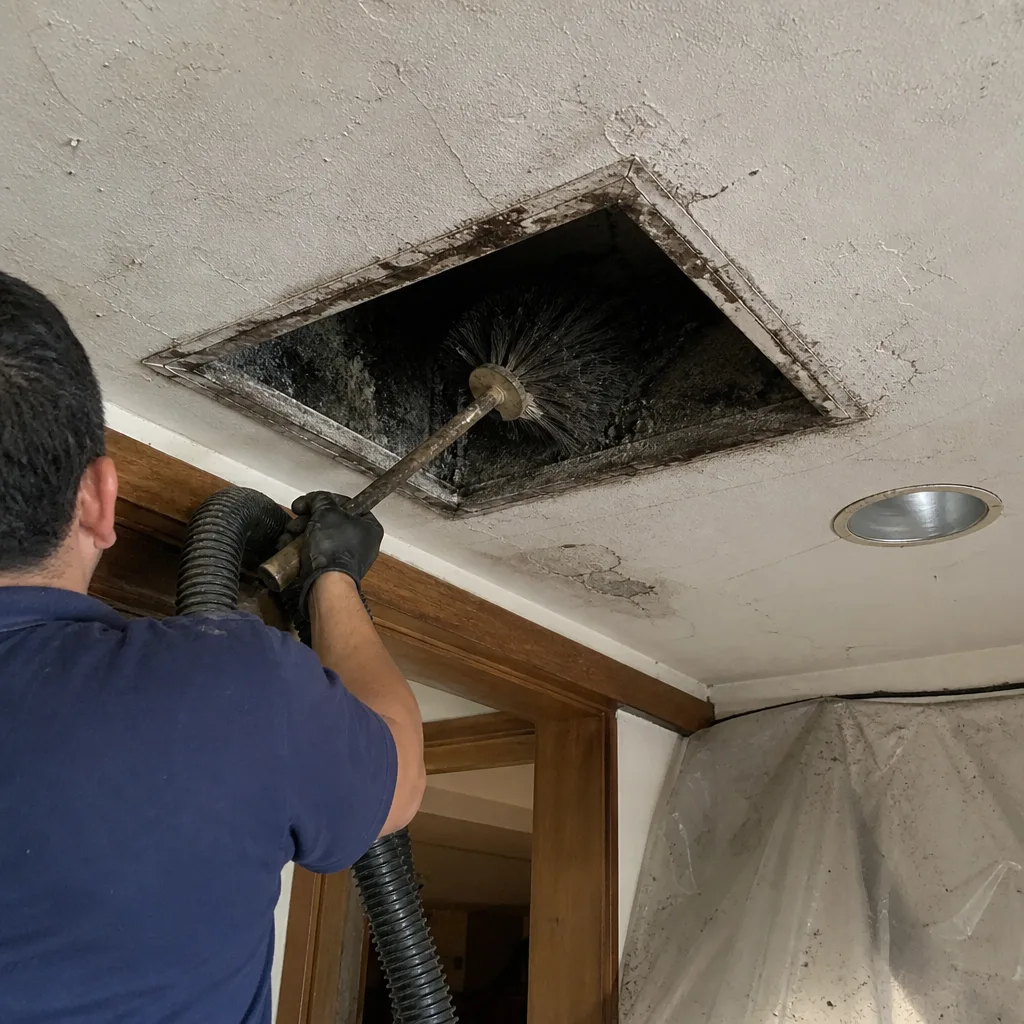 Before
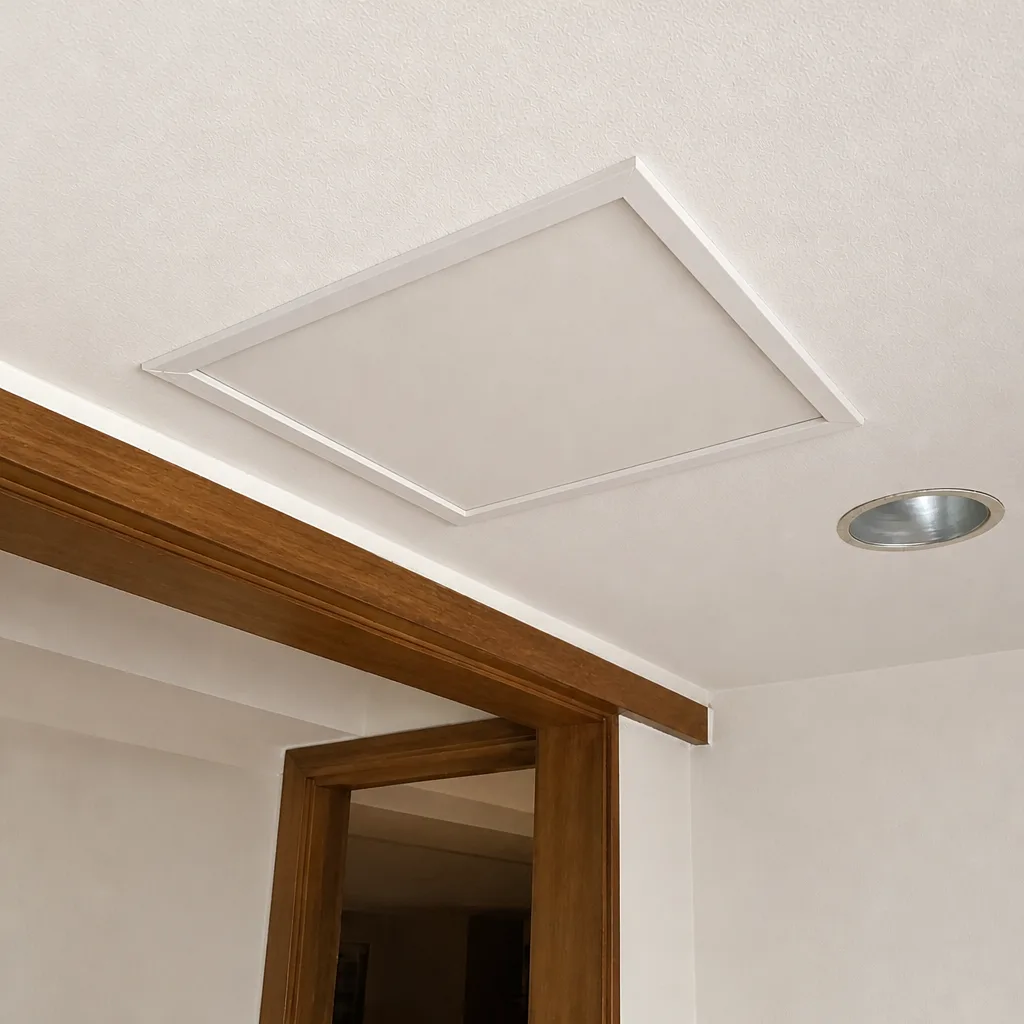 After
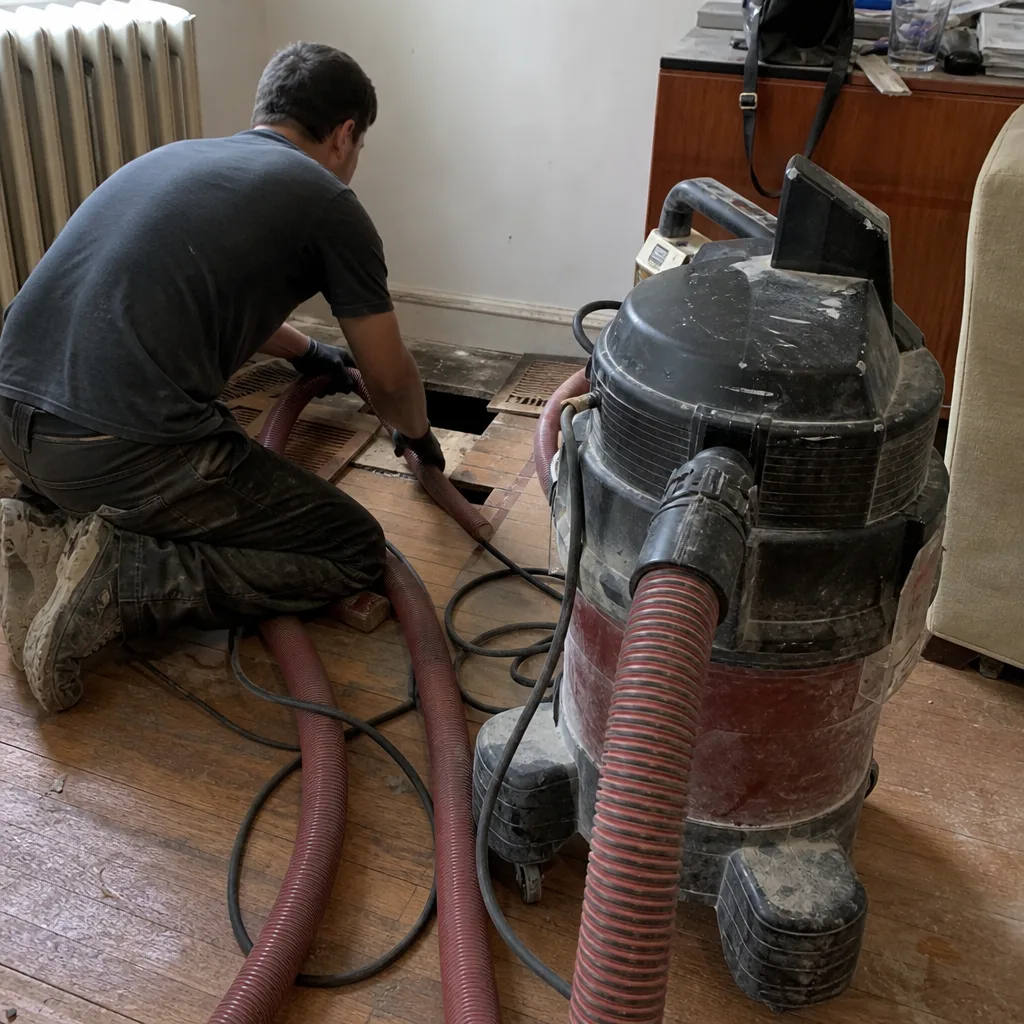 Before
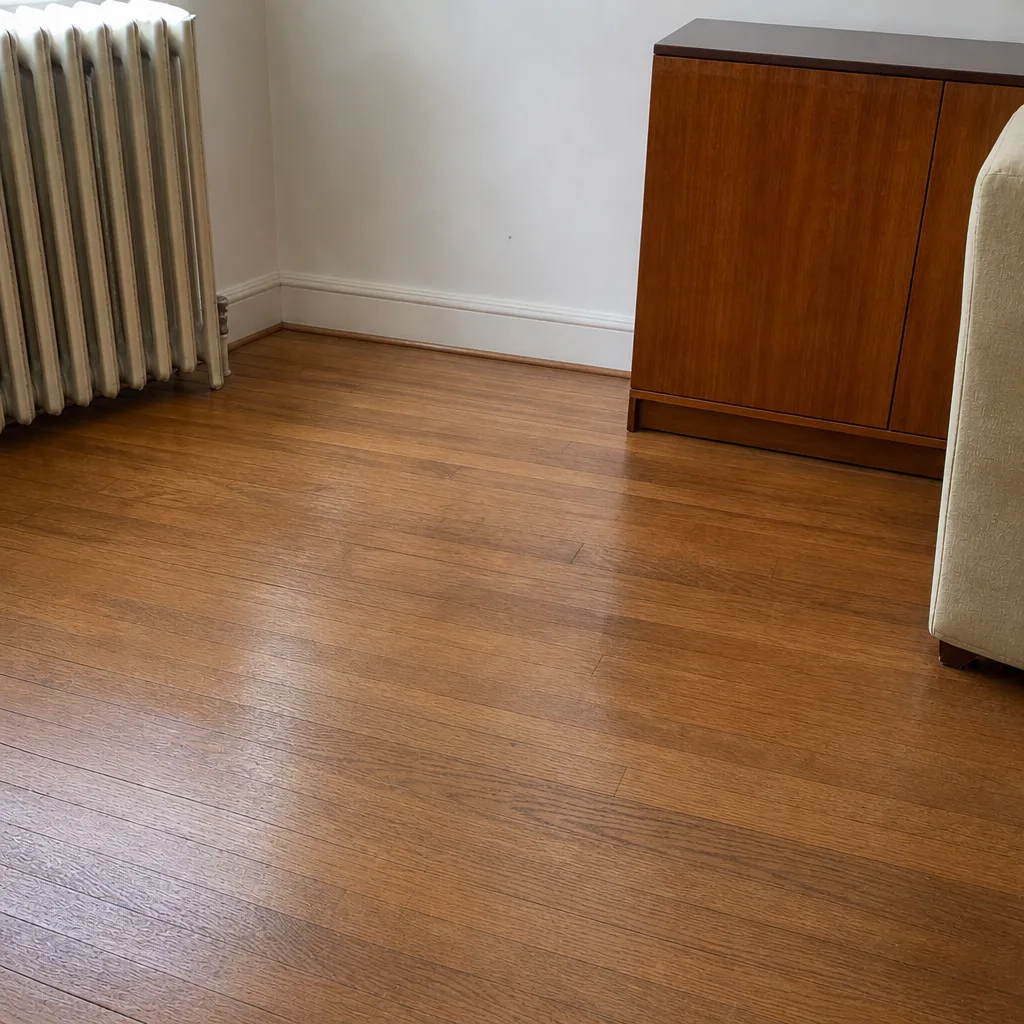 After
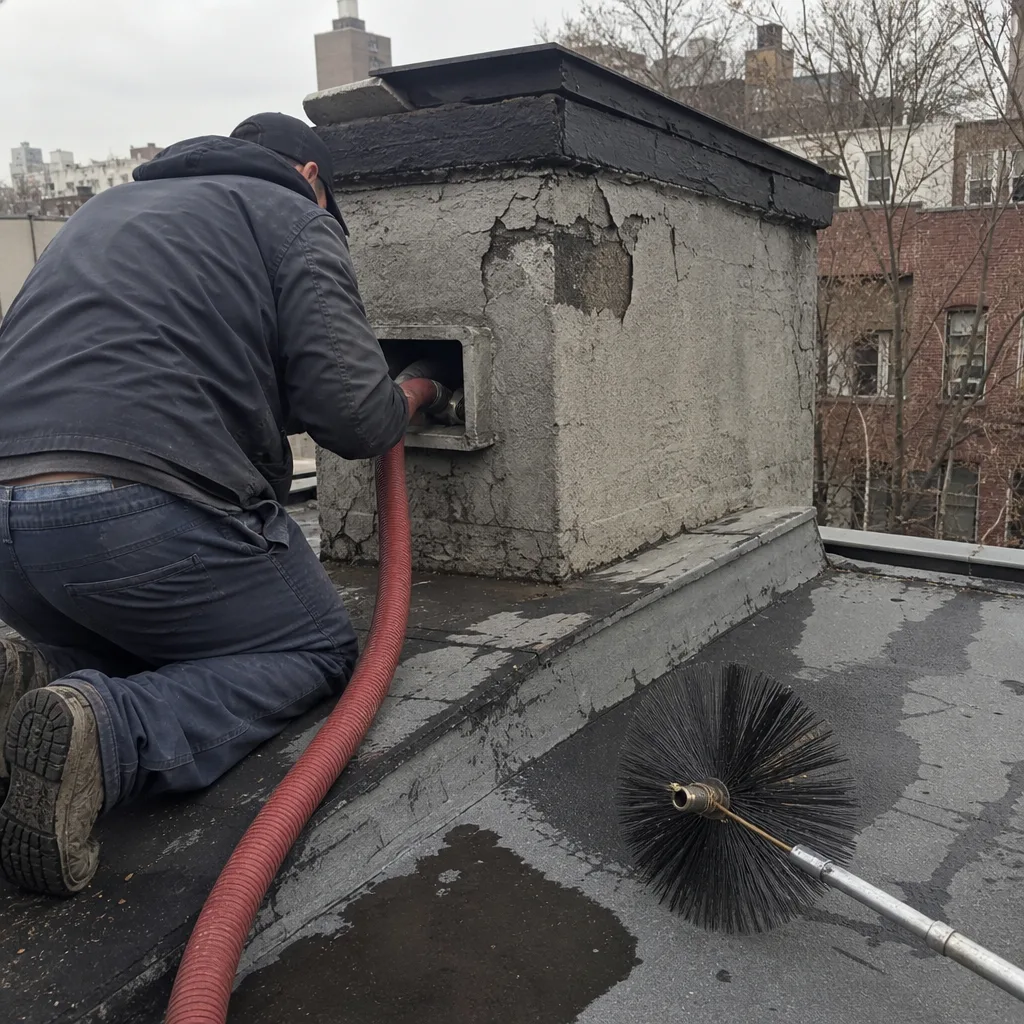 Before
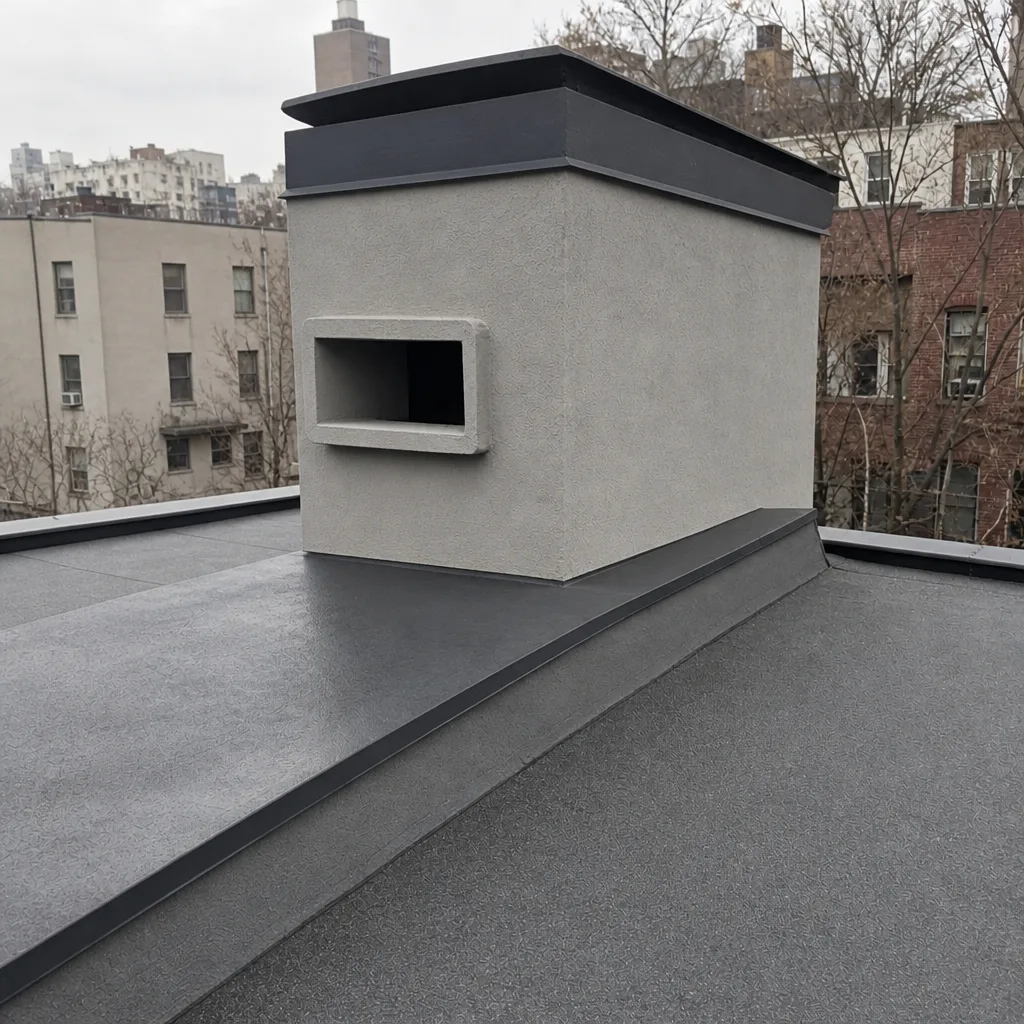 After
When to Call a Professional
Call a professional whenever a symptom points to the system rather than the room: a persistent smell that follows the heat or cooling cycle, visible dust returning within days, weak airflow at most registers, or water staining near the air handler. A recent renovation, a move into an older East Village apartment with unknown duct history, or a musty smell that started in the first cold week all justify an inspection. Duct cleaning is a scheduled job, not an emergency, so there’s time to plan the right visit rather than rush a bad one.
Air Duct Cleaning East Village offers free estimates in East Village. Call (855) 952-0316. We answer 24/7. Fast dispatch from 7am to 7pm, Sunday through Friday. The estimate is per job, in writing, with the price agreed before work starts. If you’ve found a leak or damage, we seal it on the spot where conditions allow.
Frequently Asked Questions
A full cleaning once a year, timed for the September pre-heating window, is a reasonable baseline for most East Village homes, with a spring filter change and inspection added on. If you have pets, allergies, or a recent renovation, two cleanings a year is often more appropriate. Call (855) 952-0316 for an estimate specific to your system; estimates are free.
September, because it’s the last month before the heating system first runs. A cleaning between late August and mid-September clears the summer’s accumulation before the first heat cycle can distribute it through the apartment. If you miss it, an early-October cleaning is the next best option.
Regular filter changes are essential, but they don’t replace duct cleaning. A filter captures what reaches it, so particles that settle in supply runs, behind register grilles, or along seams stay there regardless of how often you change the filter. A spring and fall filter change plus a September cleaning is a stronger plan than filters alone.
Because heat activates the settled dust, lint, and organic debris that accumulated in the ducts over summer. When the heating system first runs, warm air moves through that material and carries it into living space. A pre-heating inspection and cleaning in September removes the source before the system fires.
We use Rotobrush and Nikro professional-grade duct cleaning systems, purpose-built for residential and commercial duct work rather than consumer vacuums. For heavier contamination we use Abatement Technologies equipment that supports containment-level, negative-air work. For filtration upgrades, we supply and install Honeywell and Aprilaire whole-home products.
Yes. Duct repair and sealing is one of our native services, so when a leak or damaged section is found during cleaning, we seal it before finishing rather than scheduling a return visit or referring it out. That matters because an unsealed leak pulls new debris into the system within weeks. Call (855) 952-0316 for an estimate.
The Bottom Line
Seasonal care makes more sense than a single annual cleaning because what enters an East Village duct system changes with the calendar. Front-load your effort at two windows: September, before the first heat cycle pushes accumulated dust into living space, and spring, when pollen loads the airstream and filtration upgrades pay off. In between, keep the filter matched to the system and check the coil and dryer vent in summer. A written, per-system estimate keeps the cost predictable, and professional-grade equipment makes the results verifiable. The right schedule is specific to the building, and it’s easier to set than to guess at.
Written by the team at Air Duct Cleaning East Village.