
Last updated November 22, 2026
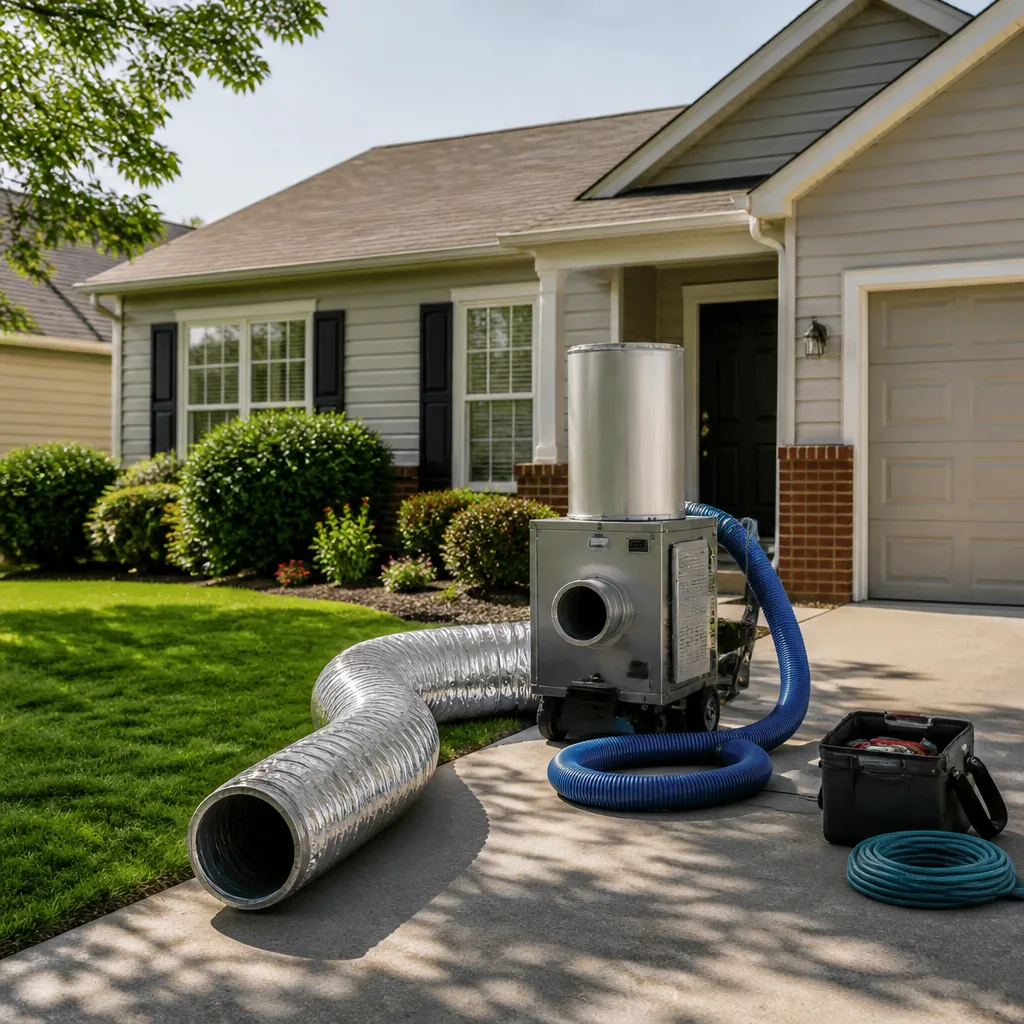 Whole-home duct cleaning
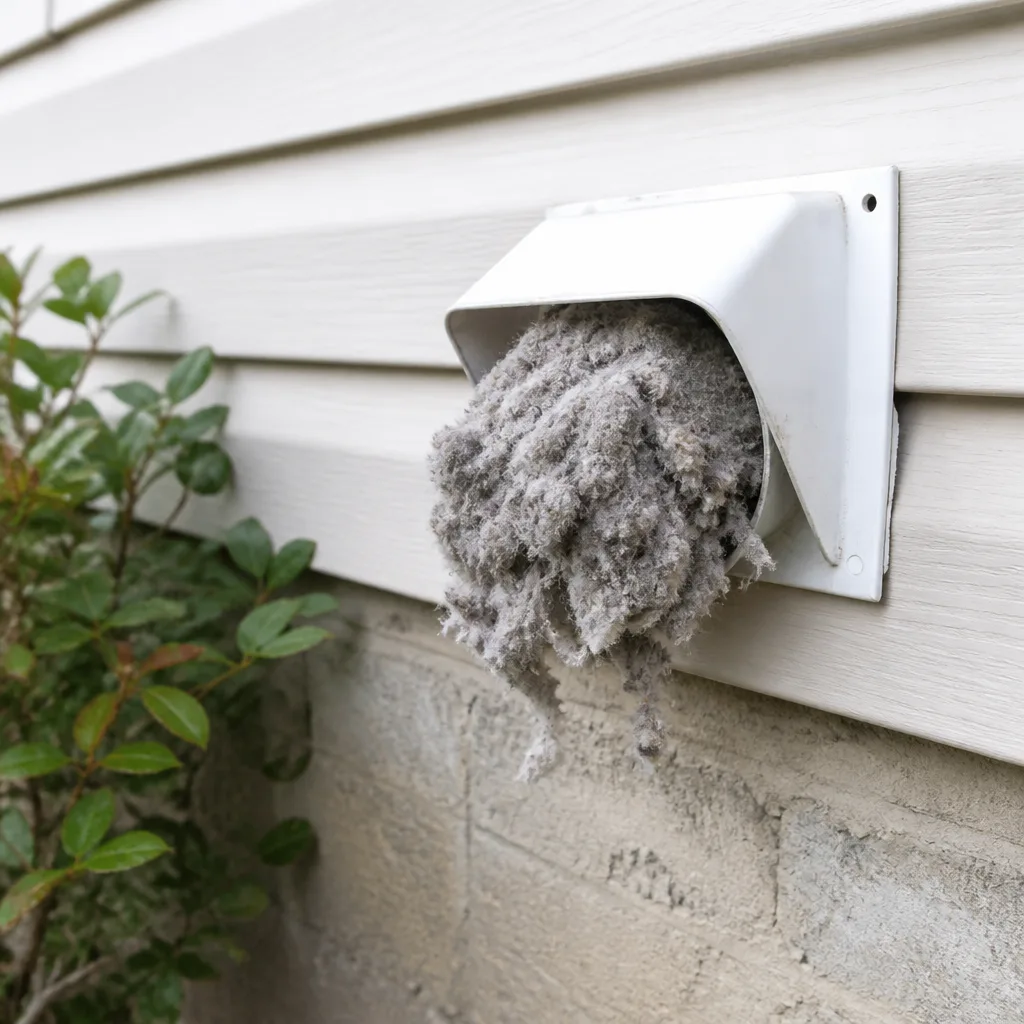 Dryer vent cleaning
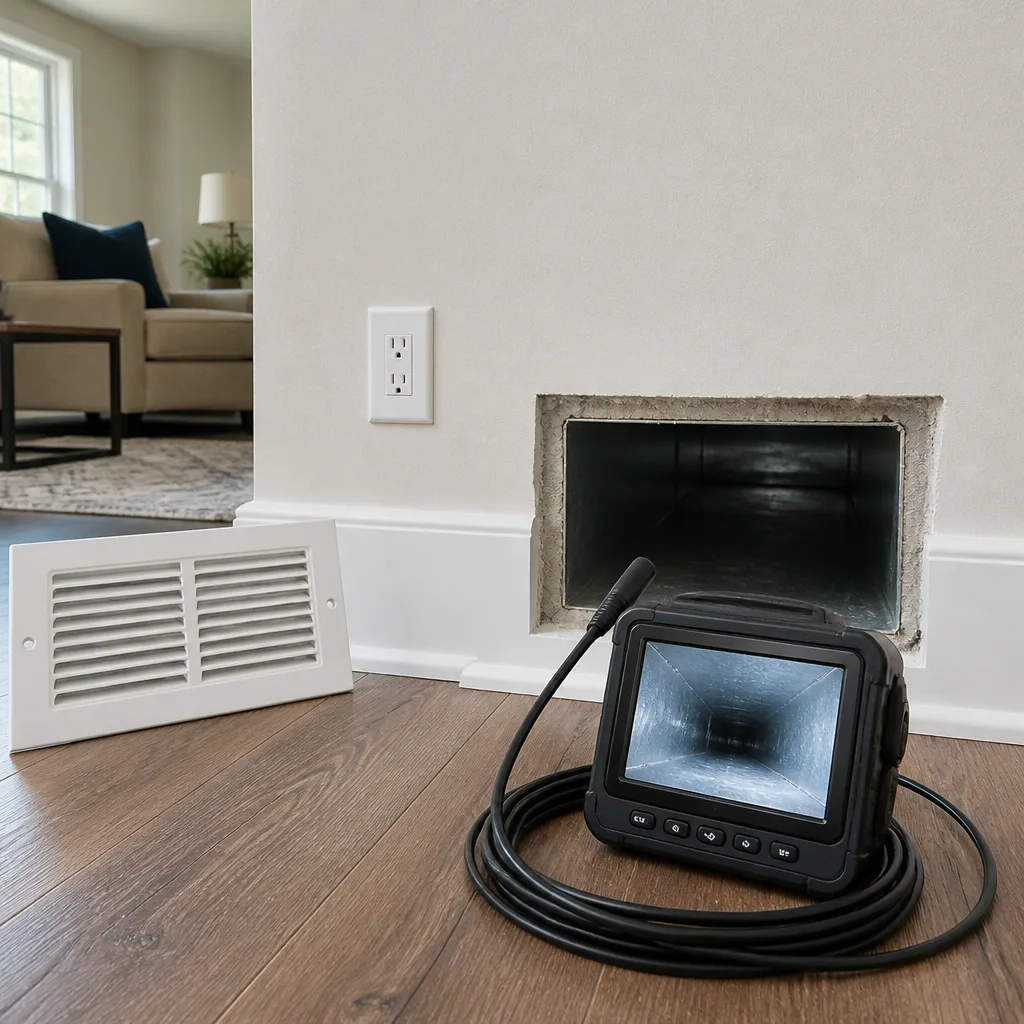 Camera inspection
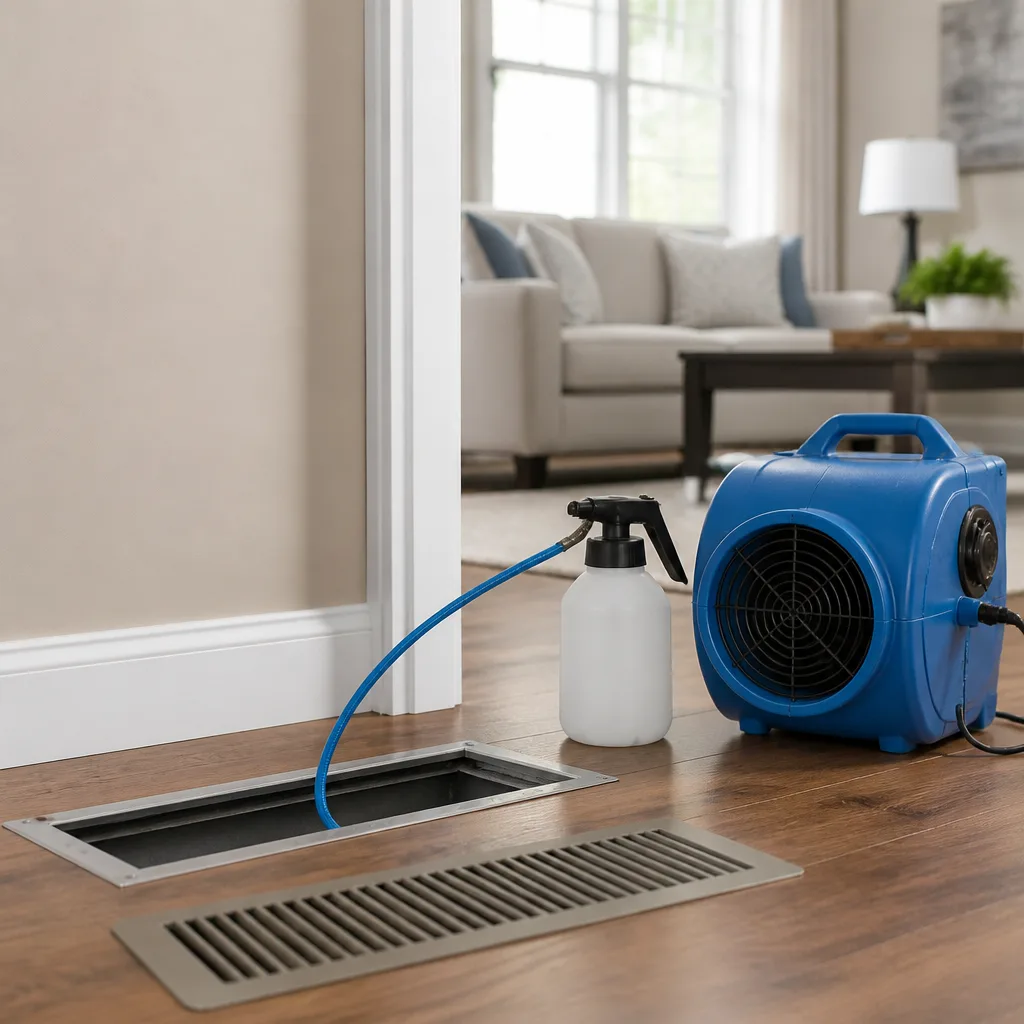 Sanitizing & deodorizing
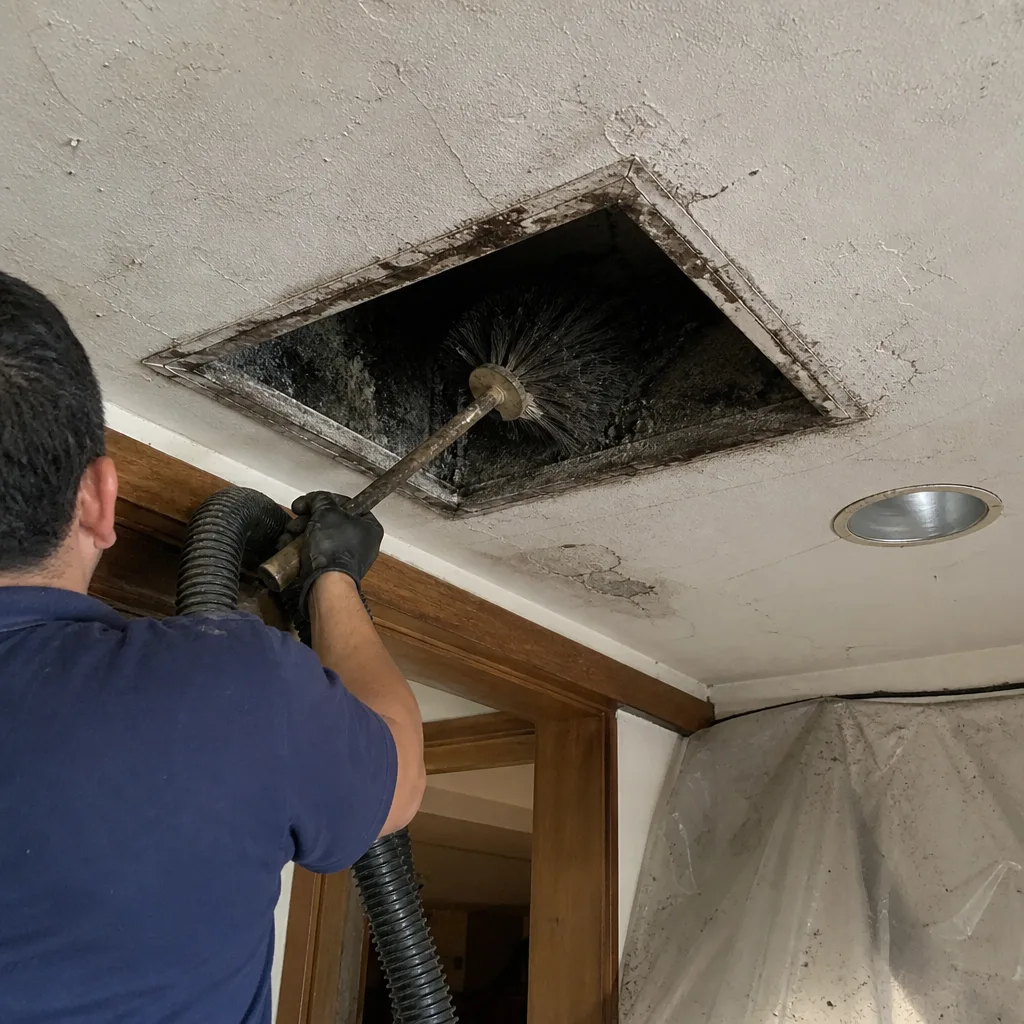
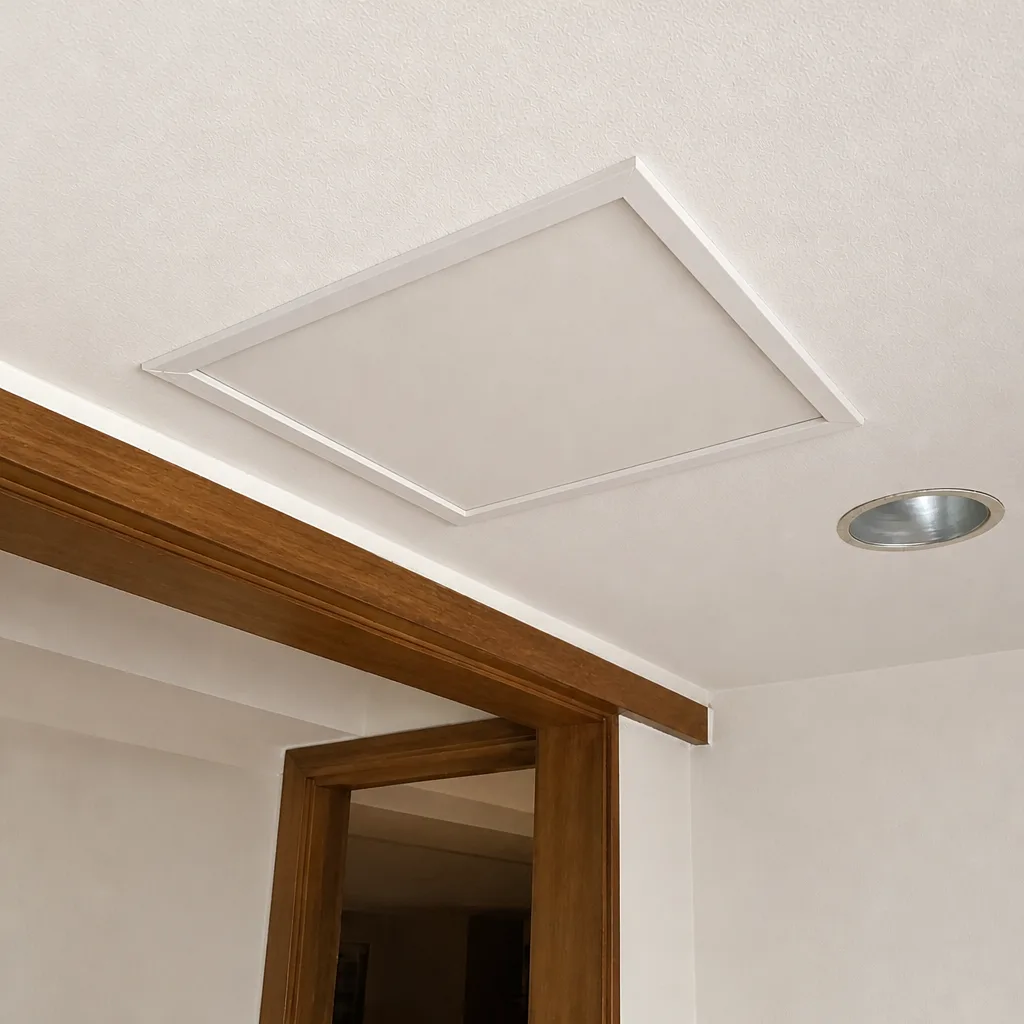
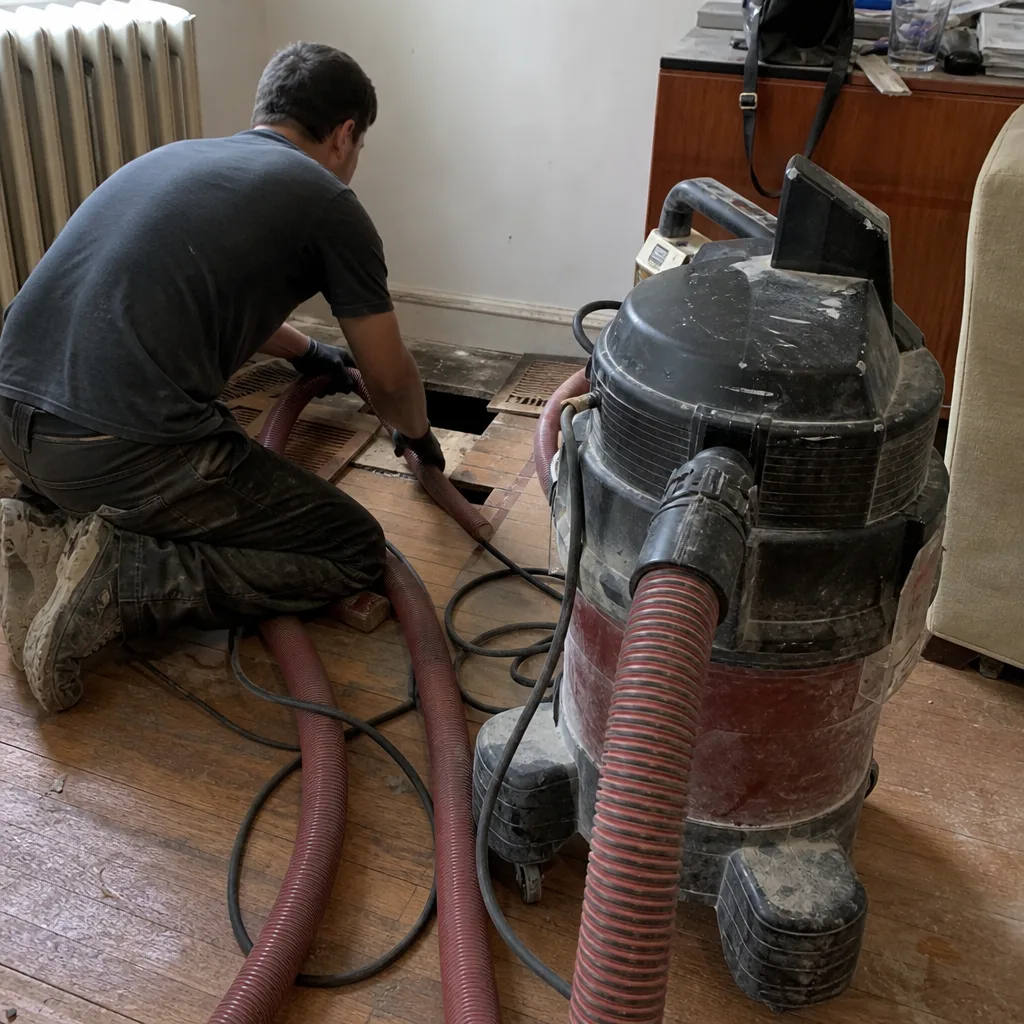
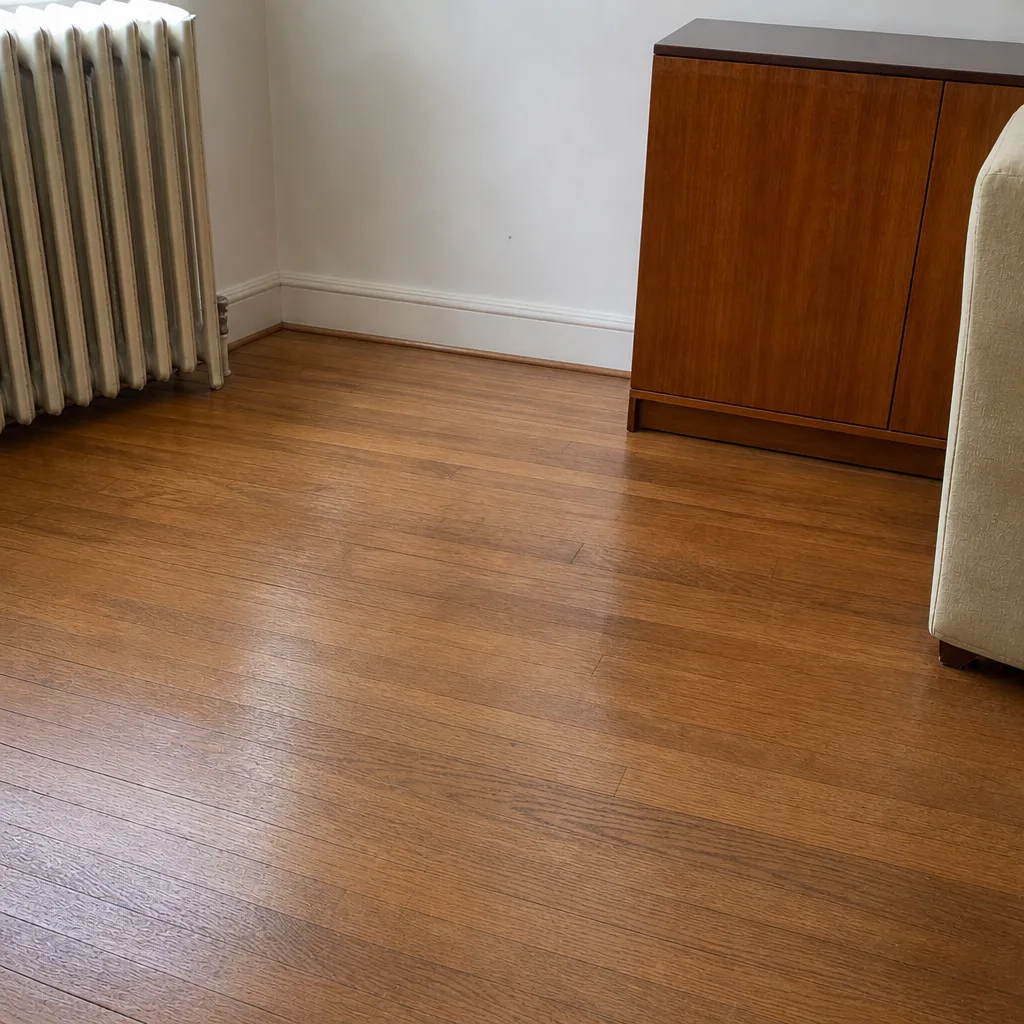
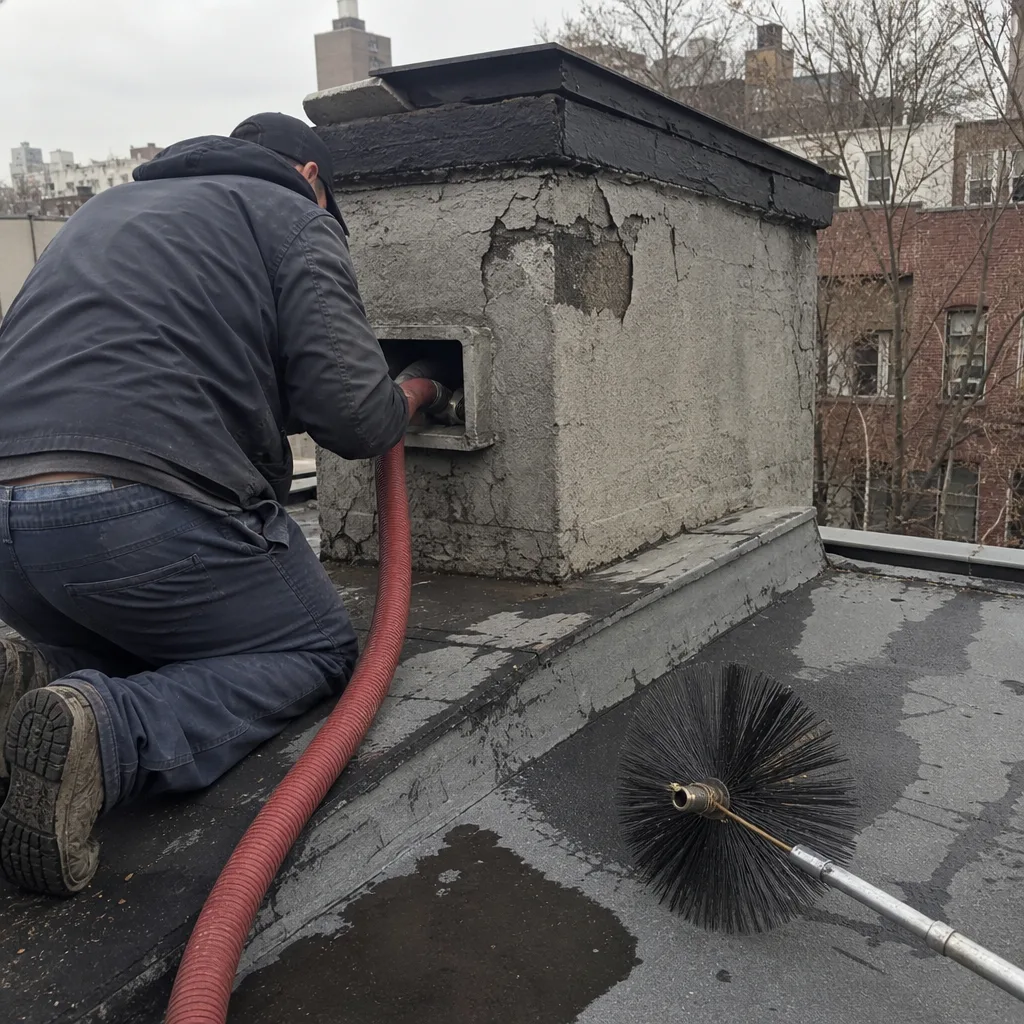
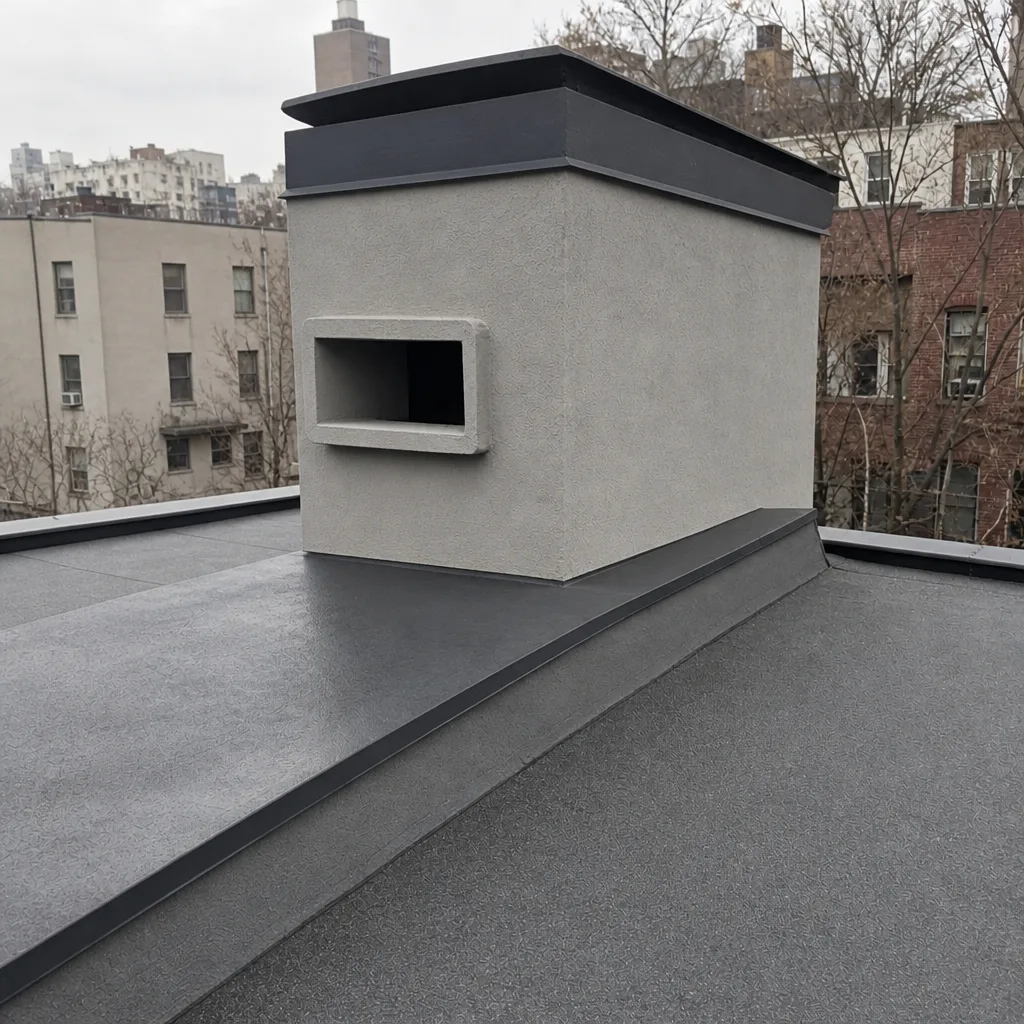
Whole-system duct and dryer vent check with before-and-after photos - you see exactly what came out of your vents
That "$99 whole-house special" is a bait ad - the real number appears once they are in your hallway, or the "clean" is a shop-vac at the register. We photograph the inside of your ducts before and after instead.
Air Duct Cleaning Maintenance Checklist for East Village Homeowners
If your neighbor on the fourth floor just finished a gut renovation, your ducts absorbed months of drywall and plaster particulate whether you opened a window or not. That’s the part most checklists miss. A maintenance routine built for a suburban house with a basement and a single return doesn’t translate to an East Village walk-up with shared risers, a through-wall AC sleeve, and a neighbor’s demolition dust drifting through a common shaft. This guide gives you a checklist built for those realities: what to look at monthly, how to log filter changes against real air quality events, how to tell when contamination from another unit is reaching your system, and when a visual check should turn into a professional cleaning.
Quick Answer
A duct maintenance routine in East Village works best as three tiers: monthly visual checks at grilles, returns, and flex connections; filter changes logged against air quality events rather than a fixed date; and a professional inspection whenever you see specific warning signs (dust streaks at registers, musty odor that returns after cleaning, or a neighboring renovation). Most East Village apartments don’t need annual cleaning, but they do need an annual look, and the buildings that skip it are the ones where small leaks and moisture problems compound quietly.
Styles & brands we work with
- Whole-home duct cleaning
- Dryer vent cleaning
- Camera inspection
- Sanitizing & deodorizing
Table of Contents
- Why East Village Duct Systems Need a Different Checklist
- The Monthly Visual Check: What to Look At
- Filter Logging: Tracking Against Air Quality Events
- Signs of Shared-Riser Contamination
- Documenting Before and After a Neighboring Renovation
- Annual Inspection Triggers: When a Check Becomes a Cleaning
- Seasonal Pollution Spikes in East Village
- Common Mistakes to Avoid
- When to Call a Professional
- Frequently Asked Questions
Why East Village Duct Systems Need a Different Checklist
East Village housing stock was mostly built before central air was a design consideration. That single fact changes everything about how you maintain a duct system here. Many apartment buildings on streets like East 4th, East 7th, and Avenue B have been through decades of renovations, and the HVAC in each unit is usually a retrofit: through-wall units, mini-split systems, or flex duct runs that someone threaded into a closet or soffit years ago. The result is a patchwork, and patches leak.
Generic checklists assume you have a furnace in the basement, a return trunk in the hallway, and a mechanical closet you can walk into. In an East Village co-op or rental, you may have a single return grille above a door, a supply grille near the ceiling, and a short flex duct connecting them to a unit mounted in a window sleeve. Those components are what you actually inspect, and they behave differently from a suburban system.
There’s also the matter of shared air. Building risers, common exhaust shafts, and party-wall penetrations mean what happens in a neighbor’s unit can affect your indoor air. A renovation two floors up can send fine dust through shafts and return paths. A musty smell in a common hallway can be a sign that moisture is sitting in a shared duct or in your own flex run. The checklist below accounts for this, because ignoring it is how East Village homeowners end up confused about why their air still smells after a cleaning.
The Monthly Visual Check: What to Look At
Most duct problems show a visible early sign before they become expensive. A monthly walk-through takes about ten minutes and doesn’t require tools. The goal is to catch changes early and to establish a record you can compare month to month.
- Look at the grille covers. Remove the supply and return grille covers if they lift off, and look at the edges where the grille meets the wall or ceiling. Dark streaks or a fine soot-like film around the perimeter point to air leaking past the seal, which pulls dust in. A grille that was clean last month and is now streaked is telling you something changed.
- Check the return air vent. In most East Village layouts the return is one grille, often above a door. Look inside with a phone light. You’re looking for visible dust buildup on the fins and for any dark or damp patches on the duct surface.
- Inspect flex duct connections. If any part of your supply run is flexible duct, look at where it connects to the register boot and to the unit. Flex duct is the most common place for a connection to work loose. A gap or a visibly sagging run is worth noting.
- Sniff near the return. A musty or stale odor near the return, not just in the room, is a sign moisture is present somewhere in the run. Odor that comes and goes with weather is worth logging.
- Watch for condensation. On humid days, check the unit and any visible duct for condensation. Damp duct insulation in a small East Village apartment rarely dries on its own.
- Note the filter condition without changing it yet. Write down what you see: color, visible dust load, and whether it looks distorted or wet. This feeds the filter log in the next section.
Keep notes in a phone app or a notebook. A date, a photo, and one line about what you saw is enough. Over a year, that log becomes the most useful document you own when you call a professional or when your building’s management asks about air quality complaints.
Filter Logging: Tracking Against Air Quality Events
A fixed calendar date is the wrong way to schedule filter changes in East Village. Air quality here fluctuates with construction on the block, seasonal pollen, heating-season dust, and whatever your building’s boiler or exhaust system is doing that month. Changing your filter every three months regardless of conditions means you’ll either change it early and waste money or run a loaded filter through the worst weeks of the year.
Log each change against what actually happened in your apartment and on your street. A simple log has five fields:
- Date installed.
- Filter type (the MERV rating and brand, if printed on the frame).
- Air quality event that occurred during the filter’s life: a renovation in the building, road work on your block, a heat wave with the AC running constantly, pollen season, or a stretch of dry, windy weather.
- Visual condition at replacement: light, moderate, or heavy dust load, plus a photo.
- Any symptoms in the household during that period: allergy flare-ups, musty smell, more frequent dusting.
After two or three cycles you’ll see your own pattern. A household in an East Village building with ongoing renovation next door may find filters load up in weeks, while a top-floor apartment with no adjacent work may go much longer. The log turns filter changes from guesswork into a schedule tied to your building. This is also where an upgraded filtration setup matters: a professional duct cleaning service in East Village can show you where a higher-efficiency filter or a whole-home air quality system makes sense for your specific unit, rather than assuming one size fits all.
Signs of Shared-Riser Contamination
In a shared East Village building, your duct system is rarely fully isolated. Risers, chaseways, and common exhaust shafts can carry dust and odor between units, especially in older buildings where penetrations were never sealed tightly. Contamination from a neighboring unit usually shows up in one of a few recognizable ways.
Watch for dust that appears only in certain rooms, especially rooms that share a wall or a shaft with a neighboring unit. Notice odor that appears when a neighbor is home and fades when they aren’t, or odor that shows up when another unit runs water or uses a bathroom exhaust. Look for fresh dust streaks around a return grille after a neighbor’s renovation began. And check whether your symptoms (sneezing, dry throat, headache) follow a pattern tied to another unit’s activity.
These signs don’t always mean full cleaning is needed. Sometimes the issue is a loose seal or a gap in a chaseway, and the fix is a repair. Duct repair and sealing as a same-visit service matters here: if a technician finds the leak during a cleaning, it can be sealed right then rather than scheduled for a second visit. We’ve seen this pattern often enough that we build it into how we quote HVAC cleaning for multi-unit buildings. A sealing fix that addresses a shared-riser leak is a different job from a cleaning, and the estimate should say which one you’re getting.
Documenting Before and After a Neighboring Renovation
Renovations are the single biggest driver of indoor air complaints in East Village buildings. Drywall dust, joint compound, sprayed foam, and demolition debris move through the air and through any shared path into neighboring units. You can’t stop a neighbor’s renovation, but you can protect your own air quality record and your own ducts by documenting carefully.
- Take dated photos before the work starts. Photograph your grilles, your return, and any visible flex duct. A date is what makes the photo useful.
- Close and seal what you can. Keep windows closed during heavy demolition days, and use a damp cloth around the edges of grilles during the worst dust periods. This is a temporary measure, not a solution, but it slows the load.
- Log the dates of visible dust events. If you see dust on your windowsills or notice odor, write down the date and a description. A simple log of events is much stronger than a general memory months later.
- Change the filter more often during the project. The filter log above makes this easy. If the filter loads fast during renovation, note it.
- Photograph after the work ends. Compare to your before photos, and if you had a professional cleaning in between, keep that record too.
- Keep the record with your lease or co-op file. If air quality becomes an issue with building management, a dated record of what you saw and when resolves far more than a complaint does.
After a heavy renovation in a building, a full air duct cleaning is often worth considering, especially if the duct run is accessible and the dust load was visible. The cleaning removes what’s already settled; the documentation tells you whether the cleaning did its job.
Annual Inspection Triggers: When a Check Becomes a Cleaning
A monthly visual check is not a substitute for a professional inspection. The question most East Village homeowners ask is when to make the jump. The answer is: when one of the specific triggers below appears, not on a fixed date.
Trigger a professional inspection if you notice any of the following:
- Visible dust deposits on the inside surfaces of your ductwork, especially if a phone light shows a thick or uneven coating.
- A musty or mold-like odor that returns within a few weeks of cleaning a grille or filter.
- Persistent dust streaks around the grille perimeter that don’t resolve after cleaning the grille itself.
- Visible moisture, condensation, or water staining on duct insulation or on the unit.
- A neighboring renovation that produced heavy visible dust, especially if your filter loaded quickly during it.
- New allergy symptoms or worsening respiratory symptoms in the household that follow a pattern tied to your ventilation.
- Any visible damage to flex duct or a connection that has come loose.
- Building-wide work on a shared riser or common exhaust system that may have moved debris.
A professional inspection should include before-and-after photos of the duct interior as evidence of condition, not just a verbal opinion. When a cleaning is warranted, we use Rotobrush and Nikro systems rather than consumer vacuums, and for higher-containment jobs we bring Abatement Technologies equipment. That distinction matters in East Village because a lot of apartments have short, tight runs where a cheap vacuum can’t reach or agitate the surfaces effectively. If the inspection also finds a leak, we can handle the seal in the same visit rather than referring it elsewhere.
Seasonal Pollution Spikes in East Village
East Village air quality has a seasonal rhythm that a generic checklist won’t capture. Heating season, which runs through the colder months, brings boiler exhaust and dust from radiator lines into the picture, especially in older buildings. The transition from heat to AC in spring is when dust that settled in the ductwork over winter gets pulled into the living space. Summer brings pollen and street-level dust from construction, and in a dense neighborhood, street activity near your block can affect the load on your filter.
The practical approach is to plan major duct work around these shifts rather than fighting them mid-season. A professional cleaning before heating season starts means you are not recirculating what built up over the summer. A filter change at the start of heating and another at the start of the AC season matches the real load, not a calendar. Duct sealing before the cold months reduces how much unconditioned air from a shaft or exterior wall enters the system.
There’s also a building-level variable: if your building’s boiler, exhaust, or common ventilation is scheduled for work, that’s a window when your own system should be checked too. If your building manager mentions boiler service or a riser repair, that’s your cue to log the date and schedule an inspection after the work is done.
Common Mistakes to Avoid
- Treating the checklist as a yearly event. Monthly checks catch problems while they’re small. A once-a-year look catches them after they’ve grown.
- Changing filters on a fixed calendar date. A fixed schedule ignores renovation dust, pollen, and heating-season load. Log against events instead.
- Ignoring odors that return after cleaning a grille. A smell that keeps coming back is telling you the source is upstream, not on the surface.
- Skipping documentation after a neighboring renovation. Dated photos and a simple log are what protect your air quality record if a building issue comes up later.
- Buying a shop vacuum to “clean the ducts.” Consumer vacuums don’t have the reach, containment, or agitation to do the job, and they can push debris further into a tight East Village duct run.
- Assuming a leak will get fixed on a second appointment. If a professional finds a leak during a cleaning, sealing it in the same visit saves time and prevents the debris from returning.
- Restarting the AC in spring without checking the filter. The first warm week is when winter dust in the ducts gets pulled into the room. Change the filter before that happens.
When to Call a Professional
Call a professional when a monthly check turns up one of the inspection triggers above, when you’ve had a neighboring renovation, when you smell a musty odor that returns, or when your filters keep loading faster than expected. If you’re a new owner or tenant in an East Village apartment and you don’t know the duct history, a first inspection is a reasonable starting point. That’s also the right time to ask whether your duct run is accessible, whether a sealing repair is needed, and whether your filtration is appropriate for the unit. Air Duct Cleaning East Village offers free estimates in East Village. Call (855) 952-0316. We answer 24/7. Fast dispatch from 7am to 7pm, Sunday through Friday.
Frequently Asked Questions
Most East Village apartments don’t need annual cleaning, but they do need an annual inspection, and cleaning is triggered by condition rather than a date. A building with ongoing renovation, visible dust deposits in the ducts, or a musty odor that returns after cleaning is a candidate for professional cleaning. Apartments with no visible issues and a clean filter log can often go longer between cleanings. Call (855) 952-0316 for an exact quote; estimates are free.
Ask for before-and-after photos of the duct interior, not just the grille. The condition of the duct surface is the evidence, and a professional inspection should show it. If a technician can’t provide photos of the inside of the run, that’s worth questioning before the work begins. Call (855) 952-0316 with questions before you book; estimates are free.
Cheap quotes often skip the equipment needed for the job. Consumer vacuums and short visits can’t reach or agitate the surfaces inside a duct the way a professional system does, and in a tight East Village run that leaves most of the dust in place. We use Rotobrush and Nikro systems, and for higher-containment work we bring Abatement Technologies equipment. The price is set per job by the written estimate, so you know what you’re getting before any work starts. Call (855) 952-0316 for an exact quote.
Yes, especially when the renovation produced visible dust in your unit. Cleaning removes settled dust; more importantly, an inspection identifies whether a shared riser or a loose connection is letting dust back in. If a leak is found, sealing it in the same visit prevents the debris from returning. Call (855) 952-0316 to discuss your situation; estimates are free.
Cleaning removes what’s already settled, while sealing addresses why it keeps coming back. If your grille is streaked or the dust returns fast after cleaning, a leak is likely, and sealing is the fix. We handle both, and if we find a leak during a cleaning we seal it in the same visit. Call (855) 952-0316 to book an inspection.
Dryer vents are a separate but important part of the same routine. Lint buildup in a vent run is a fire risk, and in a shared building it’s worth having checked even if your unit is small. We treat dryer vent cleaning as its own service, so schedule it alongside your annual duct check. Call (855) 952-0316 with any questions; estimates are free.
The Bottom Line
A useful duct maintenance checklist for East Village isn’t a calendar. It’s a short monthly visual check, a filter log tied to real air quality events, and a clear list of triggers that mean it’s time to call a professional. Document what you see around a neighboring renovation, watch for odor that returns, and don’t treat a duct cleaning as a yearly box to tick. Most of the value is in catching small leaks, loose flex connections, and early contamination before they become larger jobs. If any trigger in this guide appears, a professional inspection will tell you what you’re actually dealing with, and a written estimate will tell you what it costs. Call (855) 952-0316. We answer 24/7. Fast dispatch from 7am to 7pm, Sunday through Friday.
Written by the team at Air Duct Cleaning East Village.
See the difference
 Before
 After
 Before
 After
 Before
 After