
Last updated November 22, 2026
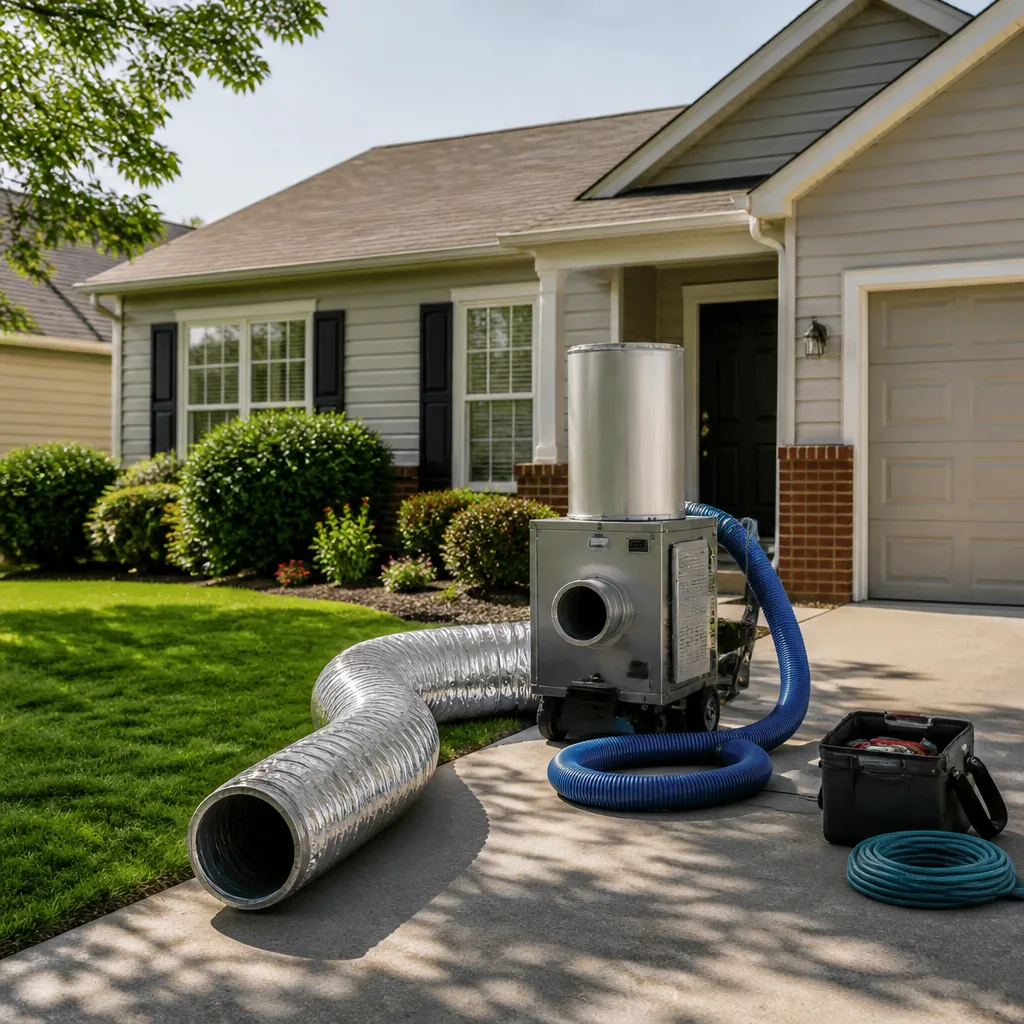 Whole-home duct cleaning
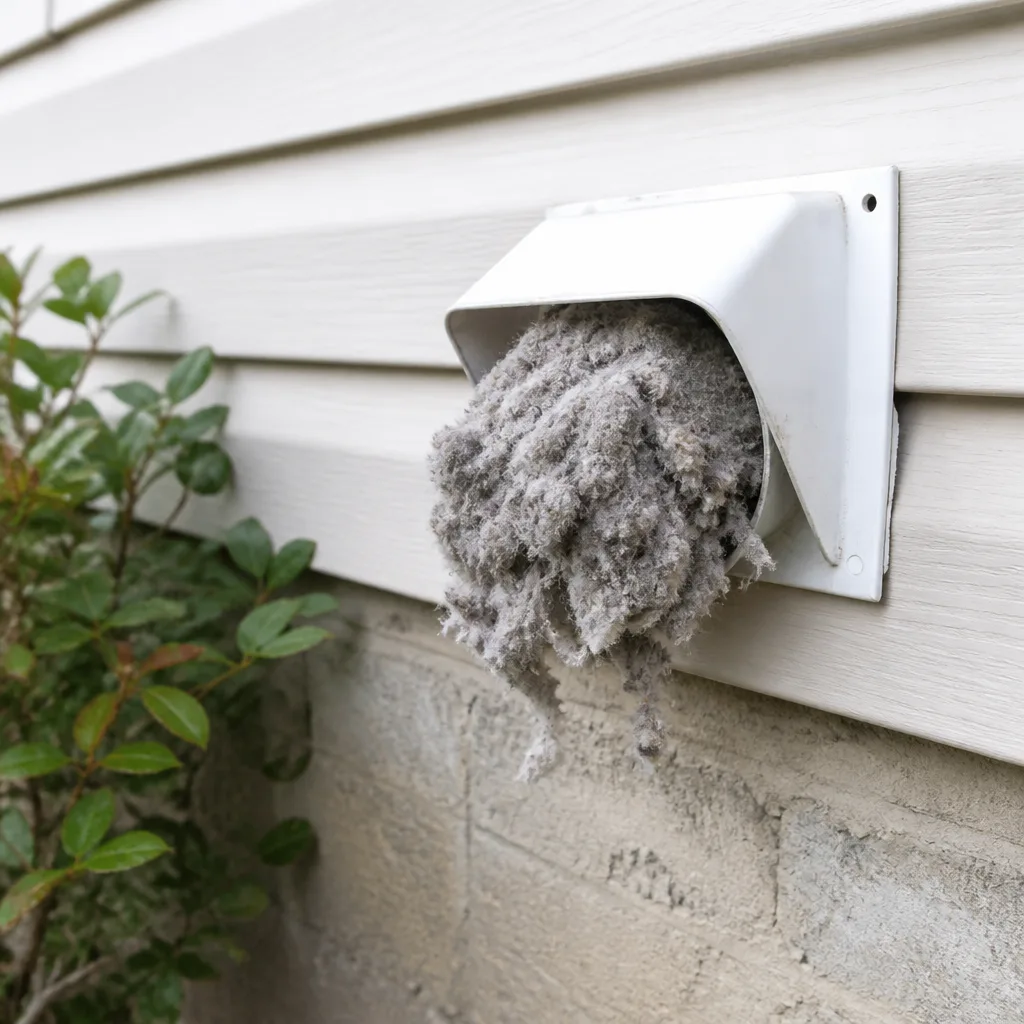 Dryer vent cleaning
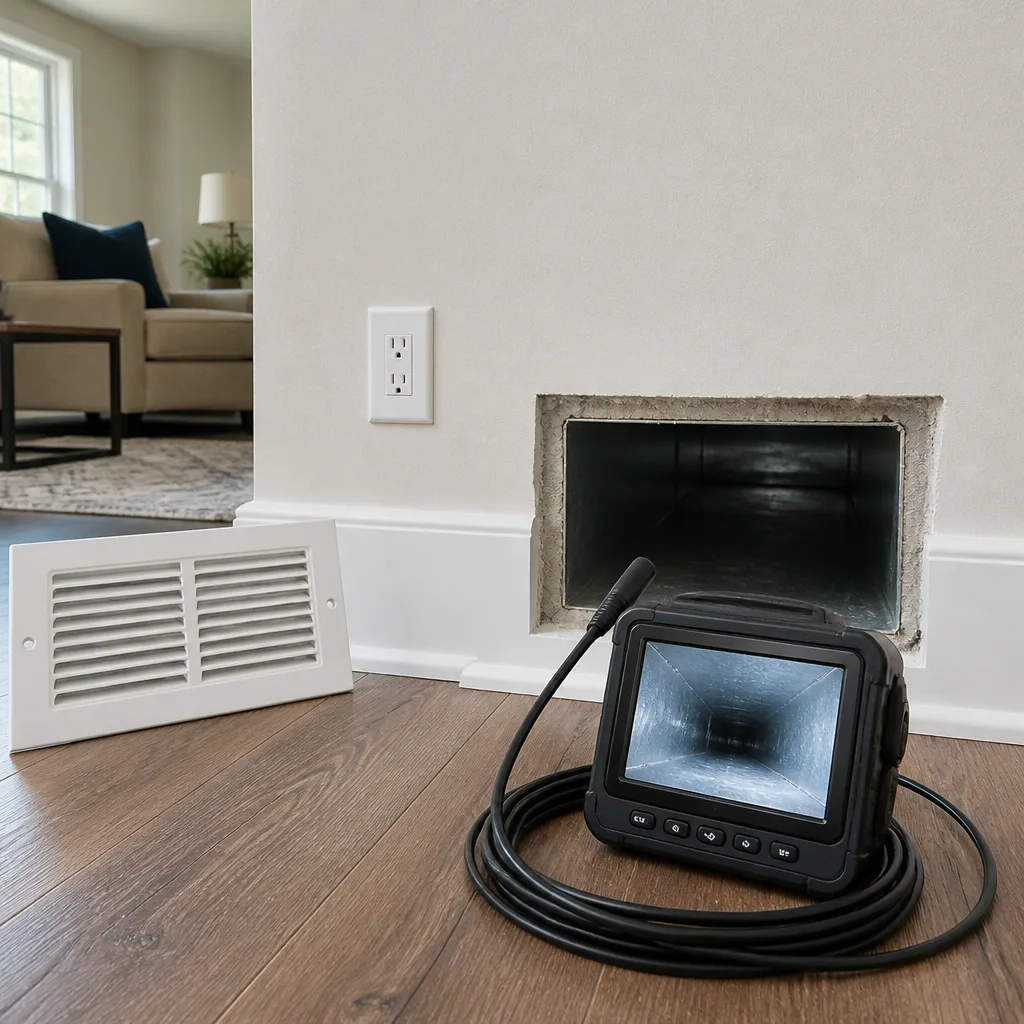 Camera inspection
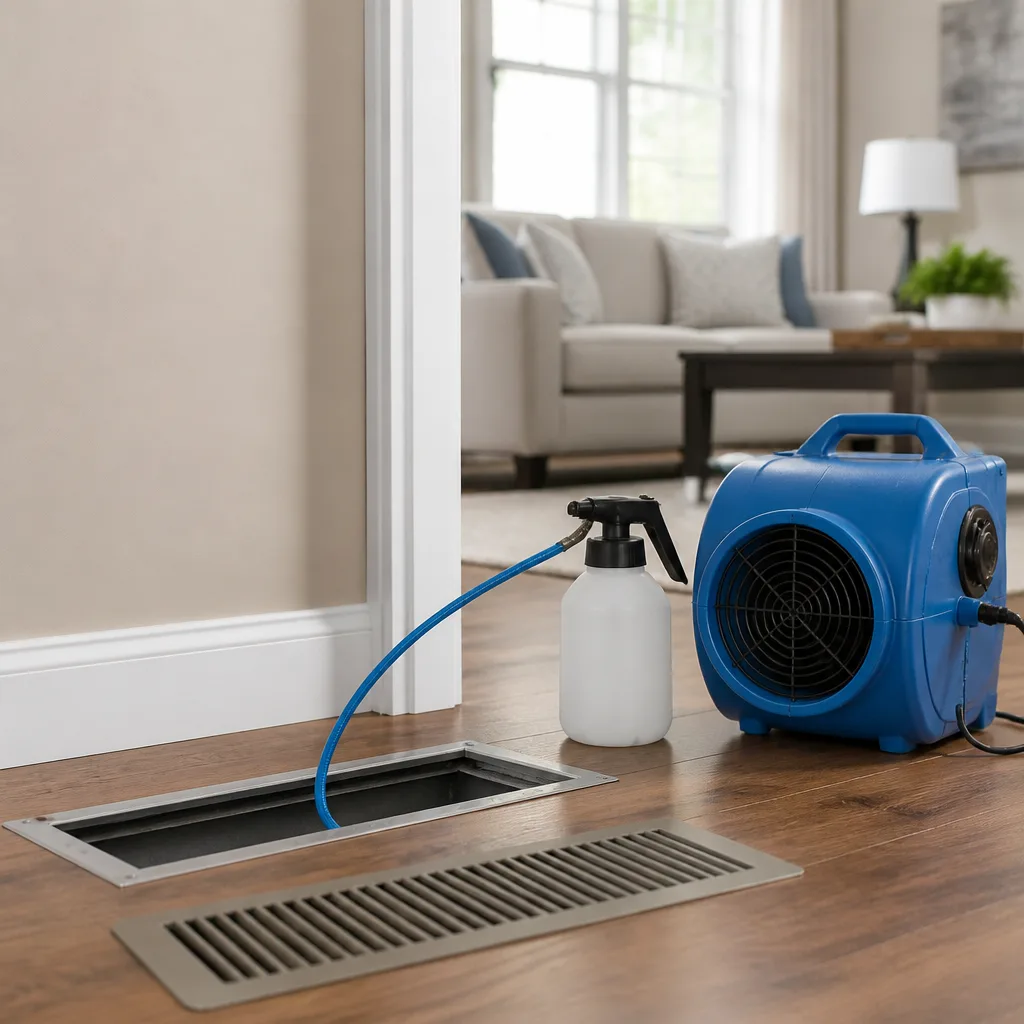 Sanitizing & deodorizing
Whole-system duct and dryer vent check with before-and-after photos - you see exactly what came out of your vents
That "$99 whole-house special" is a bait ad - the real number appears once they are in your hallway, or the "clean" is a shop-vac at the register. We photograph the inside of your ducts before and after instead.
The Complete Guide to Air Duct Cleaning in East Village
Most people assume the inside of a duct system stays fairly clean because they never see it. In East Village, the opposite tends to be true. A large share of apartments here sit in pre-war walk-ups, and those buildings pull from some of the busiest street-level air in the city. Add steam radiators, window air conditioners, and the occasional building-wide forced-air retrofit, and you get a housing stock where the ductwork asks more of a cleaning crew than a suburban ranch house ever would. This guide walks through what actually happens during a proper cleaning in East Village, what the standards are, and how building type changes who is responsible for the work.
Quick Answer
Air duct cleaning in East Village is a multi-step process: a camera inspection, negative-air containment, mechanical brush agitation, and post-cleaning verification against NADCA ACR standards. In pre-war buildings with radiator heat, there may be no duct system to clean at all, only the HVAC equipment and supply registers. A thorough job is measured by what you can verify afterward, not by how “deep” the cleaning was advertised.
Styles & brands we work with
- Whole-home duct cleaning
- Dryer vent cleaning
- Camera inspection
- Sanitizing & deodorizing
Table of Contents
- How East Village Building Types Change the Job
- Why Street-Level Pollution Accelerates Contamination
- The Full Process, Start to Finish
- Why NADCA ACR Standards Matter
- Who Is Responsible: Co-op, Condo, or Rental
- Equipment That Separates Professional Work From Vacuums
- Common Mistakes to Avoid
How East Village Building Types Change the Job
East Village is not one kind of neighborhood. Walk a few blocks and you move between tenements from the 1800s, mid-century co-ops, newer condo conversions, and row houses on the side streets. That matters for duct cleaning because the building determines what the duct system even is.
Pre-war buildings with cast-iron radiators
A building heated by steam or hot-water cast-iron radiators usually has no central forced-air system. There is no trunk line running through the walls. What you’re dealing with instead is the equipment that does move air: window air conditioners, through-wall units, and any added split or forced-air system. Cleaning in these cases focuses on the air handler, the evaporator coil, and the registers where air enters a room. We’ve seen plenty of East Village apartments where the answer to “do I need my ducts cleaned?” is honestly “you don’t have ducts.” A straight answer up front saves everyone time.
Forced-air systems and building-wide retrofits
When an East Village building does run forced air, whether it’s original or a retrofit, the ductwork becomes the real cleaning target. Older retrofits often use flex duct behind soffits, and those runs can hold years of settled dust. The branch lines feeding each apartment’s registers collect the most, and the return side usually collects more.
What changes between the two
- Radiator buildings: clean equipment and registers, skip the duct runs that don’t exist.
- Forced-air buildings: full trunk, branch, and return cleaning with agitation.
- Mixed buildings: site-specific scope, often per-unit, sometimes with a shared shaft.
- Retrofit systems: careful inspection first because flex duct damage is common.
The lesson: ask any contractor to walk the system before quoting. A flat price quoted over the phone in East Village, without seeing what’s actually installed, is a guess.
Why Street-Level Pollution Accelerates Contamination
East Village apartments are packed close to busy corridors, and in dense blocks, ground-floor and second-floor units draw outdoor particulate straight off the street. Cars, deliveries, construction dust from renovation-heavy blocks, and restaurant exhaust all sit in the air a few feet from the window.
That outdoor load doesn’t disappear. It enters through windows, doors, and the supply air, then gets pulled into return air and settles in duct runs. Suburban homes with yards and set-back driveways filter a much lighter particle load. City buildings on tight blocks don’t have that buffer.
What this looks like on the cleaning end
- Heavier dust loads in lower-floor returns than upper floors in the same building.
- More restaurant and street-level grime that clings to flex duct joints.
- Visible buildup on supply registers near street-facing windows.
- Higher debris accumulation in buildings next to ongoing renovation work.
- More frequent need for a whole-building clean, not a single unit.
Renovation dust is its own problem
East Village sees a steady stream of gut renovations and apartment combos. When a unit next door is under a full demo, dust travels through shared return shafts and penetrations. If your building is mid-project, cleaning after the renovation wraps is usually the smarter order, not before. Cleaning during construction just means doing the job twice.
A full clean once, done right, buys you years between visits. Skipping it in a high-traffic block lets the load build quietly in the walls.
The Full Process, Start to Finish
Here’s what a professional-grade duct cleaning looks like when the contractor is working to a real standard. The steps aren’t optional add-ons, they’re the difference between a real cleaning and a surface pass with a shop vacuum.
- Inspection camera walk-through. We run a camera into the trunk and branch runs to see what’s actually inside: dust depth, debris, moisture, damage, pest evidence. Nothing gets quoted or cleaned until the system is mapped.
- Scope agreement and flat price. You get one flat price for the system, agreed before any equipment goes up. No per-vent pricing, no surprise line items.
- Negative-air machine and HEPA containment. An Abatement Technologies negative-air unit pulls the space into slight negative pressure so dislodged dust goes into the filter, not into your kitchen. This is the level of containment used on remediation-grade projects.
- Mechanical brush agitation. Rotobrush and Nikro equipment run controlled brushes through the duct to knock loose the debris that has bonded to the walls. A vacuum alone doesn’t move that.
- Return and supply cleaning. Both sides of the system get attention. Returns are typically the dirtier half, especially near street-facing windows.
- Post-cleaning verification. Camera back in. Before-and-after photos of your system. That’s the record that shows what was actually pulled out.
The final step matters as much as the first. A cleaning that can’t be verified visually is a cleaning you have to take on faith.
Why NADCA ACR Standards Matter
NADCA (the National Air Duct Cleaners Association) publishes the ACR standard, the industry benchmark for how duct cleaning should be done and verified. It’s the difference between “we did a deep clean” and “we followed a defined process with photographic verification against a published standard.”
What ACR requires and why it matters in East Village
- Source removal: contaminants pulled from the system, not just blown around.
- Containment during cleaning so dust doesn’t spread into living space.
- Inspection before and after, with documentation.
- Before-and-after visual evidence, not just a verbal report.
- Cleaning of both supply and return sides plus the air handler.
East Village residents should ask any contractor to point to the standard they follow. If the answer is vague, that’s a warning sign. The company that names a standard and shows you photos is the one worth booking.
What “deep cleaning” without a standard actually means
It means whatever the contractor wants it to mean. In practice, vague language usually covers a pass with a vacuum hose and no real containment. That isn’t a cleaning, it’s a reshuffle. NADCA ACR exists precisely because this corner of the trade has a reputation problem. The standard is the benchmark, and it’s public.
Who Is Responsible: Co-op, Condo, or Rental
Whether you can book a duct cleaning on your own depends on your building and your paperwork. In East Village, the answer changes block to block.
Co-op buildings
Ducts that serve a single unit are usually the shareholder’s responsibility. Ducts that share a shaft or serve common areas belong to the building. A co-op board may also need approval before you alter or penetrate walls, and some boards will want a licensed contractor on file. Check the alteration agreement before scheduling anything invasive.
Condo buildings
Similar split, different paperwork. The condo’s bylaws and the master insurance policy usually define who owns what. If the duct is inside your unit’s walls, it’s generally yours to maintain. Anything running through common elements is a building issue.
Rental units
If you rent, ask the landlord before spending money on a system they own. In East Village, that conversation usually starts with documented evidence: photos of heavy dust on the return register, a musty smell that persists, or a maintenance complaint history. Landlords respond to documentation, not to “I think my ducts are dirty.”
What a property manager should do
- Confirm which ducts are common property and which are unit-level.
- Get a system map from a contractor before scoping the job.
- Ask for NADCA ACR compliance and before-and-after photos.
- Coordinate building-wide cleaning around any renovation schedule.
- Keep the photo records on file for the next board or owner turnover.
None of this is unusual in East Village. The paperwork is just the process. Sorting it before scheduling saves you from a partially done job.
Equipment That Separates Professional Work From Vacuums
The equipment tells you nearly everything about the job you’re about to get. Professional duct cleaning runs on purpose-built machines, and the difference between those and a shop vacuum is not marketing.
What we run, and why
Our equipment lineup is Rotobrush and Nikro, both purpose-built duct cleaning systems used by HVAC contractors. They agitate the duct wall with controlled brushes and pull the debris out under continuous vacuum. An Abatement Technologies negative-air unit handles containment. For air quality upgrades, we supply and install Honeywell and Aprilaire products, and a Guardsman filtration setup where the system calls for it. The point isn’t the brand names. The point is that the equipment exists for this specific work, and the job runs on the right tools.
What a shop vacuum actually does
- Pulls only what it can reach at the nearest open register.
- Stirs up dust in the process with no containment.
- Can’t agitate debris bonded to the duct wall.
- Leaves no verifiable record behind.
When cleaning is done with professional equipment, the debris pulled from the system is visible, and the before-and-after photos show it. That’s the honest answer to “how do I know the work was actually done?” You look at what came out of your ducts.
Equipment also sets what’s possible in the same visit. If a leak or a damaged joint turns up during cleaning, we seal it before we leave. That’s the Duct Repair & Sealing side of the work, not a referral out to another contractor.
Common Mistakes to Avoid
- Booking a per-vent price without seeing the system. A per-vent quote tells you nothing about whether the trunk, returns, or air handler are included. Agree to one flat price per system before work starts.
- Accepting “deep clean” without a standard. If the contractor can’t name NADCA ACR or a comparable process, you’re paying for a phrase. Ask for the standard and the verification method in writing.
- Cleaning during a renovation. In an East Village building mid-gut, dust is still in the air. Cleaning before the project ends means doing the work twice.
- Assuming a radiator apartment has ducts. Pre-war buildings with cast-iron radiators may need equipment and register cleaning, not a duct clean. Ask the contractor to inspect first.
- Skipping the return side. Returns usually carry a heavier load than supply runs, especially on lower floors facing busy blocks. A job that only touches the supplies is a partial job.
- Renting and booking without landlord sign-off. Get written approval before you spend money on a system you don’t own, and document the problem with photos.
- Paying for a clean without before-and-after photos. If the contractor can’t show you what the ducts looked like before and after, the cleaning isn’t verifiable. Photos are the deliverable, along with cleaner air.
See the difference
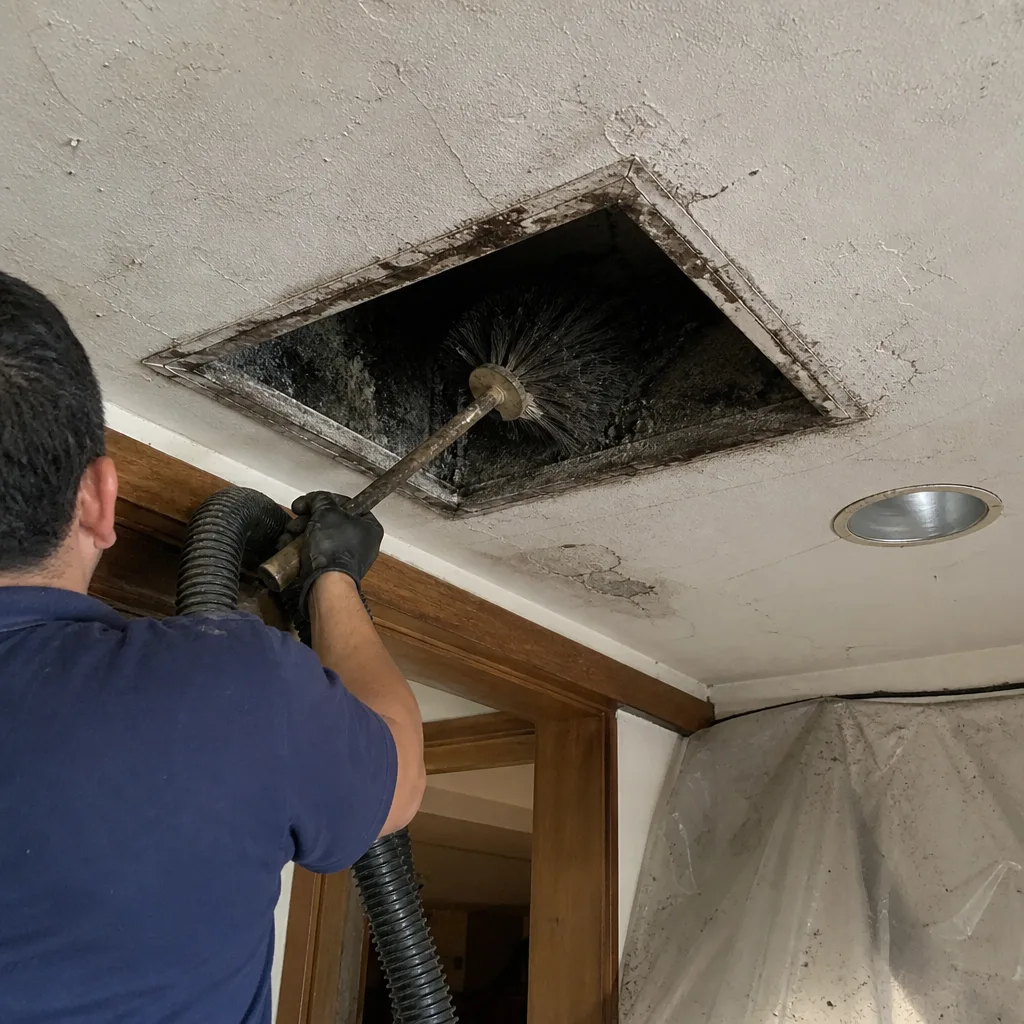 Before
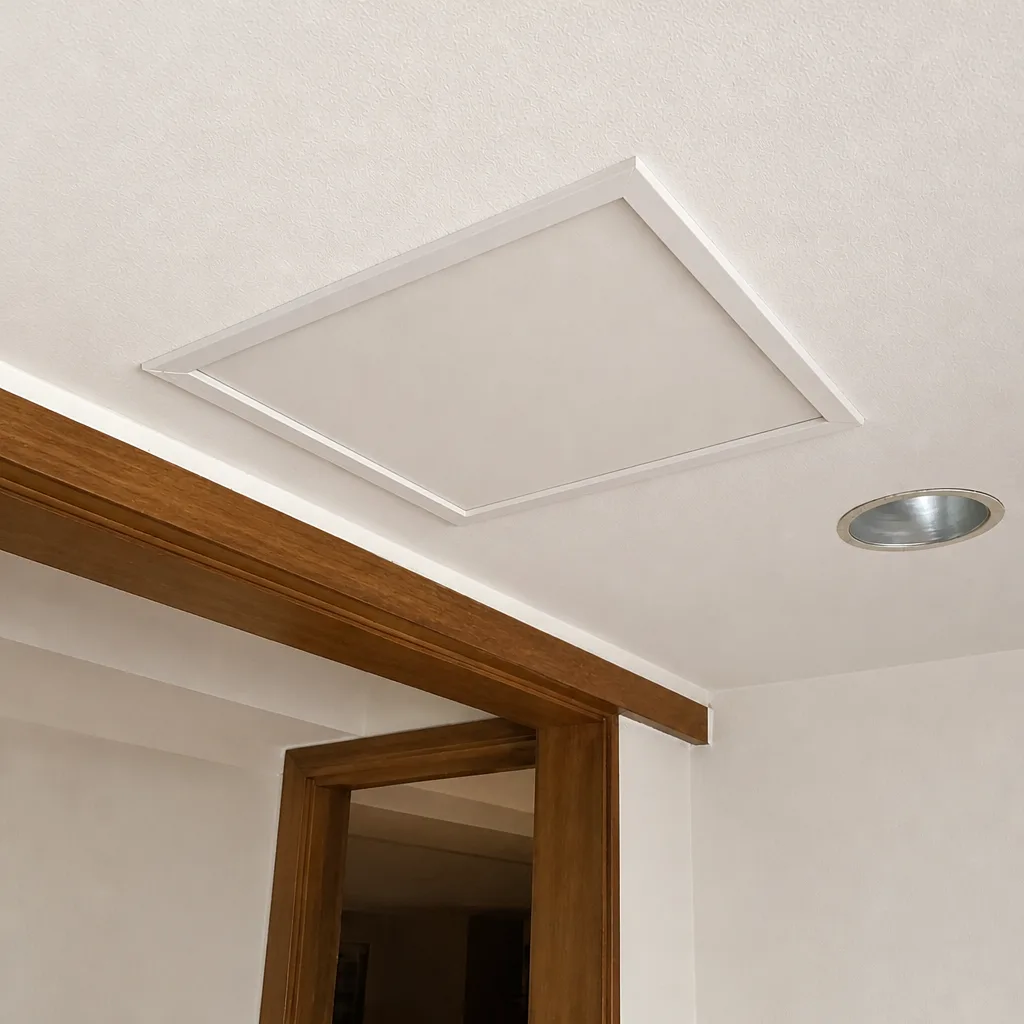 After
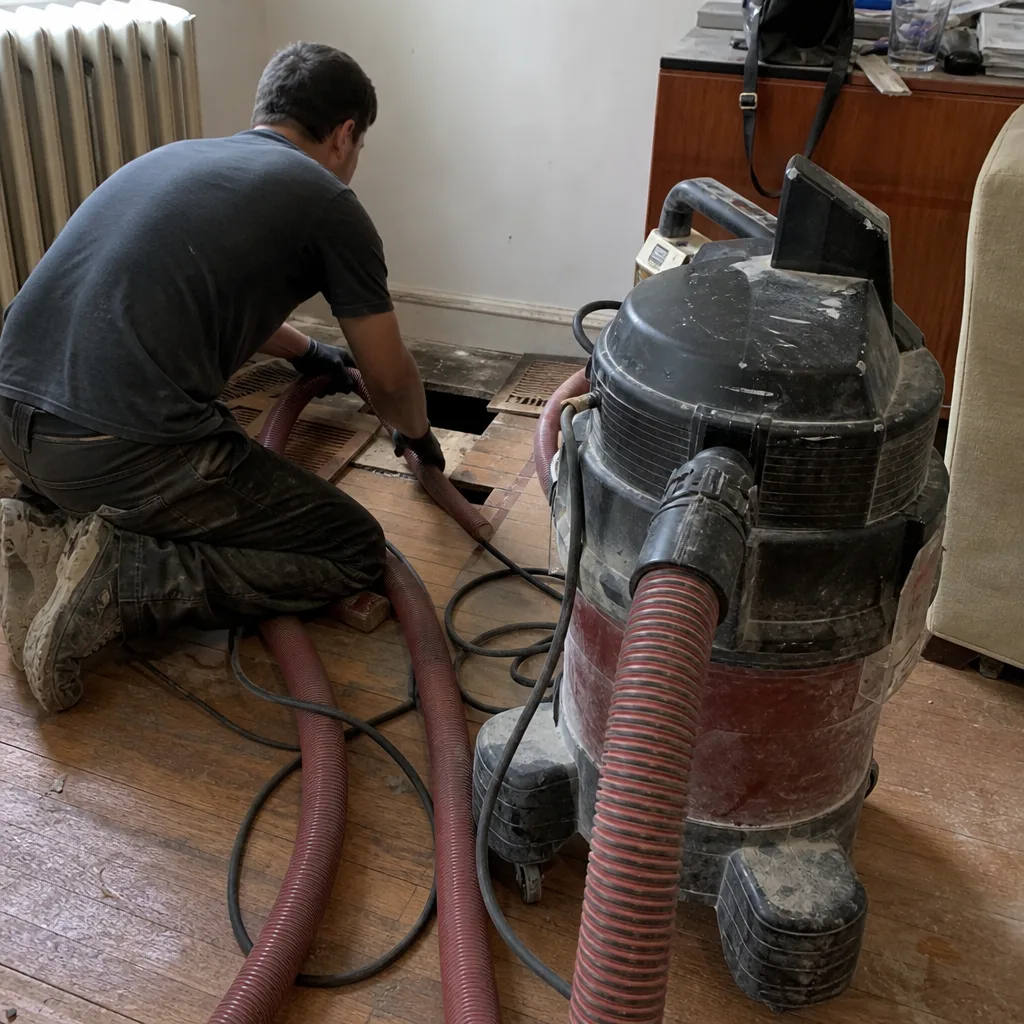 Before
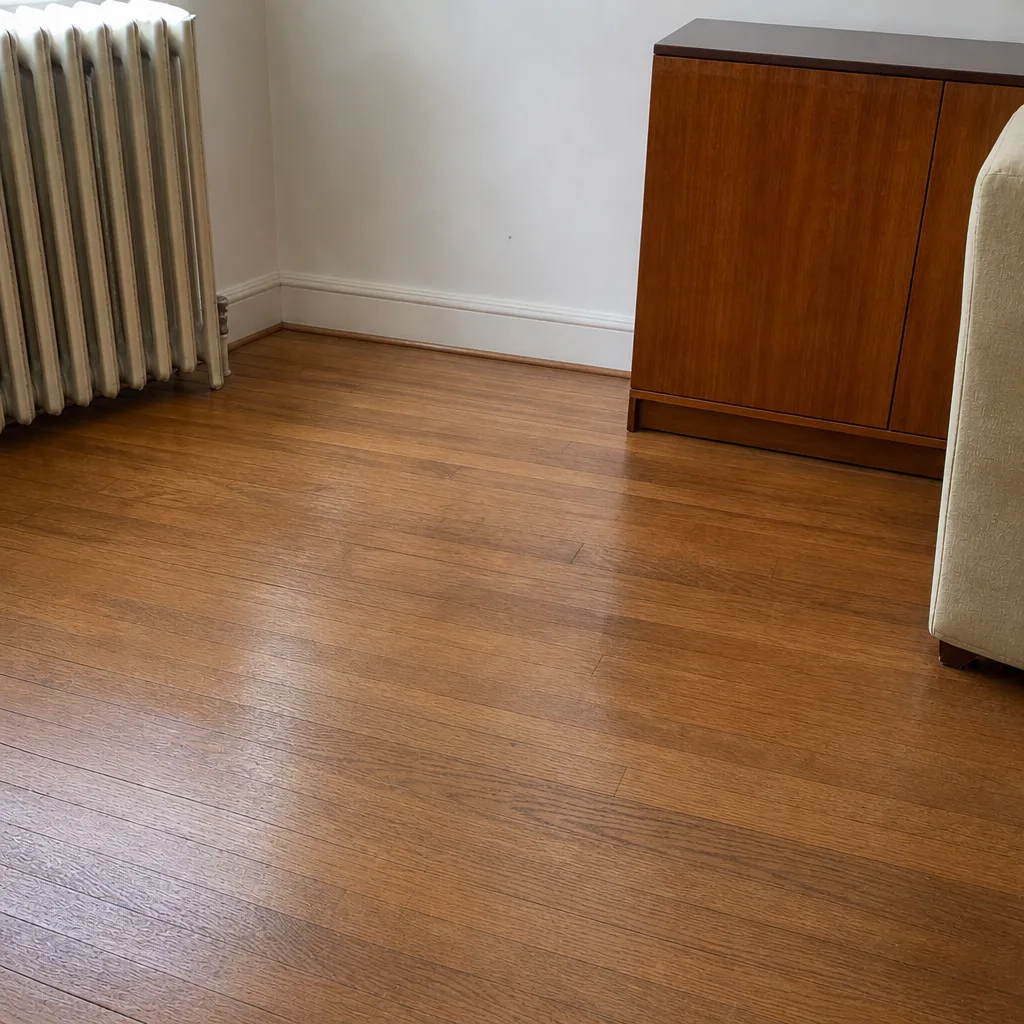 After
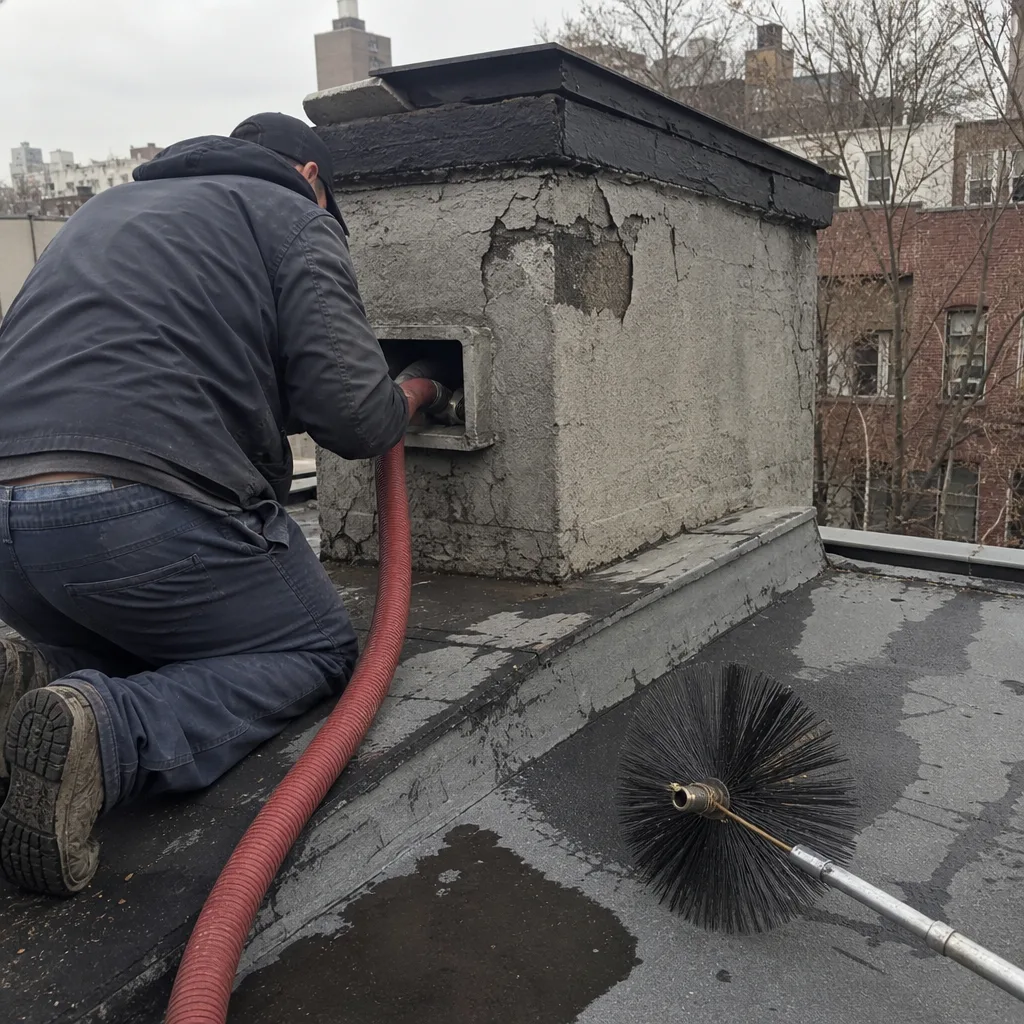 Before
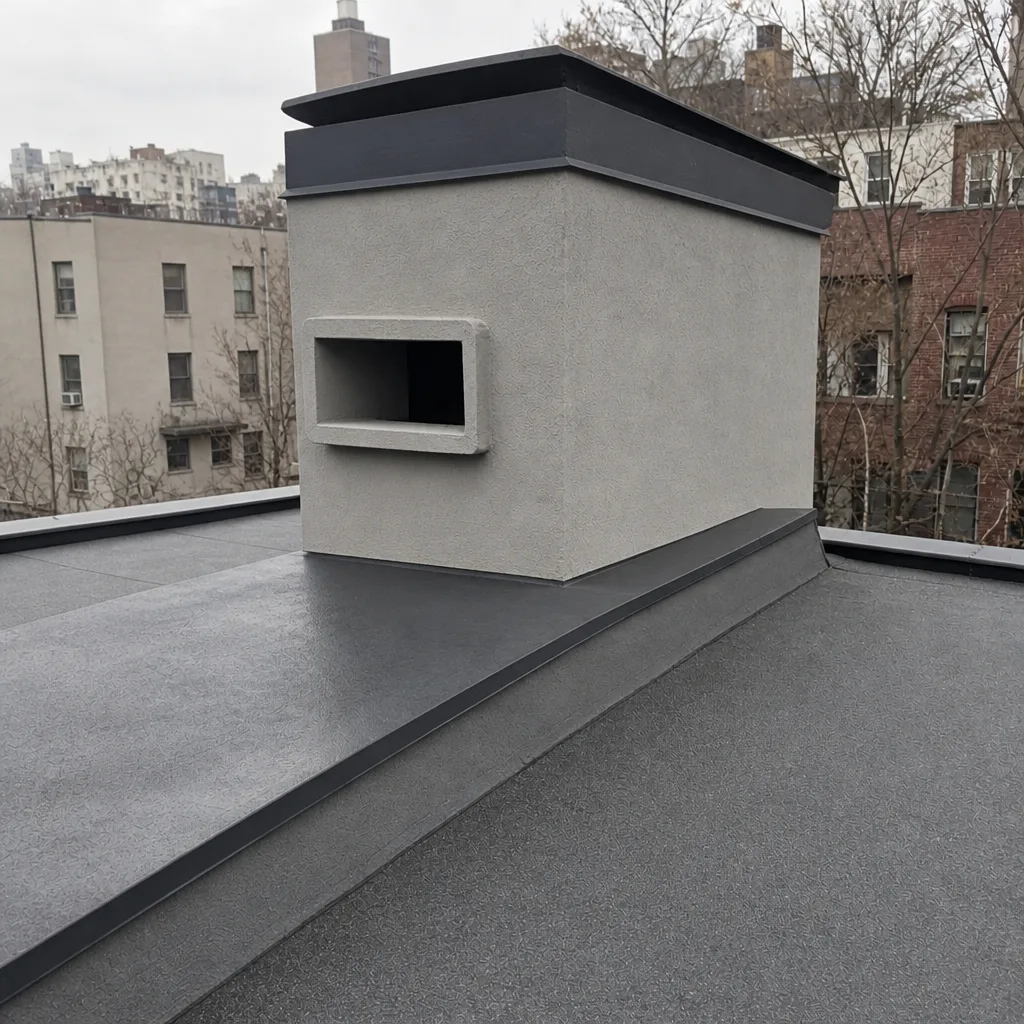 After
When to Call a Professional
Call a professional when you see visible dust blowing from the registers the moment your system switches on, when a musty smell lingers after cleaning the room, or when a renovation just finished in a neighboring unit. Those are the triggers that justify a full inspection.
Call sooner if you live in an East Village building with forced air and a shared return shaft, because contamination moves through common returns faster than through a unit-level system. If your property manager is asking for documentation, a camera inspection and before-and-after photos satisfy that request in one visit.
Air Duct Cleaning East Village offers free estimates in East Village. Call (855) 952-0316 to book a walk-through, or to get an honest answer about whether your building even needs duct cleaning. We answer 24/7. Fast dispatch from 7am to 7pm, Sunday through Friday. The estimate is free, and the price is set per job by the written estimate before work begins. The local pro is licensed and insured as their state requires, and you’ll have photos of your own system before and after.
If duct cleaning is only one piece of what you need, we also handle dryer vent cleaning and the full HVAC cleaning side of the system in the same visit. If leaks turn up during the inspection, we seal them before we leave, and for longer-term air quality the answer might be a Honeywell or Aprilaire filtration upgrade rather than another cleaning pass. The air duct cleaning page covers the pricing ranges and what the different scopes include, and the Air Duct Cleaning East Village hub is the place to start if you’re deciding between services.
Frequently Asked Questions
Most residential jobs in East Village fall in a range set by the size of the system, the number of runs, and whether the returns need full attention. A small forced-air apartment sits at the low end; a multi-run co-op or a building-wide job sits higher. You get one flat price per system, agreed in writing before work starts, with no per-vent pricing. Call (855) 952-0316 for an exact quote. Estimates are free.
Cheap quotes usually leave out containment, mechanical agitation, the return side, or the post-cleaning verification. A shop vacuum and a hose look like a duct cleaning on paper, but the work is a surface pass. Ask any contractor to name the standard they follow and show you before-and-after photos of your own system. Call (855) 952-0316 if you want a scope comparison. Estimates are free.
You get before-and-after photos of your own ducts, plus a camera verification after cleaning. That’s the record. If a contractor can’t produce that, you’re paying for a claim rather than a result. We standardize this on every job, and it’s the single most useful thing to ask for in East Village, where the trust bar is higher. Call (855) 952-0316 to book. Estimates are free.
Once every few years is a reasonable baseline for most homes, and East Village apartments near heavy street traffic or renovation activity often need it on the upper end of that range. Radiator-heated pre-war buildings need equipment and register cleaning rather than duct work, and the interval on that depends on the unit. Get an inspection before you decide. Call (855) 952-0316 to schedule one. Estimates are free.
Probably not in the way you’re picturing. If there’s no forced-air system, there are no ducts to clean. What we clean instead is the equipment that moves air (window units, through-wall units, split systems) and the registers. An inspection camera walk-through tells you exactly what’s installed and what’s worth cleaning. Call (855) 952-0316 for a walk-through. Estimates are free.
Yes. Duct Repair & Sealing is part of the work here, so when a joint, seam, or damaged flex run turns up during cleaning, we seal or repair it before we leave. You don’t need a second contractor for that piece. Call (855) 952-0316 and describe the problem. Estimates are free.
The Bottom Line
Air duct cleaning in East Village isn’t a generic service. The building type determines what the system is, street-level pollution determines how fast it loads up, and the standard followed determines whether the job is real. Insist on a camera inspection first, one flat price per system, negative-air containment, mechanical brush agitation, and before-and-after photos you can verify. If your building is mid-renovation, clean after the work ends, not during. If you rent, get the landlord’s sign-off. If your building runs on radiators, ask for equipment and register cleaning rather than a duct clean. That’s the honest scope, and it’s what we deliver. Call (855) 952-0316 for a free estimate. We answer 24/7. Fast dispatch from 7am to 7pm, Sunday through Friday.
Written by the team at Air Duct Cleaning East Village.