
Last updated November 22, 2026
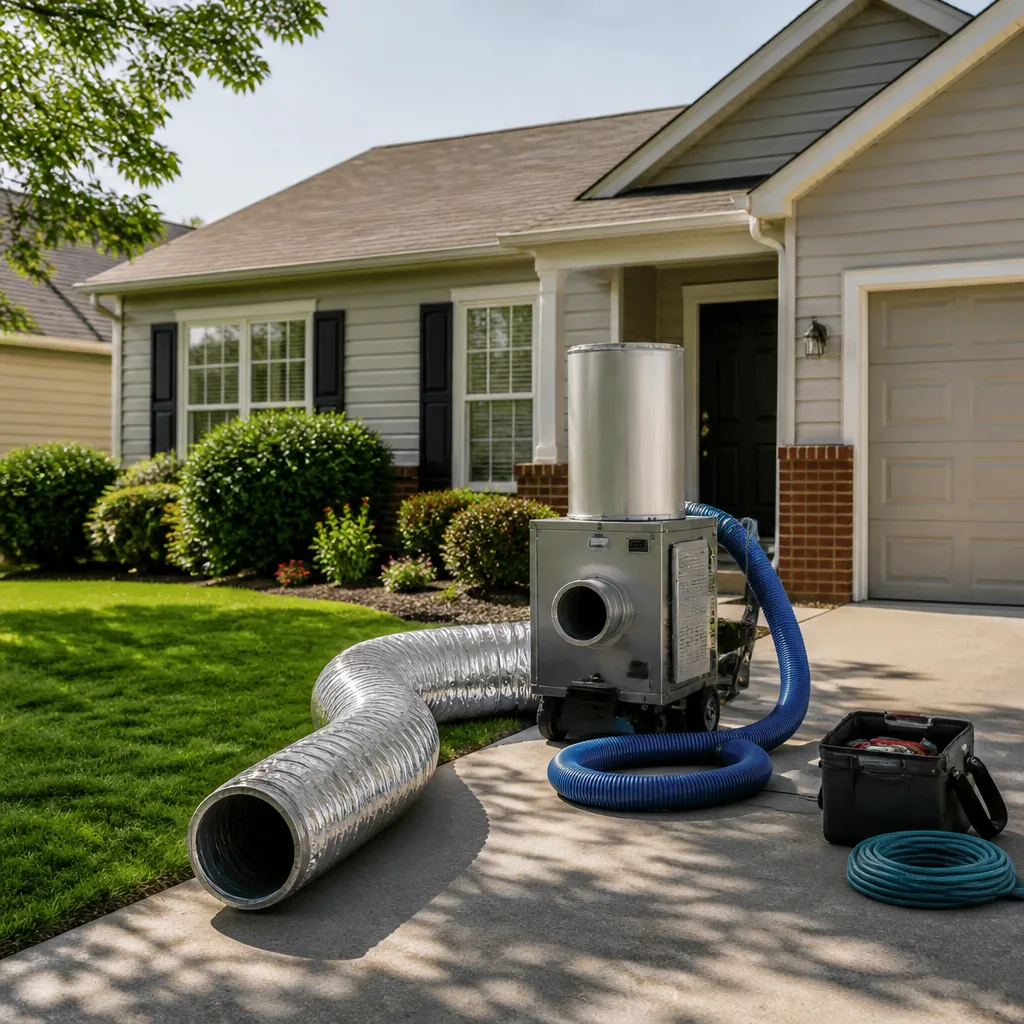 Whole-home duct cleaning
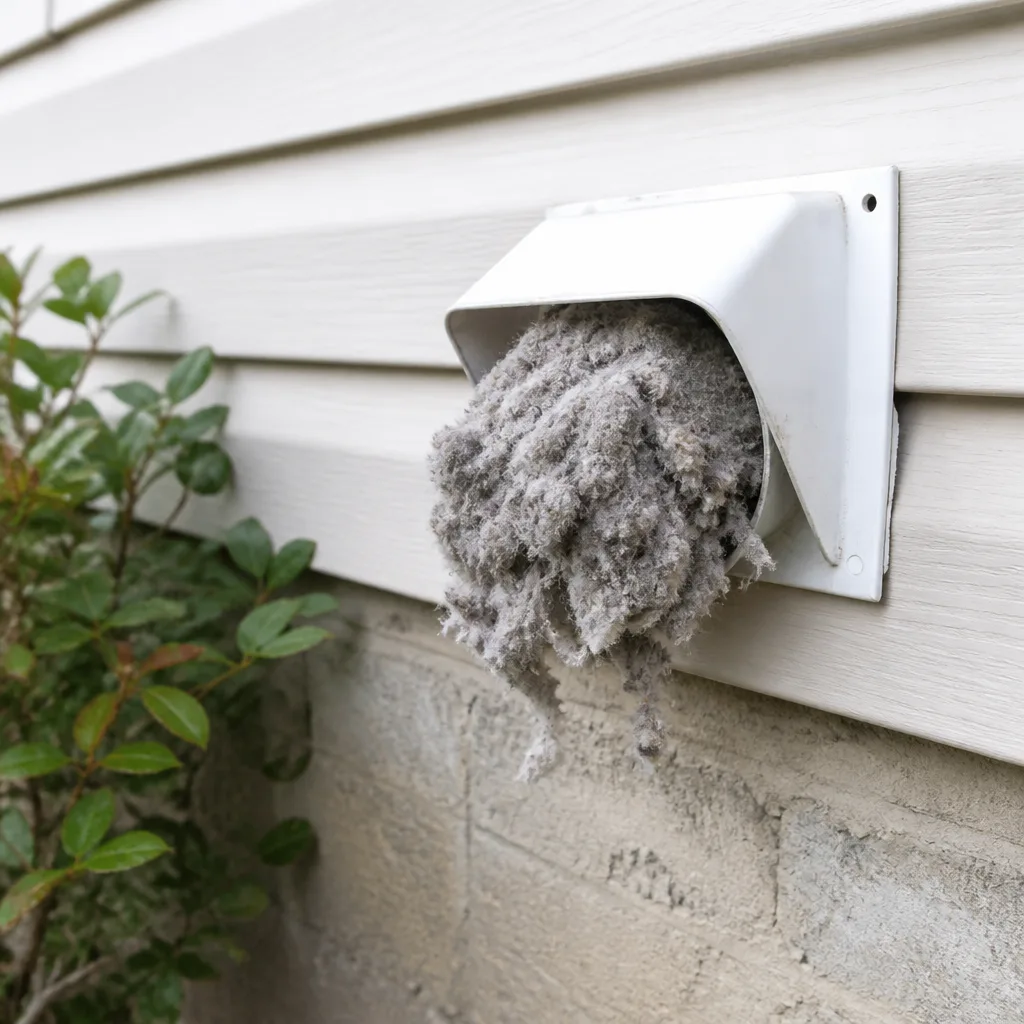 Dryer vent cleaning
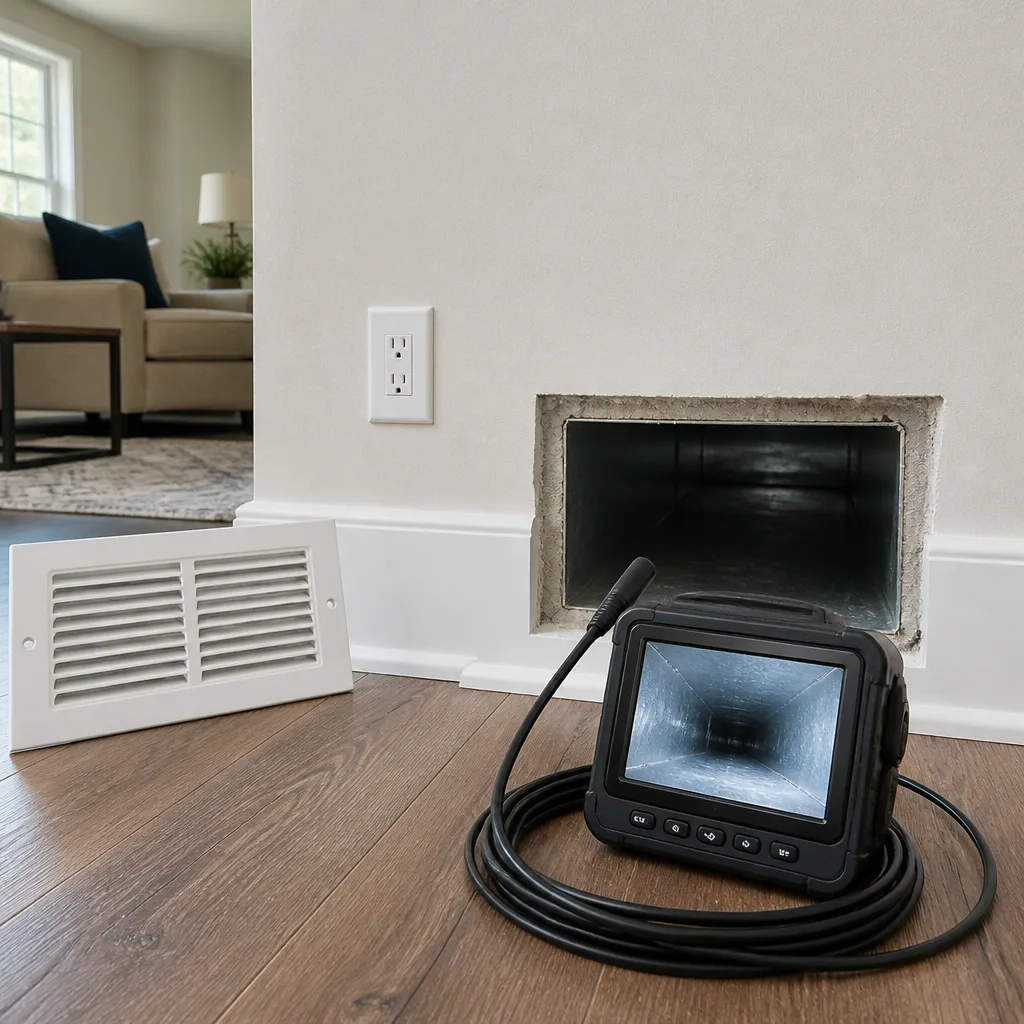 Camera inspection
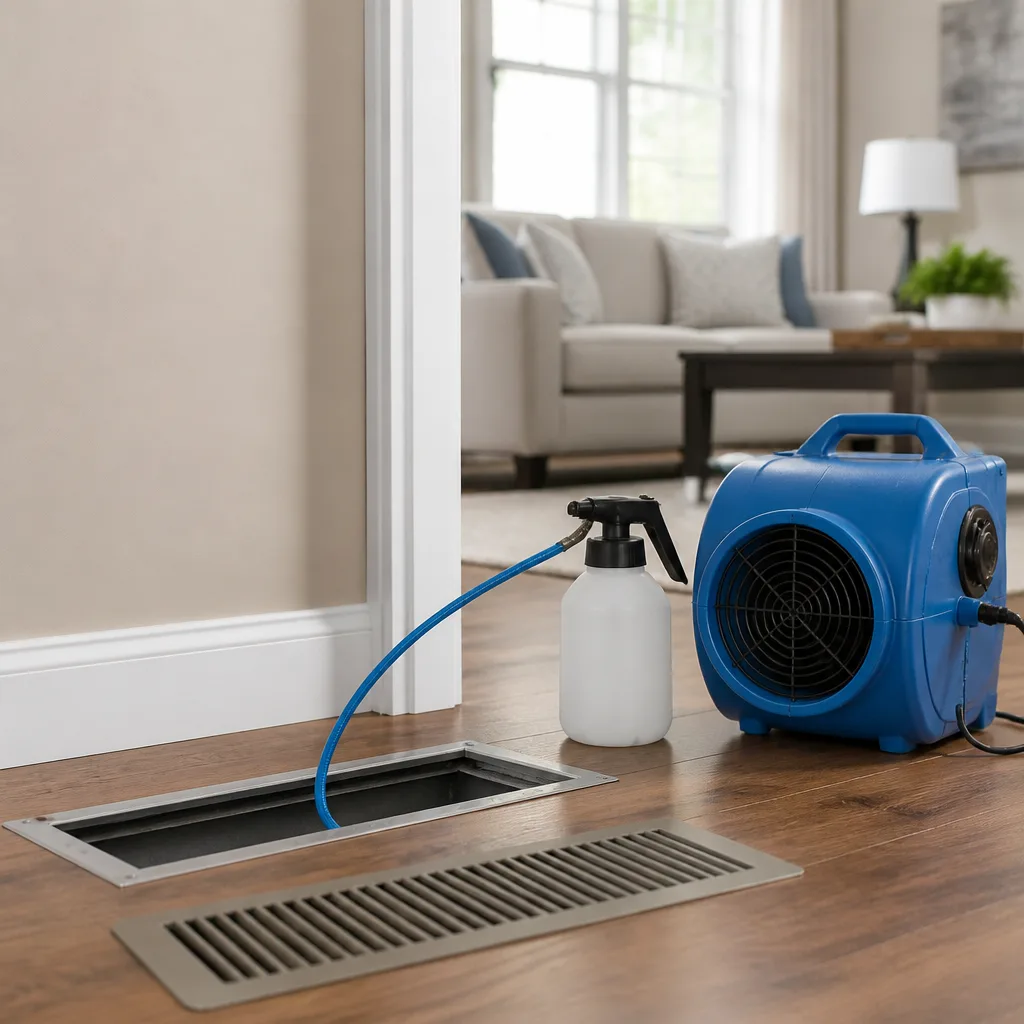 Sanitizing & deodorizing
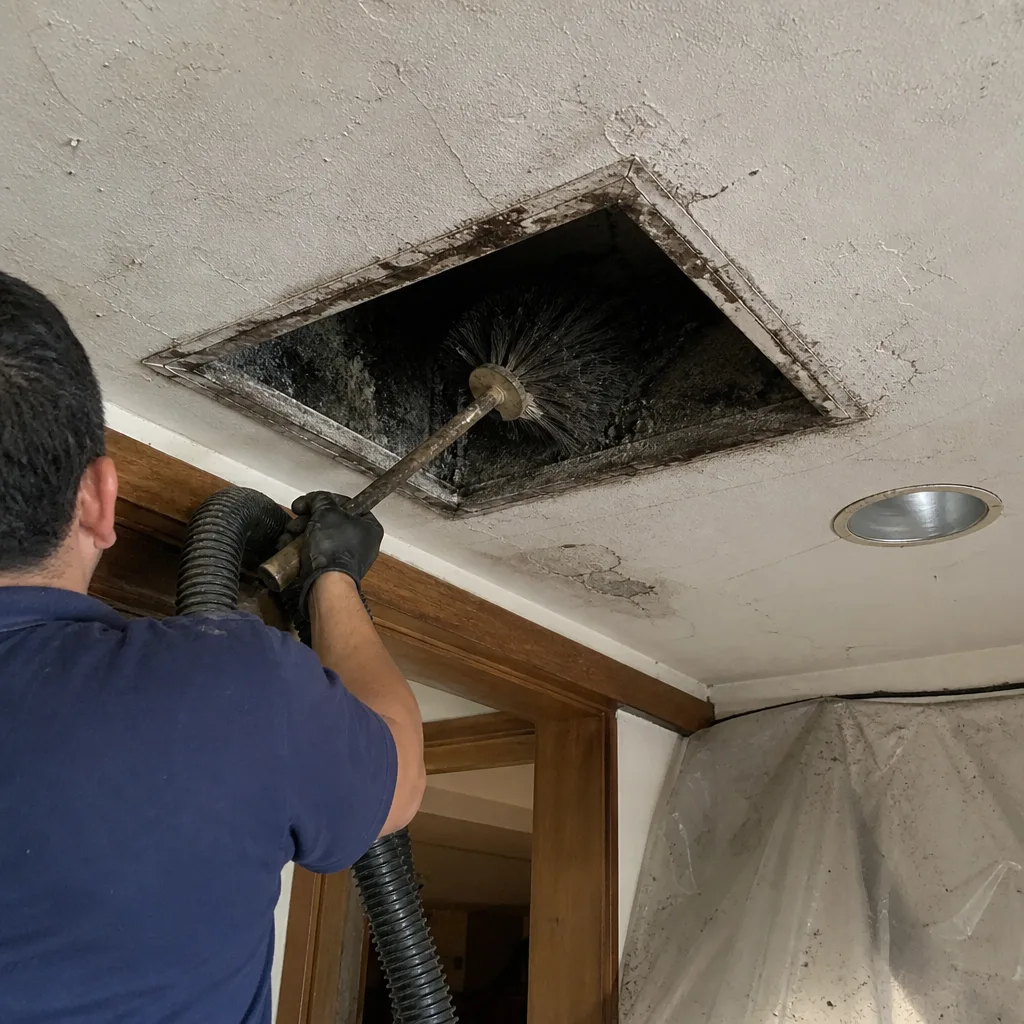
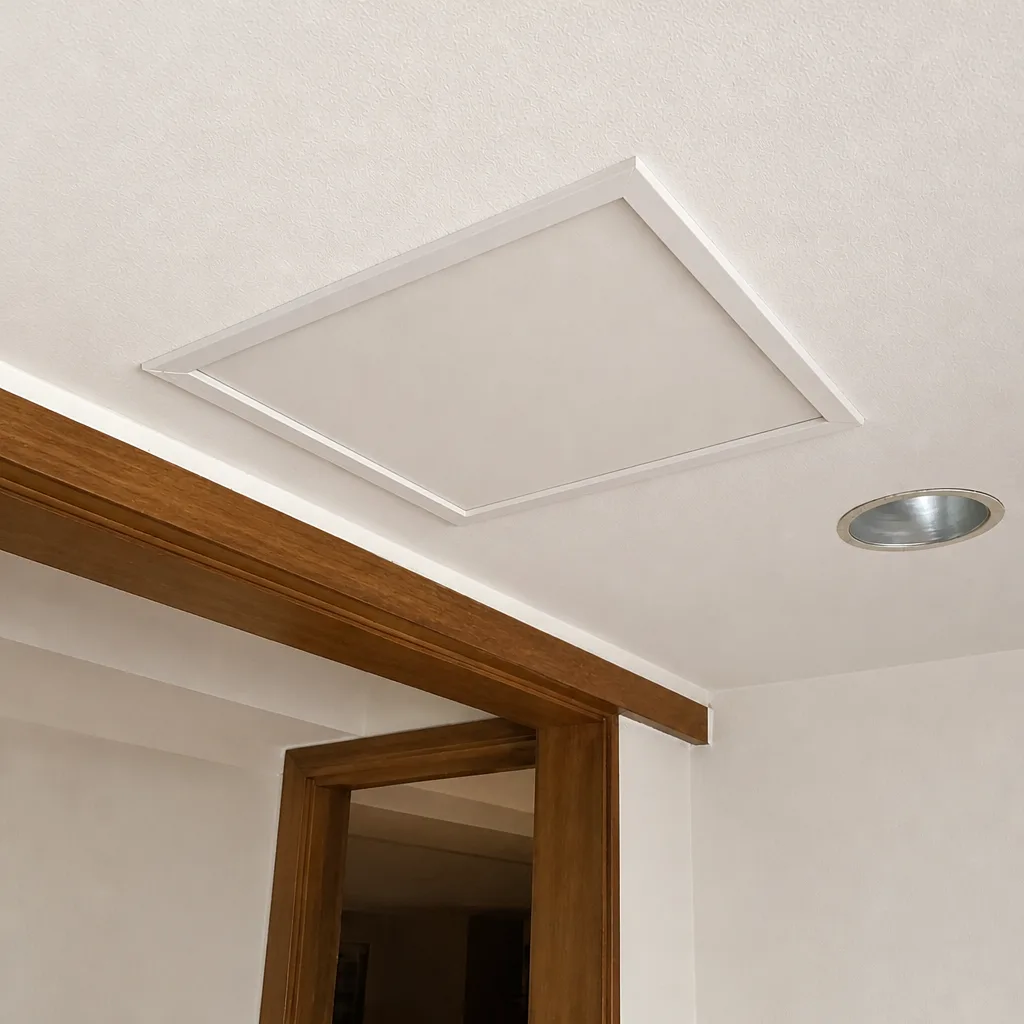
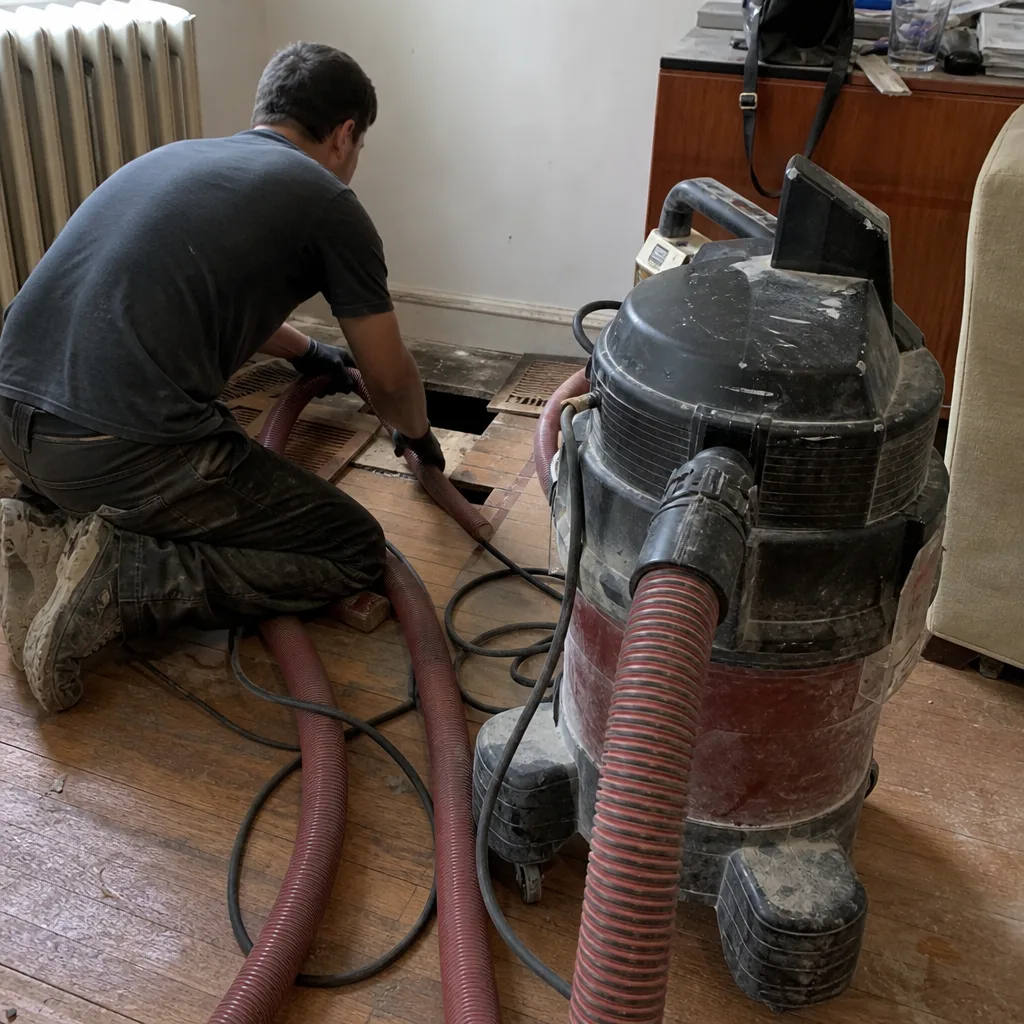
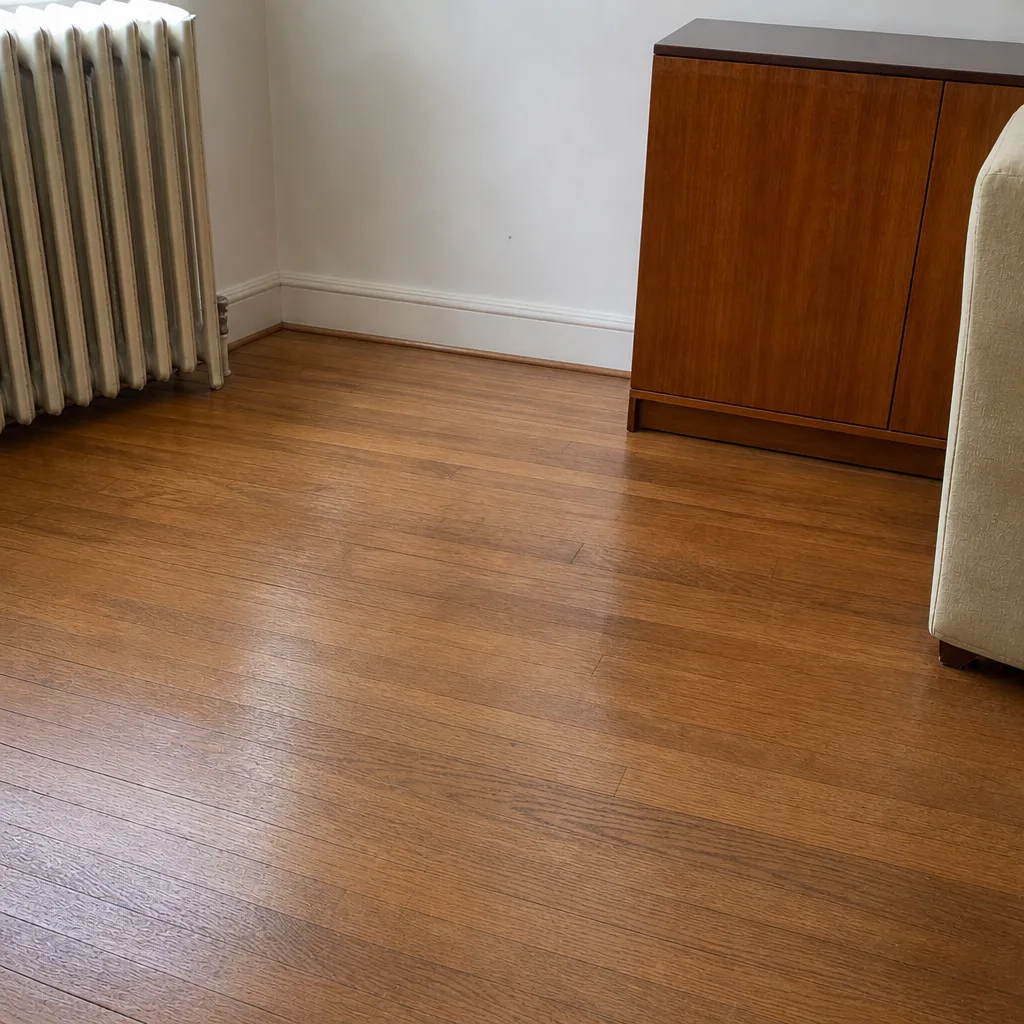
Whole-system duct and dryer vent check with before-and-after photos - you see exactly what came out of your vents
That "$99 whole-house special" is a bait ad - the real number appears once they are in your hallway, or the "clean" is a shop-vac at the register. We photograph the inside of your ducts before and after instead.
Air Duct Cleaning Warning Signs: An East Village Homeowner’s Reference Guide
Most people in East Village look for duct problems in the wrong place. They blame allergies on pollen from Tompkins Square Park, blame the musty smell on a century-old building, blame the cold bedroom on a radiator that needs bleeding. Sometimes they’re right. Often they’re not. The duct system behind the walls and above the ceiling carries every cubic foot of air you breathe and pay to heat, and when a run is crushed, disconnected, or caked with debris, it fails quietly. This guide shows you how to read the signs yourself, room by room, before you spend money on the wrong fix.
Quick Answer
The main warning signs of a dirty or damaged duct system are uneven room temperatures of 8-10°F or more, dust streaks around supply registers, musty odors that appear only when the HVAC runs, visible debris or pest droppings at register grilles, and respiratory symptoms that ease when you leave the apartment. Any two of these together point to the ducts themselves rather than the furnace, boiler, or outdoor air. A professional inspection confirms which one you’re dealing with.
Styles & brands we work with
- Whole-home duct cleaning
- Dryer vent cleaning
- Camera inspection
- Sanitizing & deodorizing
Table of Contents
- Airflow Symptoms: Is It the Ducts or the Equipment?
- Reading Your Supply Registers: Dust Patterns That Tell You Something
- Why Musty Odors That Follow the HVAC Point to the Duct Interior
- Symptom Patterns: Duct Contamination Versus Outdoor Air
- Five Visual Checks Any East Village Resident Can Do Without Tools
- What East Village Buildings Do to Duct Systems
- Levels of Duct Contamination and What Each One Needs
- Common Mistakes to Avoid
Airflow Symptoms: Is It the Ducts or the Equipment?
Airflow problems split into two families, and telling them apart saves you from paying for the wrong service. Equipment failure means the furnace, air handler, or blower isn’t producing air. Duct failure means the equipment produces plenty of air and some of it never reaches the room. The difference usually shows up in patterns rather than in a single room.
An HVAC unit that’s failing tends to affect the whole apartment at once. Every room gets weak airflow, the system short-cycles, or you hear the blower running with barely any air at the registers. A duct problem is uneven. One or two rooms run cold or stuffy while the rest of the apartment is fine. That asymmetry is the tell.
Here’s a quick comparison you can run in a single evening:
- Whole apartment weak, all registers: lean toward the blower, filter, or air handler.
- One room cold, one room fine, same thermostat: lean toward a duct run that’s crushed, kinked, disconnected, or leaking.
- Air coming out of a register feels strong but the room stays cold: the air may be short-circuiting into a wall cavity or being delivered in the wrong place.
- Whistling or roaring at one register: a restriction or a badly sized branch, often a sign the duct interior has collapsed or that flex duct has been pinched during a previous renovation.
- Temperature swings when the system cycles on and off: normal to a degree, but 8-10°F gaps between rooms point to distribution, not equipment.
In East Village walk-ups this pattern shows up in specific ways. A rear bedroom added during an old renovation, for instance, may be fed by a single flexible run snaked through a closet and pinched at two elbows. The front rooms stay comfortable and the back room never does. If you’ve bled the radiators and they’re hot to the touch, the heat source is fine. Look at where the air is going.
One useful at-home test: hold a tissue against each supply register for a few seconds. You should feel a steady, similar push at every register on the same branch. A register that barely moves the tissue while its neighbor across the hall pushes hard is a distribution problem, and the fix usually lives inside the duct system rather than in the mechanical room.
Reading Your Supply Registers: Dust Patterns That Tell You Something
The dust around a supply register is a diagnostic tool. Most people wipe the grille and forget it. But the pattern of the deposit tells you whether you’re looking at ordinary household dust, active debris blowing out of the ducts, mold growth, or pest activity. Those four have different fixes, and none of them is “vacuum the grille more often.”
Here’s what to look for the next time you clean a register:
- Uniform gray film on the face of the grille: ordinary settled house dust. Normal, especially close to a kitchen or an open window on a busy East Village block. Clean it and move on.
- Dark streaks radiating from the louvers: air carrying particulate out of the duct and depositing it on the grille edges. This is the classic sign of debris inside the duct itself, and it usually appears first at the rooms furthest from the air handler.
- Black, sooty-looking buildup along the ceiling near the register: can be dust marking, can also be a sign of air leaking through a bad seal. Worth a professional look if it grows.
- Fuzzy or clustered spots, greenish or grayish: possible mold growth on the grille or the duct liner behind it. Do not wipe it and forget it; find out what’s behind the grille.
- Small dark specks that look like crumbs or pepper: pest activity. Rodent droppings and insect frass look like this and often collect on top of the grille or on the ceiling tile above it.
- Streaks of dust along the ceiling in a line from the register: air leaking from a disconnected boot or a damaged joint, blowing into the wall or ceiling cavity.
If you see more than one of these at the same register, the duct interior is the starting point. We’ve seen the difference between a duct that just needs a full cleaning and one that needs a run repaired first, and the dust pattern is often the first clue. A professional-grade vacuum from Rotobrush or Nikro pulls the debris out under negative pressure; a shop vacuum taped to a register does not, and it can spread fine particulate into the room instead of removing it.
One more East Village detail: many pre-war apartments have ceiling heights of 9 or 10 feet, and registers mounted high near the ceiling. Dust collects on top of the grille where nobody can see it. If you’re doing an inspection, get a flashlight above the grille, not just at eye level.
Why Musty Odors That Follow the HVAC Point to the Duct Interior
Here’s a test that ends a lot of guessing: notice when the smell appears. An odor that’s always in the apartment, regardless of whether the heat or AC is running, often comes from the building itself – old plaster, a damp basement, a neighbor’s cooking, or the porous brick common to East Village construction. An odor that appears within a minute or two of the HVAC system starting and fades when it stops is almost always coming through the ducts.
The logic is simple. When the blower runs, it pressurizes the duct system and pushes air into every room. If the interior of the duct holds moisture, dust, or microbial growth, that air picks up the smell on the way through. When the system cycles off, the smell goes quiet. You’ve now narrowed the source to the air path, not the building.
Odors that follow the HVAC usually fall into a few categories:
- Musty or “wet basement” smell: moisture and microbial growth inside the duct, often on fiberglass liner or at a joint where condensation has collected.
- Dusty, stale smell on first startup in the fall: normal for a few minutes, especially after a summer of disuse. If it lasts more than a day or two, it’s not just sitting dust.
- Sharp or chemical smell: could be an equipment issue or an electrical problem. This is not a duct cleaning question; shut the system down and have it checked.
- Rodent or urine smell: pest activity in the ducts or in the wall cavities they’re using to travel. A professional inspection is needed.
- Smell concentrated in one or two rooms: points to a specific branch of the duct system, not the whole apartment.
If you want to confirm the timing, run the system with the thermostat set a few degrees above room temperature and walk the apartment right when the blower kicks on. Notice which rooms change first. The rooms that smell strongest are usually the furthest points on the branch, where air velocity is lowest and contamination accumulates.
Once the source is confirmed, sanitizing is a real step and not a marketing add-on. Fogging the duct interior with an EPA-registered sanitizer after a full cleaning addresses the microbial growth itself. That said, sanitizing without cleaning just coats the debris. The two go together, in that order.
Symptom Patterns: Duct Contamination Versus Outdoor Air
Respiratory symptoms are where most East Village residents stop short of the right conclusion. Springtime pollen from the parks, summer ozone, fall mold from fallen leaves, winter dry heat from the radiators: there’s always an outdoor explanation available. Sometimes it’s correct. But duct contamination has a pattern of its own, and it’s distinguishable if you pay attention to when and where symptoms show up.
Here are the patterns that usually point indoors:
- Symptoms that improve within a day or two of leaving the apartment: travel, vacation, or a weekend away. If the congestion, cough, or headache eases when you’re not at home and returns within a day of being back, the apartment is the source.
- Symptoms that cluster in one room: the bedroom, the home office, the living room. That’s a distribution issue, and it aligns with which branch of the ducts is worst.
- Symptoms that ramp up when the HVAC runs: waking with congestion after a night of forced-air heating, or eye irritation that starts when the AC kicks in. This is the classic pattern of fine particulate and biological matter being distributed through supply air.
- Symptoms affecting one household member more than others: sensitivity varies. Someone with asthma or seasonal allergies will react to a contamination level that doesn’t bother a housemate.
- No correlation with outdoor conditions: symptoms don’t peak with pollen counts or on smoggy days, and don’t ease on clean, rainy weekends. That’s a sign the source isn’t outdoors.
Compare that with outdoor-air patterns. Seasonal allergy symptoms track with the calendar and with weather. They ease after rain. They spike on windy days in spring. They alter when you leave the city. If your symptoms don’t do any of that, look inside.
We’re not doctors and we don’t diagnose anything. But we’ve run enough East Village inspections to know that the “symptoms follow the HVAC” pattern correlates strongly with what a borescope camera finds inside the ducts: settled dust, degraded liner, sometimes moisture and biological growth. If you notice this pattern, the first step isn’t a medical conclusion. It’s confirming what’s in the duct system and getting it clean.
Five Visual Checks Any East Village Resident Can Do Without Tools
None of these require anything but a flashlight and a step stool. Do them before you call anyone. If you find three or more, a professional inspection is worth scheduling.
- Look at every supply register in the apartment. Note the dust patterns, streaking, spots, or debris on each. Photograph any register that looks unusual. The collective pattern tells you how widespread the issue is.
- Remove one return-air grille and look inside with a flashlight. You should see clean metal or clean duct board. If you see matted dust, loose debris, or a fuzzy gray coating, that’s the duct interior talking. Photograph it. Put the grille back.
- Run the HVAC and walk from room to room with a tissue. Compare airflow at each register. Note rooms with weak or no airflow. Note rooms where the tissue is pulled or pushed hard. Both extremes are informative.
- Smell each room right when the system starts. Stand in the room, let the blower kick on, and notice which rooms change first. Note any musty or stale smell distinct from the base smell of the apartment.
- Check the space around the air handler or furnace. Look for dust streaks on the ceiling around it, loose duct connections, or sagging flex duct visible at the unit. Any loose joint there feeds the whole apartment.
Record what you find. A short list of rooms with photos is more useful to a technician than a memory of “something seemed off.” If you’re a property manager in East Village dealing with a multi-unit building, this is the same process, done unit by unit, and it usually reveals a building-wide issue rather than isolated complaints.
If you want to move from inspection to service, the next step is air duct cleaning. We bring professional equipment to the apartment, inspect the system with a camera, and tell you what we actually find before any work starts.
What East Village Buildings Do to Duct Systems
East Village’s building stock makes duct problems more likely than in a newer suburb. That’s not pessimism; it’s structural. Walk-ups built in the early 1900s and mid-century conversions were rarely designed for forced-air distribution. Duct runs were added later, often as part of renovation, and they show it.
Here are the specific conditions we see again and again in East Village:
- Retrofitted duct runs through tight wall cavities. When a run gets squeezed through a 4-inch space between original walls, flex duct gets pinched. Airflow drops. The nearby room never heats properly.
- Converted tenement layouts. What was once a stairwell, closet, or interior service shaft is now a bedroom, and the duct serving it is often a single small branch that was never sized for its use.
- Renovation debris. Drywall dust, plaster dust, construction debris, and sawdust from multiple past renovations settle in the bottom of horizontal duct runs. Every time the system runs, some of that gets airborne.
- Moisture in the ducts. East Village apartments often run air conditioning units that cool hard and drain poorly, or sit over radiators in winter. Either way, condensation in duct runs is common, and fiberglass liner is the perfect substrate for microbial growth once it stays damp.
- Shared plenums in older multi-unit buildings. If units share a return path through a corridor or a ceiling cavity, what’s in one unit’s supply air can end up contributing to another’s.
- Windows that never close properly. Ground-floor and street-facing units draw in street-level particulate from the East Village blocks they open onto. Ducts collect more of it when the system is running hard.
None of that means every East Village apartment needs its ducts cleaned. It means the warning signs above are worth taking seriously in this building stock, and the fix usually involves more than just cleaning. If a leak is found during the inspection, it should be repaired and sealed in the same visit. If filtration is undersized for the unit’s particulate load, upgrading to a proper filter is a separate but related step. HVAC cleaning addresses the air handler and coil side of the same system, which is where a lot of debris gets recirculated if it isn’t cleaned too.
Levels of Duct Contamination and What Each One Needs
Not every dirty duct is a crisis, and not every warning sign calls for the same response. Thinking about contamination in levels makes it easier to decide what to schedule and in what order. Here’s how we categorize what we find during an inspection.
Level 1: Surface dust. A light film of dust on the duct walls and grilles. No debris accumulation, no odors, no symptoms. Not a reason to schedule anything. A routine cleaning every few years, if that, and keep the filter changed.
Level 2: Debris accumulation. Visible dust matting, small debris at the bottom of horizontal runs, dust streaks at registers, some airflow change in distant rooms. This is where cleaning pays off, especially if anyone in the household has allergies or asthma.
Level 3: Contamination with odor or symptoms. Everything at Level 2 plus a musty smell that follows the HVAC or respiratory symptoms with the pattern described above. Needs a full cleaning, an inspection for moisture, and a sanitizing step to address biological growth. If the inspection finds a leak or a crushed run, repair and sealing happen before or alongside the cleaning.
Level 4: Structural or biological damage. Dissected or disconnected duct runs, confirmed mold growth on liner, pest activity inside the ducts. This is remediation-grade work. Negative-air containment matters here, and the equipment list gets longer. We bring Abatement Technologies equipment on the truck for exactly these jobs, because a standard vacuum setup is not enough once you’re dealing with containment-level contamination.
Most East Village apartments we inspect land at Level 2 or Level 3. Level 4 shows up more often in pre-war buildings with a history of renovation and moisture, and in multi-unit properties where nobody has owned the duct system’s overall condition.
One note on the long game: if you’re going to clean, seal what’s leaking, and upgrade filtration, the full chain (clean ducts, sealed ducts, sanitized air, better filter) is where the results actually hold. Cleaning without sealing just re-contaminates. Sealing without cleaning leaves the debris. Filtration without either doesn’t address the source. It’s the reason we carry Honeywell and Aprilaire whole-home air quality products and install them directly, rather than leaving the air quality side to a separate contractor.
Common Mistakes to Avoid
- Assuming a cold room is a radiator problem. Bleeding a radiator is worth doing, but if the radiator is hot and the room still won’t warm up, the issue is where the air goes, not where the heat comes from. Chasing radiator valves for months is a common East Village time sink.
- Blaming allergies on the park across the street. If symptoms don’t ease when you leave the city, or ramp up when the HVAC runs, outdoor air isn’t the source. Test the pattern before buying another air purifier.
- Vacuuming inside a register with a household vacuum. Consumer vacuums push as much fine particulate back into the room as they pull out of the duct. Professional systems run under controlled pressure for a reason.
- Treating musty smell with air fresheners or candles. Masking the smell doesn’t remove the moisture or biological growth behind it. Find the source or it comes back.
- Skipping the inspection when booking a cleaning. Cleaning a duct system with a crushed run or a disconnected joint puts debris exactly where you don’t want it. Inspection first, then cleaning, then repair and sealing in the same visit if needed.
- Ignoring a flex duct pinched during a past renovation. If a room has never heated well since a renovation, that’s usually a crushed run. Cleaning won’t fix it. Repair will.
- Assuming one unit’s problem is every unit’s problem. In a multi-unit East Village building, the same symptom set can be building-wide or isolated to one apartment. Unit-by-unit inspection tells you which.
See the difference
 Before
 After
 Before
 After
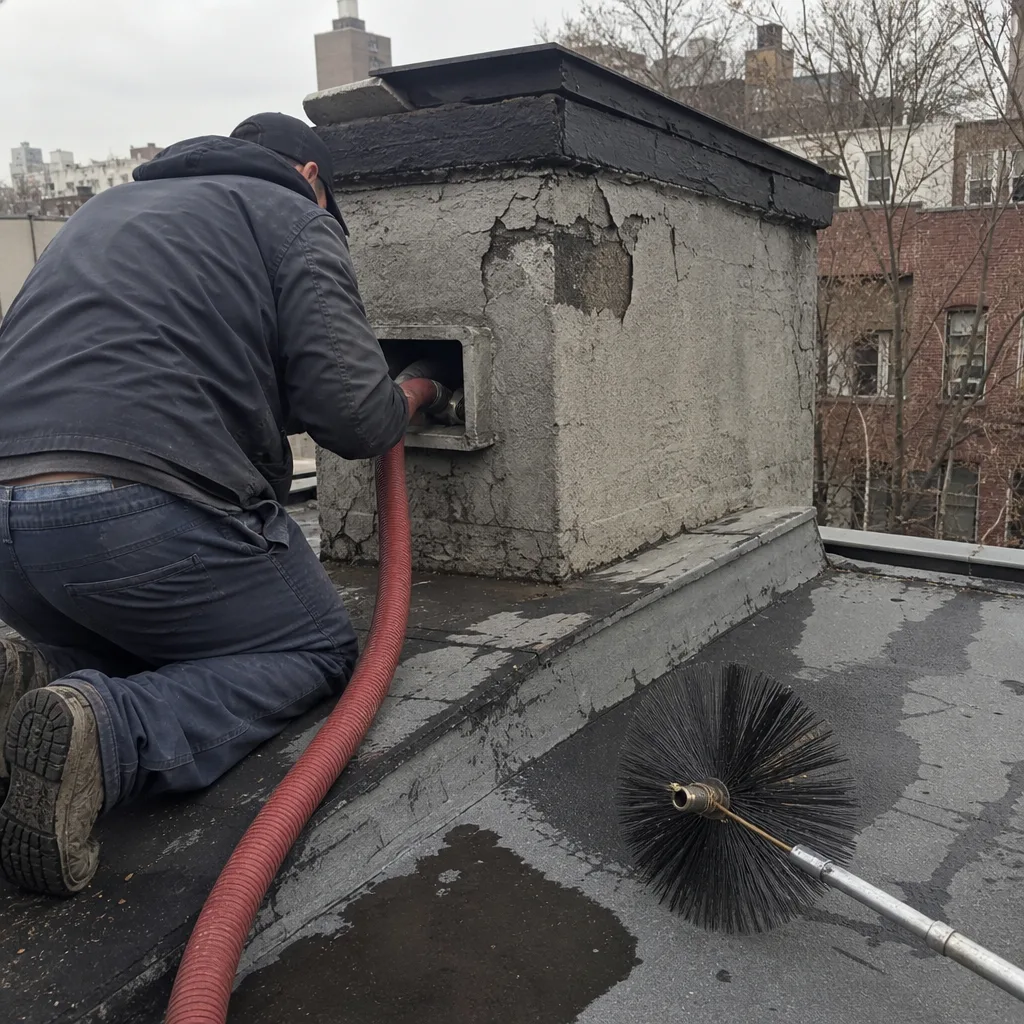 Before
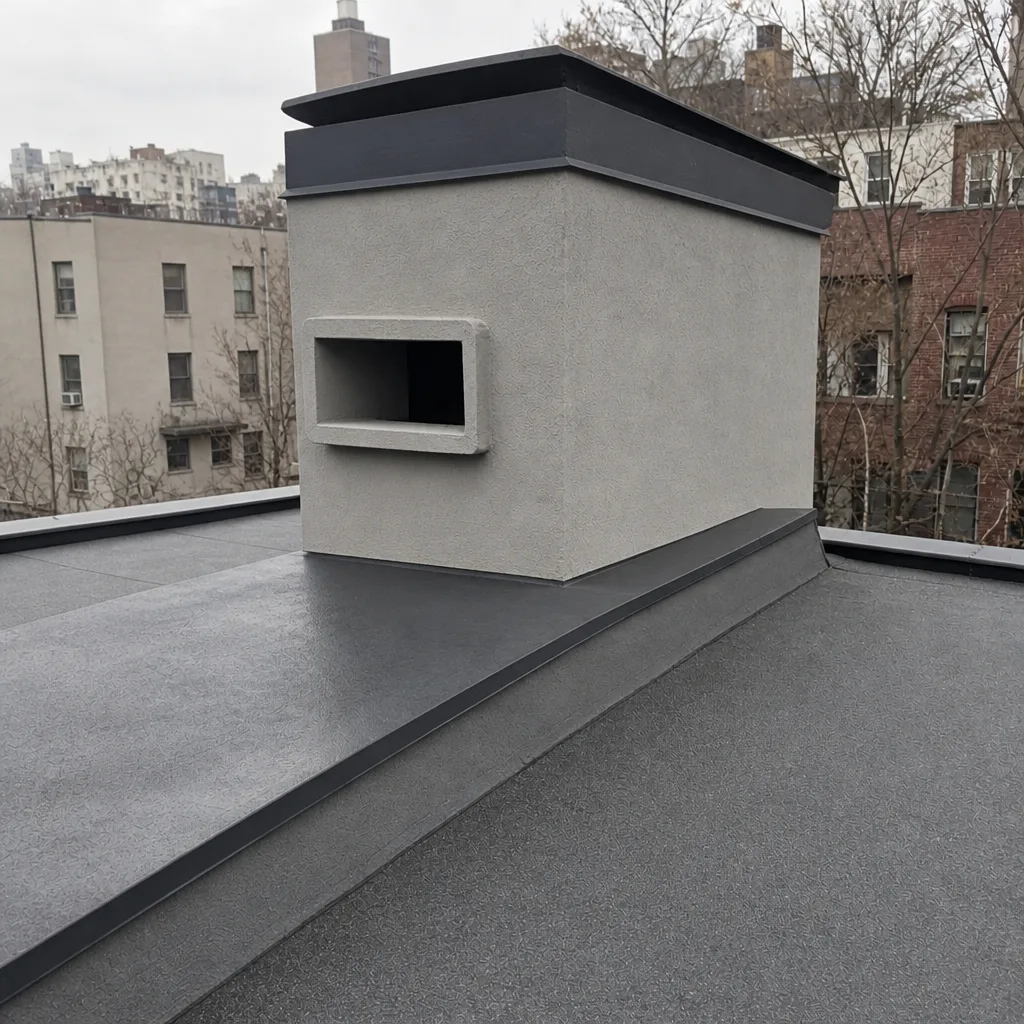 After
When to Call a Professional
Call a professional when two or more warning signs show up together, when you can see debris or growth inside a return grille, when there’s a musty smell that follows the HVAC, or when respiratory symptoms track with time spent in the apartment. Also call when a room has consistently underperformed since a renovation, since that usually points to a duct run issue. Do-it-yourself inspection is fine and encouraged. Repair and cleaning aren’t. The system involves negative pressure, filtration, and often duct board that shouldn’t be disturbed casually.
One thing to know before you book: a warning sign you can see is only the outside of the problem. A borescope inspection tells you what’s actually inside, and that’s what determines whether you need cleaning, repair, sealing, sanitizing, or some combination. If a leak is found, it should be sealed in the same visit, not referred out. Air Duct Cleaning East Village offers free estimates in East Village. Call (855) 952-0316. We answer 24/7. Fast dispatch from 7am to 7pm, Sunday through Friday.
Frequently Asked Questions
Most East Village apartments don’t need cleaning on a fixed calendar; they need it when warning signs show up. In this building stock, a duct system with no signs of debris, odor, or symptoms can typically go years between cleanings. If you’ve had a renovation, notice dust streaking at registers, or have anyone in the apartment with asthma or allergies, a professional inspection is worth doing sooner rather than later. Call (855) 952-0316 for a free estimate; we’ll tell you what we actually see.
The price depends on the size of the apartment, how many systems are involved, the level of contamination, and whether repair or sealing is needed. We give a written estimate before any work starts, based on the actual inspection, not a coupon. If a repair is needed, we quote it separately so you can decide. Call (855) 952-0316 for an exact quote; estimates are free.
Because they usually aren’t the same job. A very low quote often covers one surface visit to registers with consumer-grade equipment and no inspection of the ducts themselves. The work you actually need (full cleaning under professional pressure, an inspection, repair of any leaks or damaged runs, a sanitizing pass if there’s biological growth) costs more, and a quote that pretends otherwise gets adjusted once the technician is on-site. One flat price per system, agreed before work begins, is the honest version of the service. Call (855) 952-0316 for a real quote.
Ask for before-and-after photos of your own ducts, not stock images. A real inspection walks you through what was found, and a real cleaning produces visible evidence: photographs of the duct interior pre-cleaning and post-cleaning, and a look through the disassembled grille so you can see the metal. We photograph as we go and share the images. Call (855) 952-0316 if you want to see what an inspection involves.
No. Pollen enters from outside, mostly through windows and doors, and cleaning your ducts doesn’t stop that. What duct cleaning addresses is the fine particulate and biological growth already inside the system, which can compound outdoor-air symptoms even in an apartment with closed windows. If symptoms ramp up when the HVAC runs, and ease when you’re not in the apartment, cleaning is likely to reduce that indoor component. Call (855) 952-0316 to schedule an inspection and find out what’s actually there.
Not necessarily, but they’re worth thinking about together. dryer vent cleaning addresses a different system with a different risk profile, and the warning signs (long dry times, a hot dryer door, lint accumulation behind the dryer) are separate from the duct system signs above. If both are due, scheduling both in one visit cuts the disruption to about half. Call (855) 952-0316 for a combined free estimate.
The Bottom Line
Duct problems in East Village apartments are usually misread as other things: cold rooms blamed on radiators, musty smells blamed on old walls, symptoms blamed on outdoor air. The signs themselves are legible if you know what to look for. Temperature gaps of 8-10°F between rooms, dust streaks radiating from supply registers, musty smells that follow the HVAC, symptoms that track with time at home, and visible debris at return grilles are all in the same diagnostic family. Once you’ve done the at-home checks and found more than one sign, a professional inspection confirms what’s actually inside the system. Cleaning, repair, and sealing together are what actually fixes it.
If you’re an East Village homeowner or property manager and the signs above match what you’re seeing, call (855) 952-0316 for a free estimate. We answer 24/7. Fast dispatch from 7am to 7pm, Sunday through Friday. Air Duct Cleaning East Village runs professional equipment from Rotobrush and Nikro and carries Abatement Technologies equipment for containment-level work, and our technicians have up to 15 years of experience with this class of system.
Written by the team at Air Duct Cleaning East Village.