
Last updated November 22, 2026
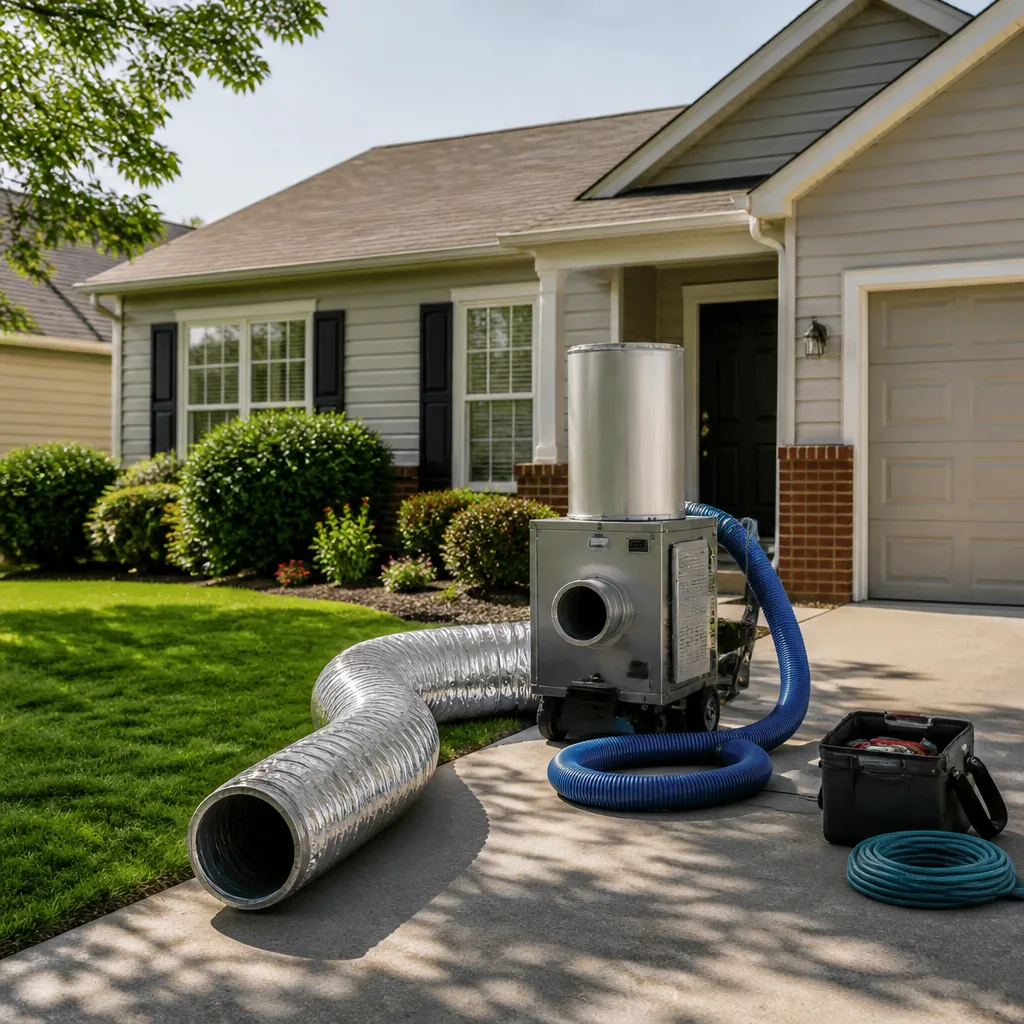 Whole-home duct cleaning
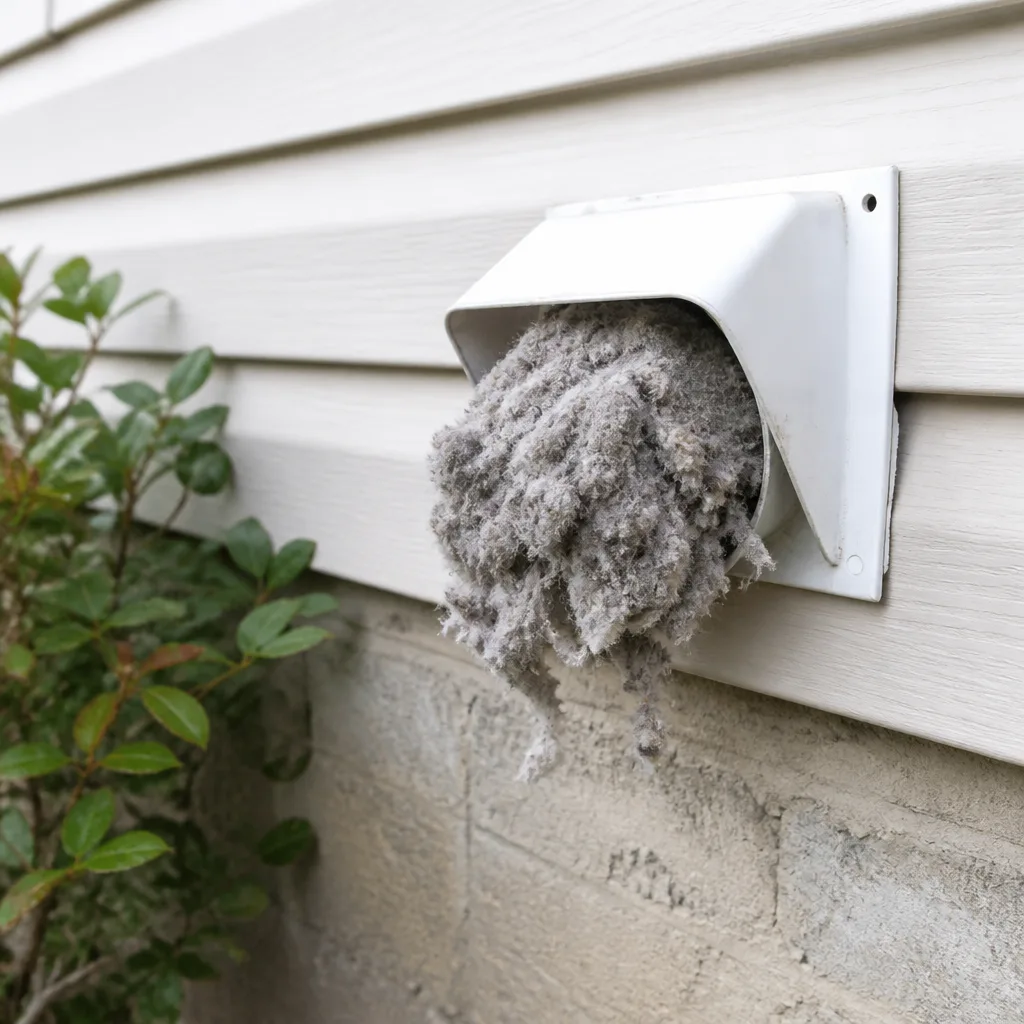 Dryer vent cleaning
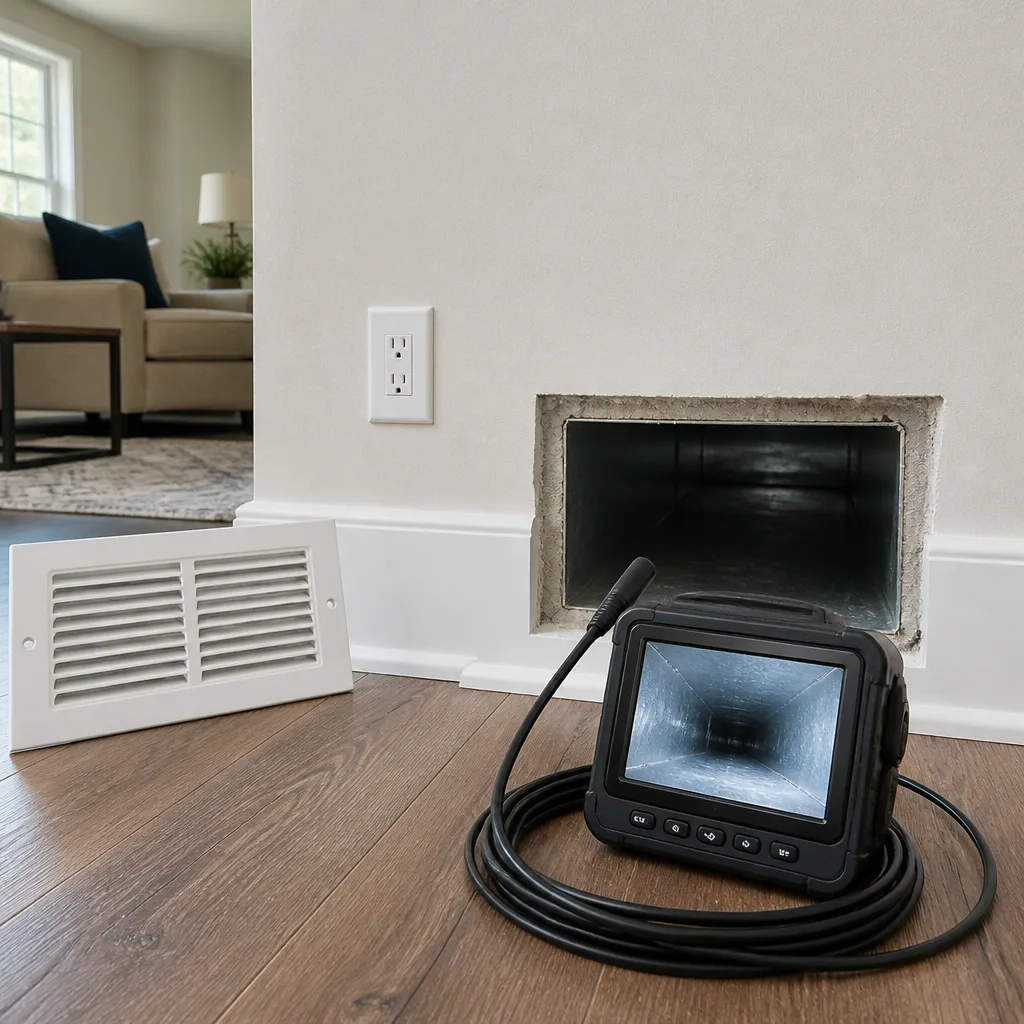 Camera inspection
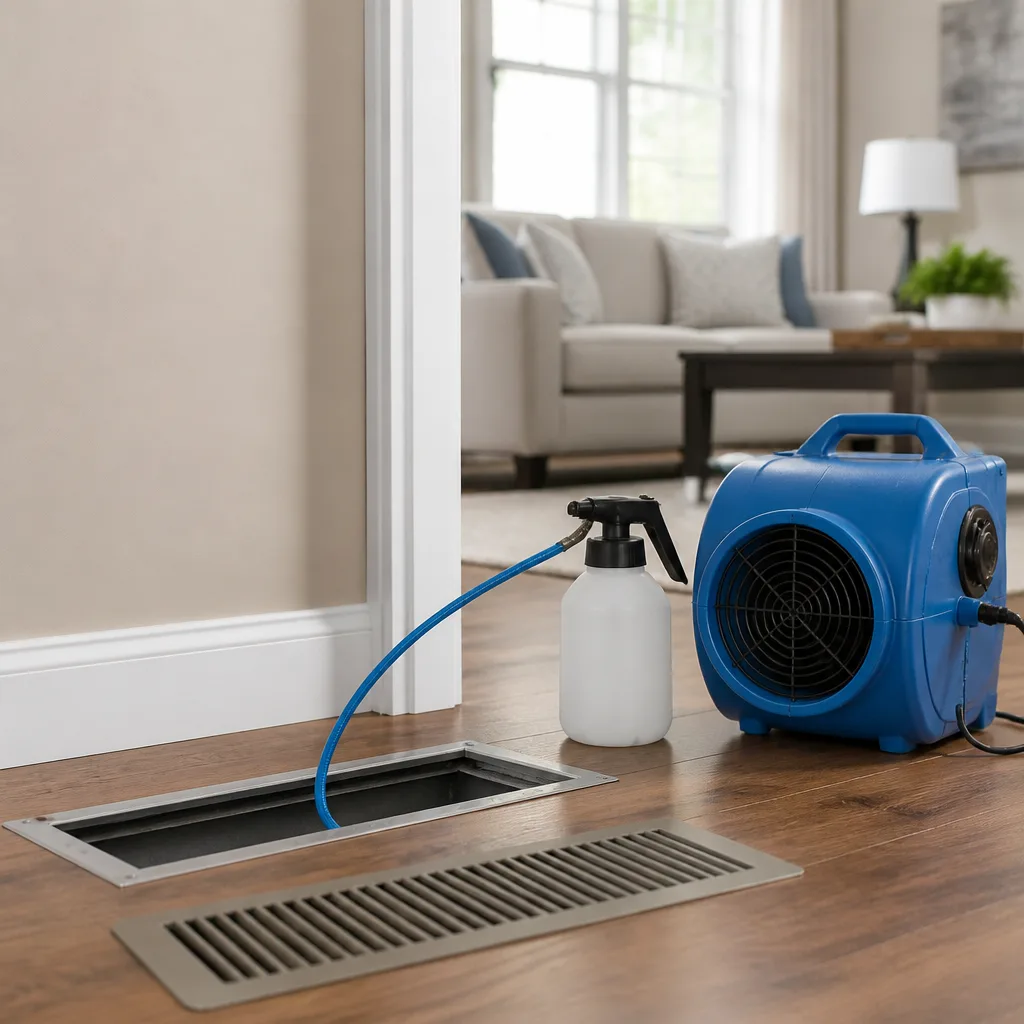 Sanitizing & deodorizing
Whole-system duct and dryer vent check with before-and-after photos - you see exactly what came out of your vents
That "$99 whole-house special" is a bait ad - the real number appears once they are in your hallway, or the "clean" is a shop-vac at the register. We photograph the inside of your ducts before and after instead.
Air Duct Cleaning Cost Breakdown: The East Village Homeowner’s Reference for 2026
Two quotes for the same East Village apartment can land $500 apart, and both can be honest. A $150 whole-unit price and a $650 one often describe two completely different jobs: one is a vacuum pass over the visible grilles, the other is a contained, documented clean of the full system with before-and-after photos. The gap isn’t greed. It’s building age, duct configuration, contamination level, and what equipment actually shows up. This reference breaks down every line item that moves the number in East Village, what professional-grade equipment costs to run, which add-ons earn their place in a NYC apartment, and how to read a scope of work so you’re comparing like with like.
Quick Answer
Air duct cleaning in East Village typically runs $350 to $700 for a one-bedroom walk-up, $500 to $950 for a two-bedroom, and $850 to $1,600 for larger pre-war units, converted lofts, or multi-zone systems. The number is driven by linear duct footage, register count, accessibility, and contamination severity, not by a flat per-vent rate. Every price should be set per job by a written estimate agreed before any work starts.
Styles & brands we work with
- Whole-home duct cleaning
- Dryer vent cleaning
- Camera inspection
- Sanitizing & deodorizing
Table of Contents
- What actually drives the price in East Village
- Why professional equipment sets a price floor
- Price ranges by East Village building type
- Add-on services: which ones earn their cost
- How to compare quotes apples-to-apples
- What a proper scope-of-work document includes
- How a professional cleaning actually runs, step by step
- Common mistakes to avoid
What actually drives the price in East Village
Four variables account for almost all of the spread between quotes. Understanding them lets you read an estimate and know whether it’s padded or simply describing a bigger job than the next bidder.
1. Linear duct footage
Pricing follows the length of the duct run, not the square footage of the apartment. A long railroad one-bedroom in a pre-war walk-up can carry more duct than a compact two-bedroom with a tight central return. Contractors measure this on site or estimate it from register count and visible trunk runs.
2. Number of registers and returns
Each supply register and return grille is an access point that needs to be removed, cleaned, and reseated. A studio with four supplies and one return takes a fraction of the time a three-bedroom with nine supplies and two returns does. This is why honest quotes count registers and price the system as a whole, rather than quoting a teaser rate per vent.
3. System accessibility
This is the East Village wildcard. In pre-war buildings, ducts may be boxed into walls, run through a shared shaft, or terminated in a soffit with no access panel. Converted lofts sometimes have exposed spiral duct that cleans easily, and sometimes have ductwork rerouted around structural columns with tight turns. Every access point that has to be created, or every run that’s awkward to reach, adds labor.
4. Contamination severity
A system that’s been cleaned before and has light surface dust is a different job from one with heavy buildup after a renovation, water intrusion, or years of neglect. Renovation dust, drywall particulate, and biological growth all require longer containment, more passes, and sometimes sanitizing. Contamination level is why two similarly sized East Village apartments can legitimately differ by several hundred dollars.
Why professional equipment sets a price floor
A shop vacuum and a brush on a drill can’t clean a duct system, and a service that shows up with one has already revealed its price is built on shortcuts. Professional-grade equipment has real operating costs, and those costs create an honest floor beneath any legitimate quote.
We run Rotobrush and Nikro systems, which are purpose-built air duct cleaning machines used by commercial HVAC contractors. Rotobrush drives a rotating whip or brush through the duct while a vacuum captures dislodged debris; Nikro negative air machines hold the system under negative pressure so loosened material leaves the building rather than settling into the room. Add Abatement Technologies containment equipment and the setup time for a remediation-grade job alone is meaningful. Then there’s the inspection camera that lets a technician document what’s inside the run before and after cleaning.
- Machine cost and maintenance: professional duct cleaning systems, brushes, whips, and HEPA filtration carry significant capital and upkeep costs that a cheap quote doesn’t account for.
- Containment and negative air: setting up proper negative pressure takes time and equipment that doesn’t fit in a car trunk.
- Inspection cameras: documentation of conditions inside the duct is part of the price, and it’s the reason you can verify the work afterward.
- Labor hours: a thorough multi-hour job is priced on time, not on a flat per-vent figure.
None of this is a reason to pay more than the job is worth. It’s a reason to be suspicious of a quote that couldn’t possibly cover the equipment and labor a genuine clean requires. If you want the full process explained, our Air Duct Cleaning East Village page walks through what a proper visit looks like.
Price ranges by East Village building type
East Village housing stock is not uniform, and duct pricing tracks the building as much as the apartment. These ranges are typical estimates for the East Village market and should be treated that way; the written estimate sets the final price.
| Building type | Typical layout | Estimated range | What drives cost |
|---|---|---|---|
| Pre-war walk-up | Studio to one-bedroom, 4 to 6 registers | $350 – $600 | Boxed-in ducts, limited access panels, single return |
| Pre-war walk-up | Two-bedroom, 7 to 10 registers | $500 – $950 | Longer runs, multiple supplies, sometimes no accessible trunk |
| Mid-century high-rise | One- to two-bedroom, central HVAC or PTAC | $500 – $1,000 | Vermiculite or fire-damper access constraints, riser integration |
| Converted loft | Open plan, exposed or rerouted duct | $850 – $1,600 | High linear footage, exposed spiral runs, multi-zone setups |
Pre-war walk-ups are the East Village default, and their pricing is dominated by access. Ducts in these buildings often run through shared walls or shafts, and any contractor quoting without inspecting the run is guessing. Mid-century high-rises bring their own complexity, since the in-unit system often ties into a shared riser with fire dampers and access constraints. Converted lofts, common in the loft conversions around the neighborhood, can have the longest footing of all, with exposed ductwork that’s easy to clean but very long to clean.
Add-on services: which ones earn their cost
The upsell is where duct cleaning pricing gets muddy. Some add-ons are genuinely valuable in a residential NYC context; others exist mostly to raise the ticket.
Add-ons that usually earn their cost
- Duct repair and sealing: if the inspection finds disconnected joints, crushed flex, or leaks, fixing them on the spot is the difference between cleaning a system and improving it. We offer this as a native service so discovered damage can be sealed in the same visit.
- Dryer vent cleaning: separate from HVAC ductwork but genuinely important. Lint buildup is a real fire risk, and the vent is something every East Village apartment or shared building has. If it hasn’t been done, it’s worth bundling into the visit.
- Sanitizing after contamination: when inspection shows biological growth or significant odor, sanitizing the system has a real purpose. When the ducts are merely dusty, it rarely does.
Add-ons that rarely justify the cost in an apartment
- Whole-home air purifiers added on the same visit without a filter assessment. A filtration upgrade can make sense, and we install Honeywell and Aprilaire systems when it does, but the decision should follow the assessment, not precede it.
- Repeated “sealing” of ducts that inspection shows are already tight.
- UV or ozone “air scrubbers” sold without a documented indoor air problem.
Our advice is simple: pay for the cleaning first, get the documentation back, and let what the camera actually found drive any add-on. Add-ons are a feature when they’re evidence-based and an upsell when they’re not.
How to compare quotes apples-to-apples
A quote is only as useful as the scope behind it. A $150 quote and a $650 quote can both be accurate descriptions of two completely different jobs, which means comparing the numbers alone tells you nothing. Compare what each quote commits to.
- Register count: does each quote state how many supplies and returns will be cleaned, or price flat regardless?
- Access method: will they open access panels, and if access has to be created, is that included or extra?
- Equipment named: is equipment identified as professional-grade, or left vague? “Shop vacuum and brush” and “Rotobrush and negative air” are not the same and shouldn’t be priced the same.
- Inspection and documentation: does the quote include a before-and-after camera inspection and photos?
- Containment: is negative air and containment included during work, or is loosened dust allowed to relocate into the apartment?
- Price certainty: is there one flat price per system agreed before work starts, or per-vent pricing that can inflate on the day?
- Disposal and cleanup: is debris removal and post-work cleanup stated?
One flat price per system, one scope, one documented outcome. That’s the comparison you want to make. If you’re weighing a cleaning against the cost of your broader system maintenance, our HVAC cleaning guide explains how often coils and components factor in.
What a proper scope-of-work document includes
An apples-to-apples comparison needs a written scope, not a verbal estimate. A complete scope of work for East Village duct cleaning should specify the following.
- System inventory: the number of supplies and returns, the approximate linear duct footage, and the type of duct (rigid metal, flex, or spiral).
- Access plan: which panels will be opened, and whether any are missing.
- Containment method: negative air setup and what’s done to keep loosened material from re-entering the living space.
- Cleaning method: brush, whip, and air agitation, plus the source and destination of vacuum.
- Sanitizing: whether it’s included or priced separately, and on what basis.
- Repair and sealing scope: what would be addressed during the visit versus what would require a follow-up.
- Documentation: before-and-after camera footage and photos supplied afterward.
- Price structure: a single flat price per system, agreed in advance, and how any additional found work would be priced.
If a contractor can’t produce a scope like this, the “quote” is a number with nothing behind it. Ours is written per job, and we don’t move the price because a duct was harder to reach once the truck arrived. That’s the standard to hold any contractor in East Village to.
How a professional cleaning actually runs, step by step
Understanding the sequence helps you judge a quote, because every step below takes time and equipment. Here’s the general process from arrival to documentation.
- Inspection and system mapping. The technician documents the system, counts registers and returns, and uses a camera to see inside the runs.
- Containment setup. Negative air machines and containment are placed to hold the work area under vacuum, so loosened debris is captured and removed.
- Agitation. Brushes, whips, and air tools are driven through each run to dislodge buildup while the vacuum pulls everything to a single collection point.
- Register and grille cleaning. Removed grilles are cleaned and reseated.
- Repair and sealing if needed. Any leaks, disconnected joints, or crushed flex found during cleaning are addressed in the same visit. If you want the fuller explanation, our guide to air duct cleaning covers it in depth.
- Final camera pass and documentation. The same camera records the cleaned run, and before-and-after photos are supplied to you.
The full process varies with contamination level and accessibility, but every legitimate quote should map roughly to this sequence. A quote that can’t describe these steps isn’t describing a complete job.
Common Mistakes to Avoid
- Choosing the cheapest quote without checking what it covers. A lowball upfront price often means extra charges once the technician has started, and East Village apartments with boxed-in ducts are the easiest place to add them.
- Booking a flat per-vent rate. Per-vent pricing ignores contamination and accessibility, which are the two biggest cost variables, and it encourages a fast, superficial pass.
- Accepting a quote without seeing the scope. Ask for the register count, the duct type, the containment method, and the documentation promised in writing.
- Paying for sanitizing when the ducts are merely dusty. Sanitizing has a real purpose after contamination or biological growth; it doesn’t fix simple dust.
- Skipping the dryer vent because it’s a separate service. In a dense building like the ones in East Village, lint buildup is a fire risk that’s cheap to address alongside a duct clean.
- Over-cleaning. A system that had a full clean recently usually doesn’t need another full clean within a couple of years unless there was a renovation or water intrusion.
- Not asking how you’ll verify the work. Before-and-after photos of your own system should be standard, not a favor.
See the difference
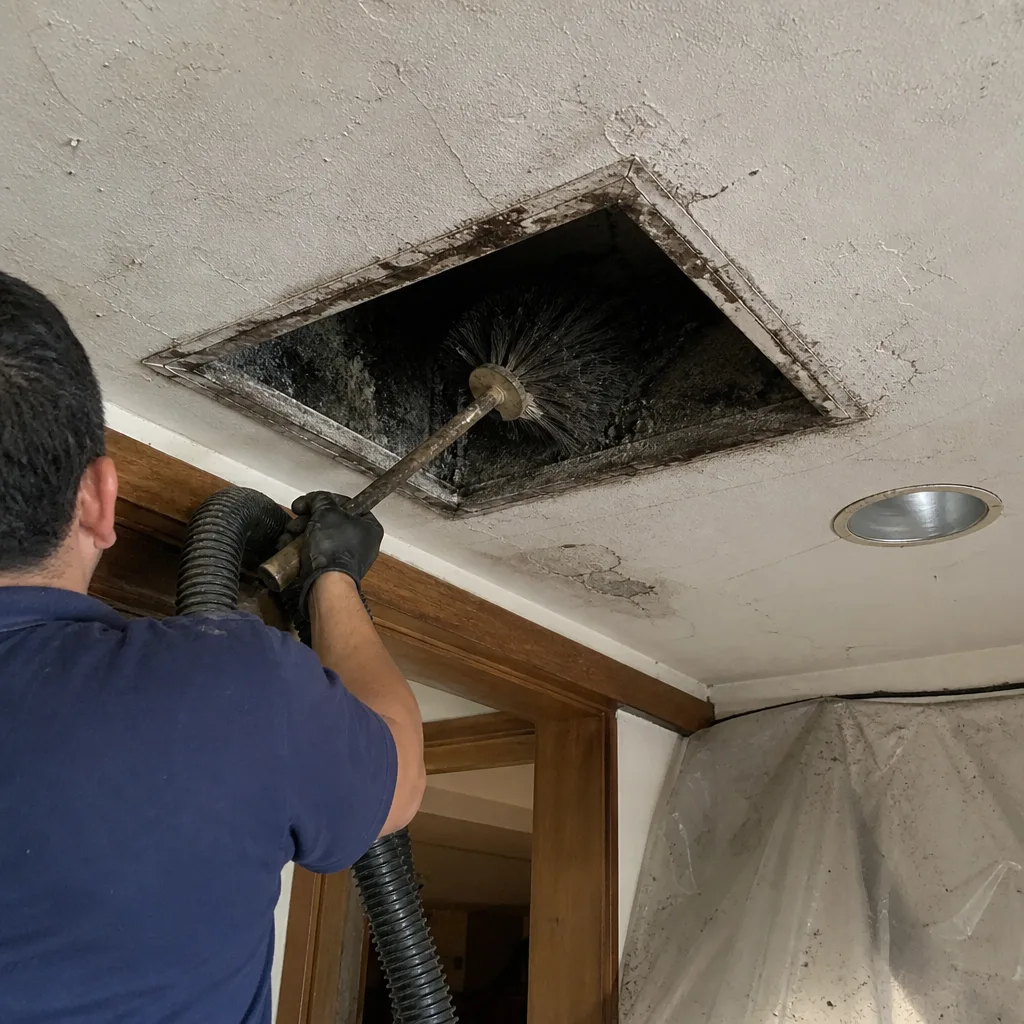 Before
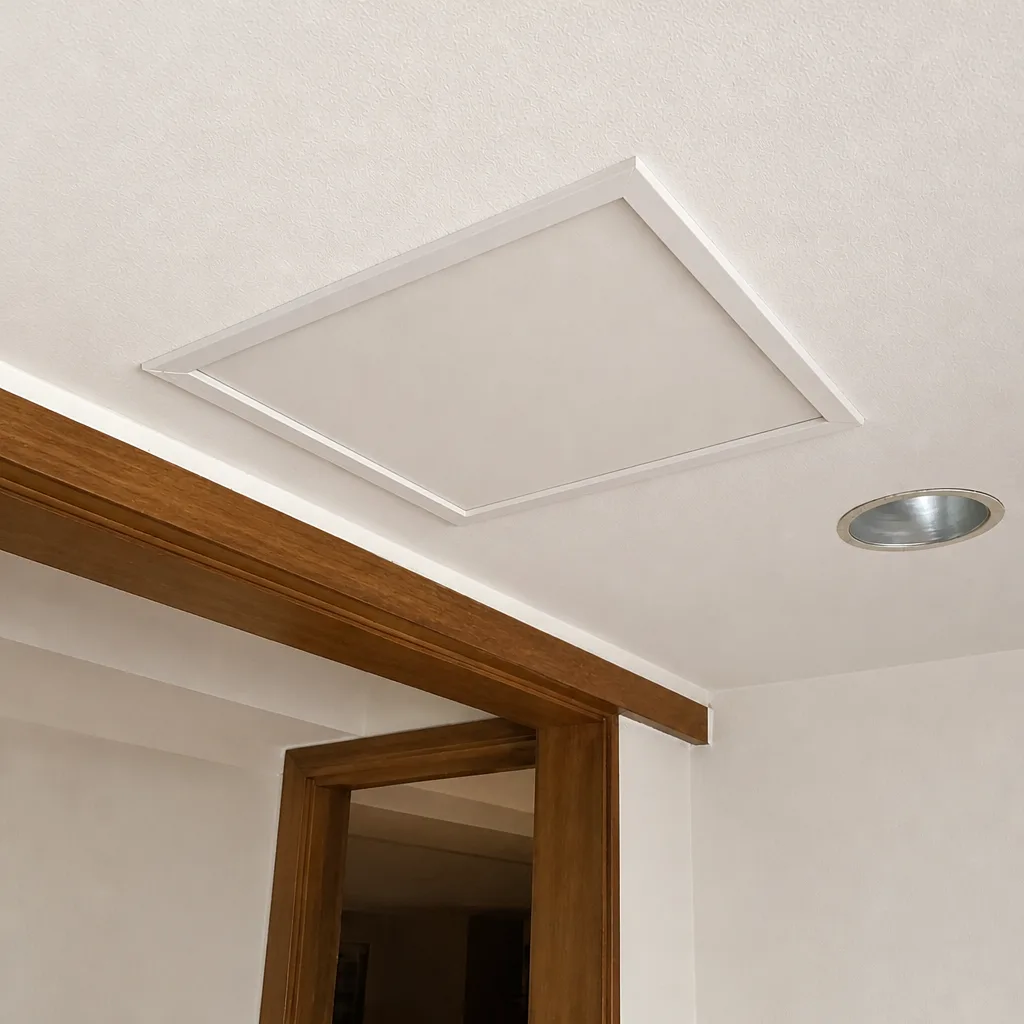 After
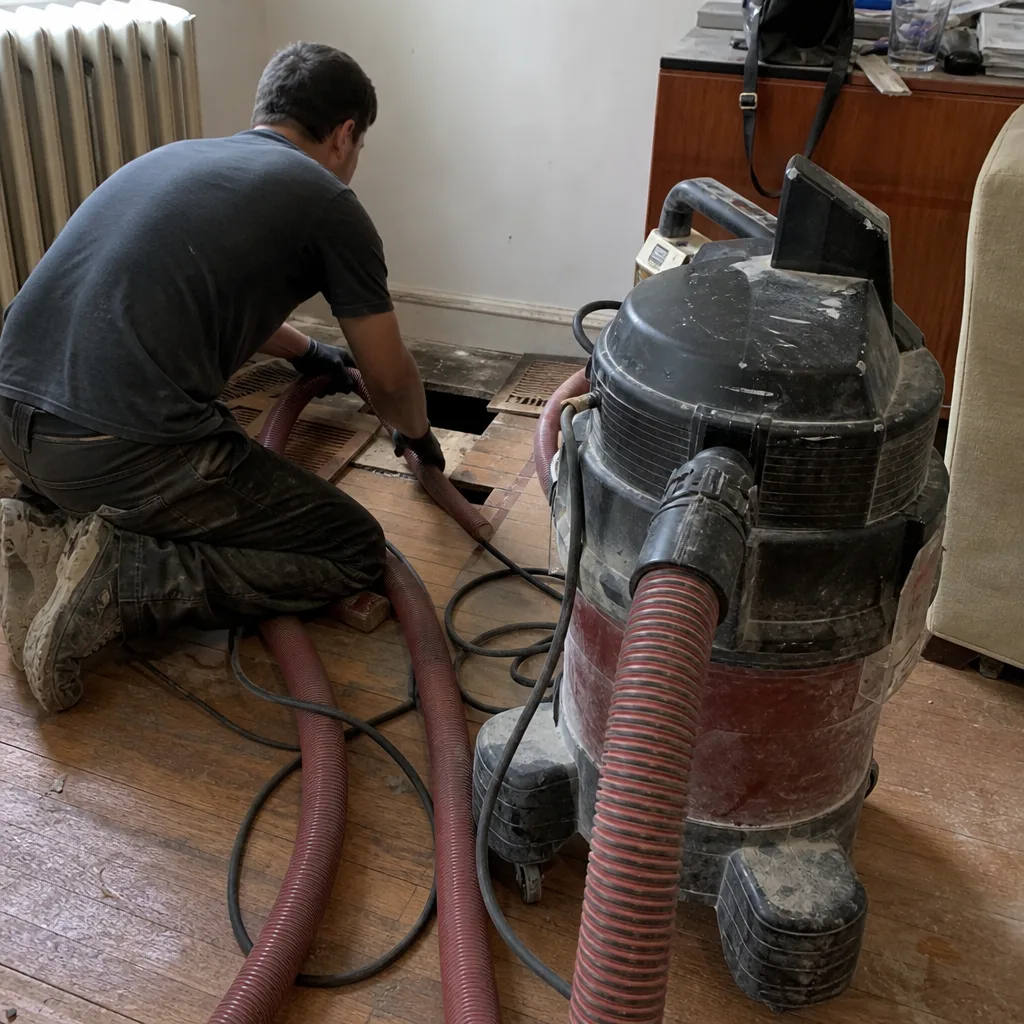 Before
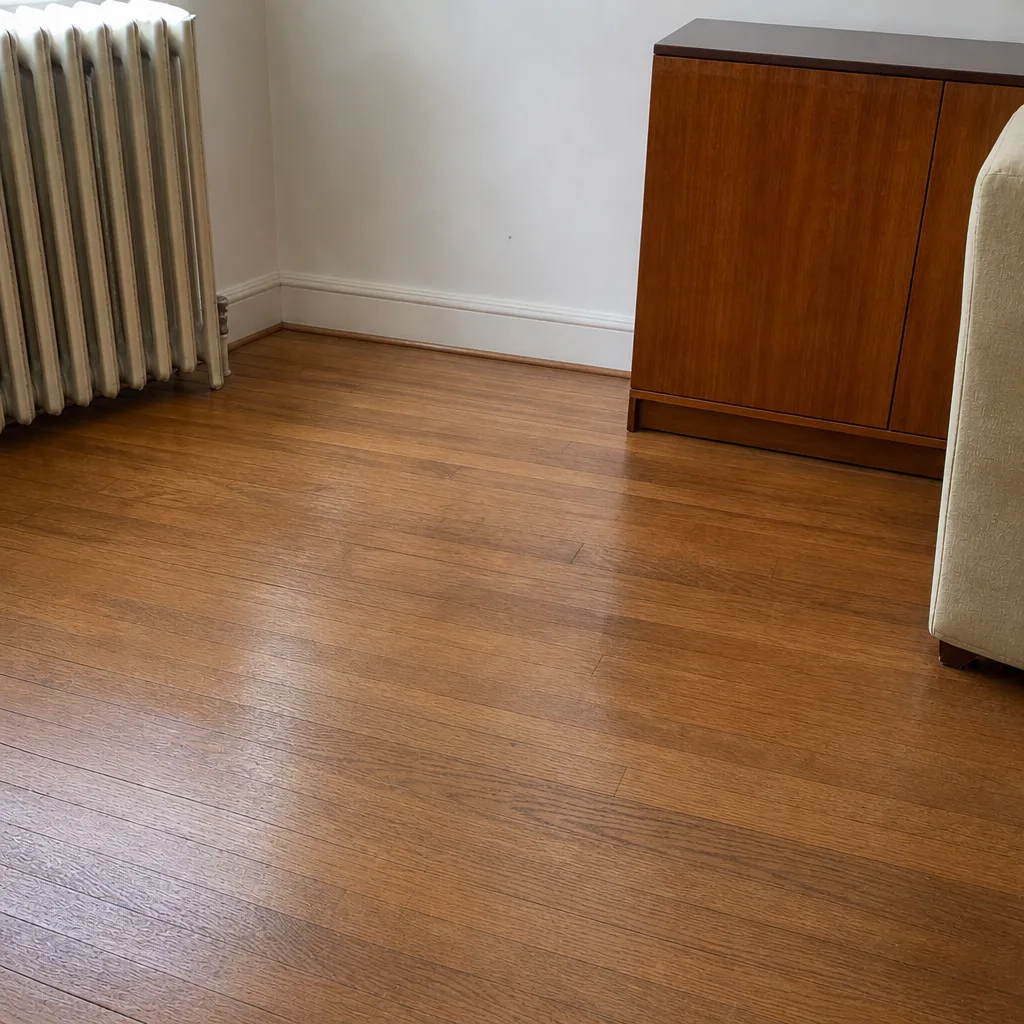 After
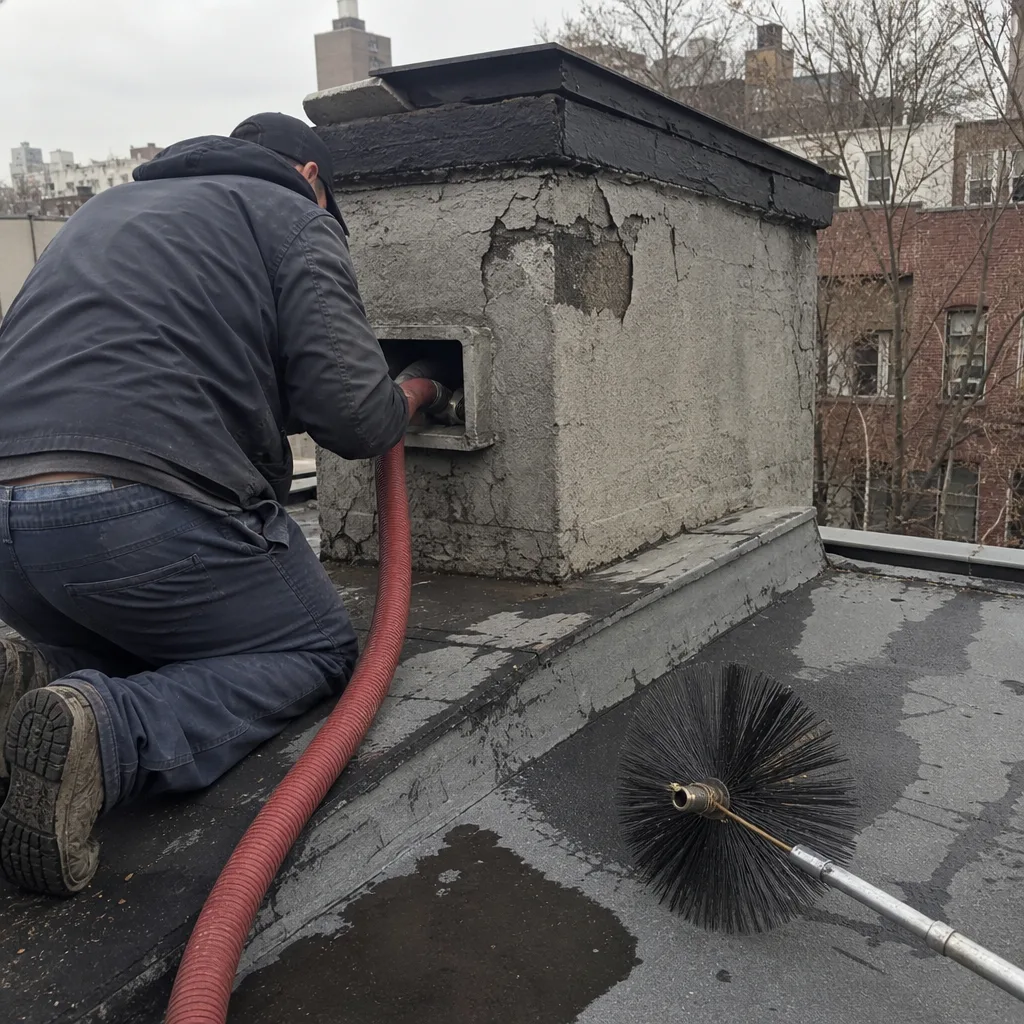 Before
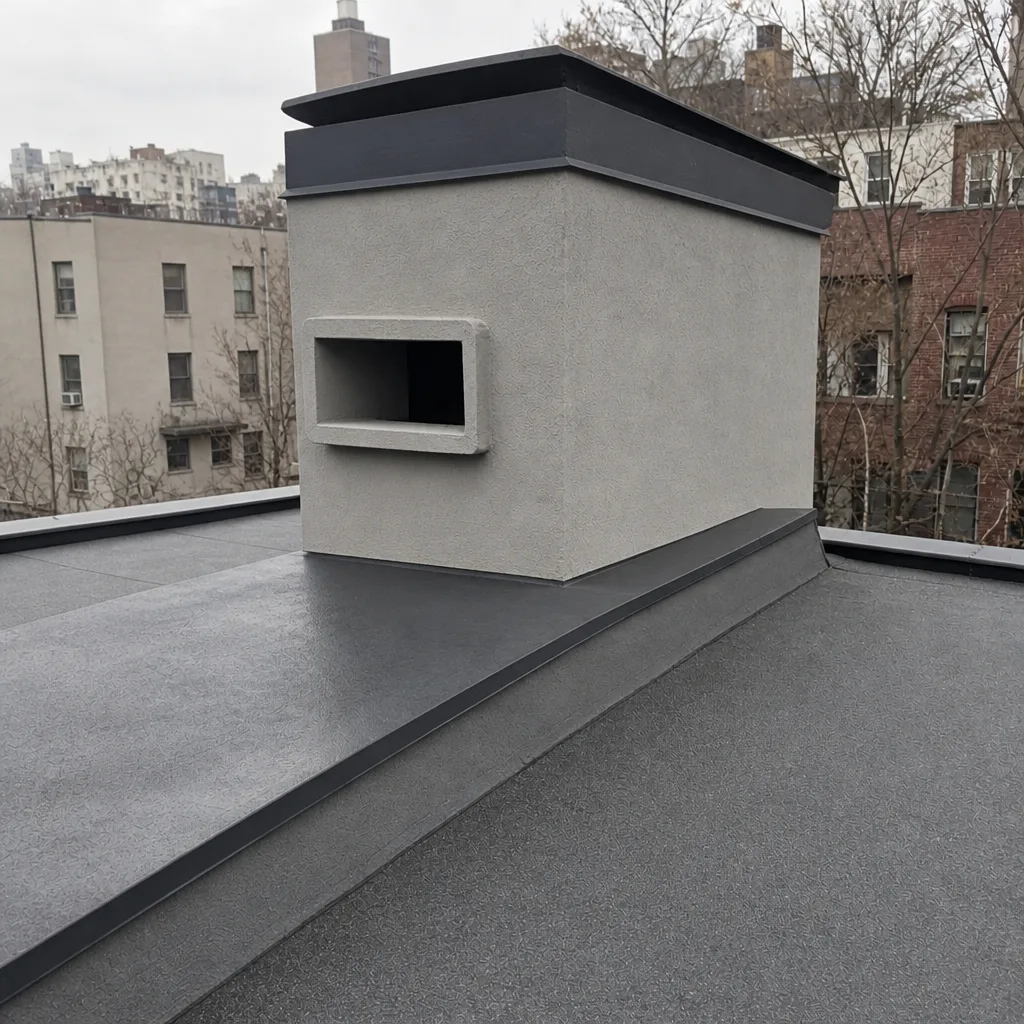 After
When to Call a Professional
Duct cleaning is scheduled work, not an emergency, and the right time to book is when there’s a real reason. Call if you’ve just bought or moved into a place and you don’t know the system’s history. Call if a renovation is underway or recently finished, since drywall and construction dust coat duct interiors in a way a homeowner can’t clear. Call if there’s a musty odor, visible grit on the grilles, or a family member with recurring allergy symptoms that seem worse indoors. Call if the dryer is taking longer than it used to; that points to a lint-clogged vent. And call if a technician or camera has already shown you debris, leaks, or damage. Air Duct Cleaning East Village offers free estimates in East Village – call (855) 952-0316. We answer 24/7. Fast dispatch from 7am to 7pm, Sunday through Friday.
Frequently Asked Questions
Air duct cleaning in East Village typically costs $350 to $700 for a one-bedroom walk-up and $500 to $950 for a two-bedroom, with larger pre-war units and converted lofts at $850 to $1,600. The written estimate sets the final price. Call (855) 952-0316 for an exact quote – estimates are free.
Cheap quotes usually skip the parts of the job that carry real cost: negative air containment, professional equipment, camera inspection, and the time to actually clean each run. A $150 quote often describes a surface pass rather than a full system clean, and sometimes grows once the technician is on site. Call (855) 952-0316 to compare a written scope – estimates are free.
You should receive camera inspection footage and before-and-after photos of your own duct system, not stock images. A reputable contractor documents the condition found and the condition left behind. Ask for this in writing before booking. Call (855) 952-0316 to request a scope that includes documentation – estimates are free.
Most East Village apartments don’t need a full duct clean every year. Every few years is reasonable for a well-kept system, with additional cleanings after a renovation, a move-in, or if water intrusion or visible debris appears. For the dryer vent, more frequent attention is worth it. The dryer vent cleaning service covers that separately. Call (855) 952-0316 for advice on your specific building – estimates are free.
Not automatically. Pre-war walk-ups often cost less than converted lofts because the linear footage is shorter, even though access is harder. The loft’s exposed ductwork is easy to reach but very long to clean, and multi-zone setups add time. Call (855) 952-0316 for a range for your building – estimates are free.
Yes. Duct repair and sealing is one of our core services, so if inspection shows disconnected joints, crushed flex, or leaks, we can seal them in the same visit rather than referring you out. That’s the reason we’d rather inspect first and price the repair into the scope than discover it mid-job. Call (855) 952-0316 to schedule – estimates are free.
The Bottom Line
Duct cleaning pricing in East Village is variable for honest reasons: linear footage, register count, accessibility, and contamination are legitimately different from one apartment to the next. What shouldn’t vary is the structure of the quote. One flat price per system, one written scope, professional equipment, negative air containment, and before-and-after photos of your own ducts. Add-ons like repair and sealing, dryer vent service, and evidence-based sanitizing earn their cost when they follow what inspection actually found, not before. Whether you’re in a pre-war walk-up or a converted loft, use the ranges in this guide as a sanity check, and make the final decision from the written estimate. If you’d like ours, call (855) 952-0316. We answer 24/7. Fast dispatch from 7am to 7pm, Sunday through Friday.
Written by the team at Air Duct Cleaning East Village.