
Last updated November 22, 2026
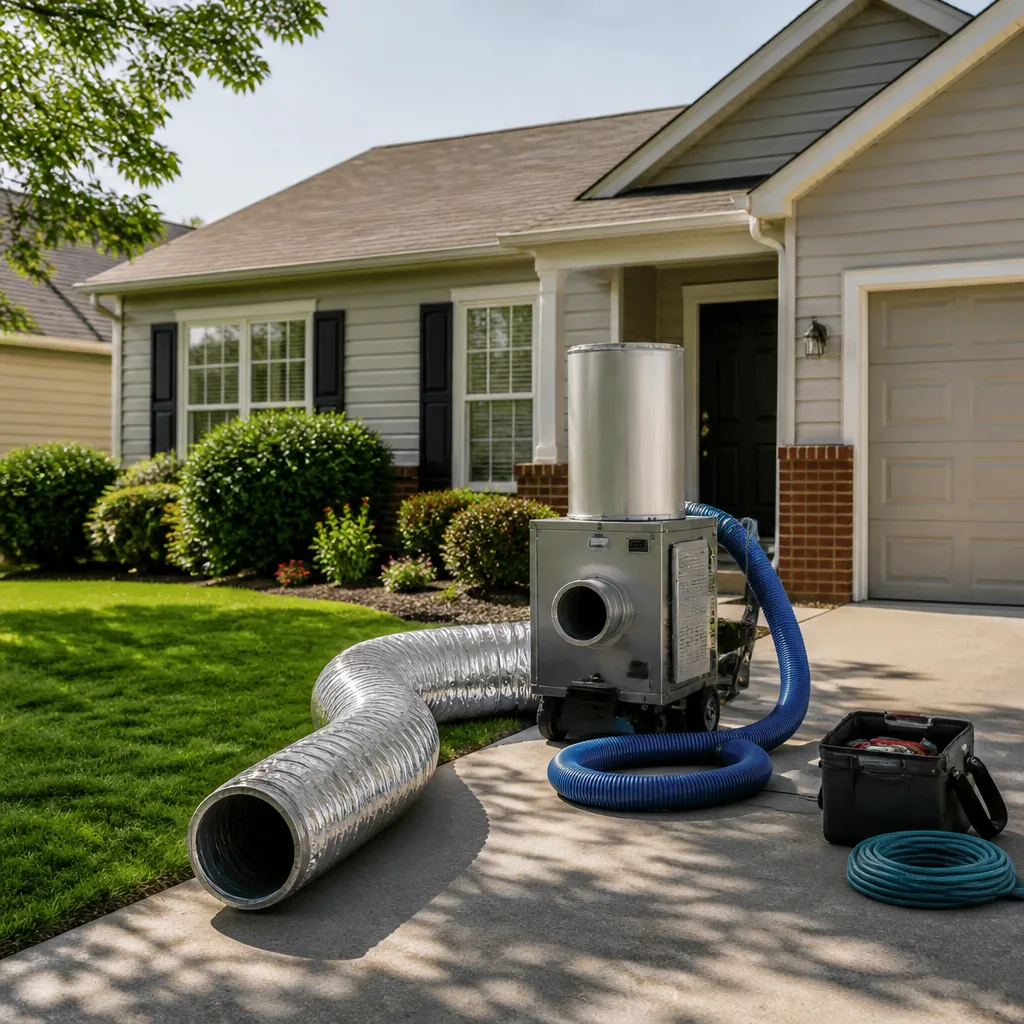 Whole-home duct cleaning
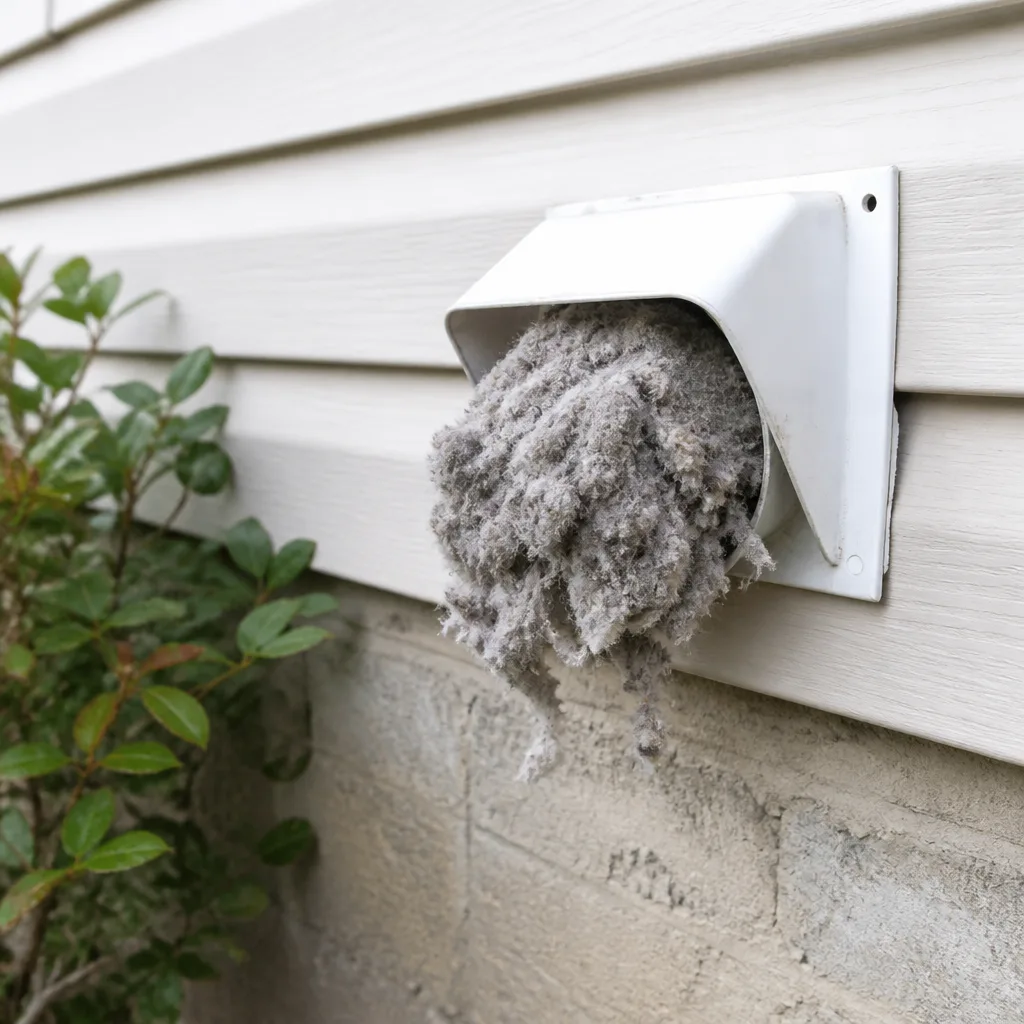 Dryer vent cleaning
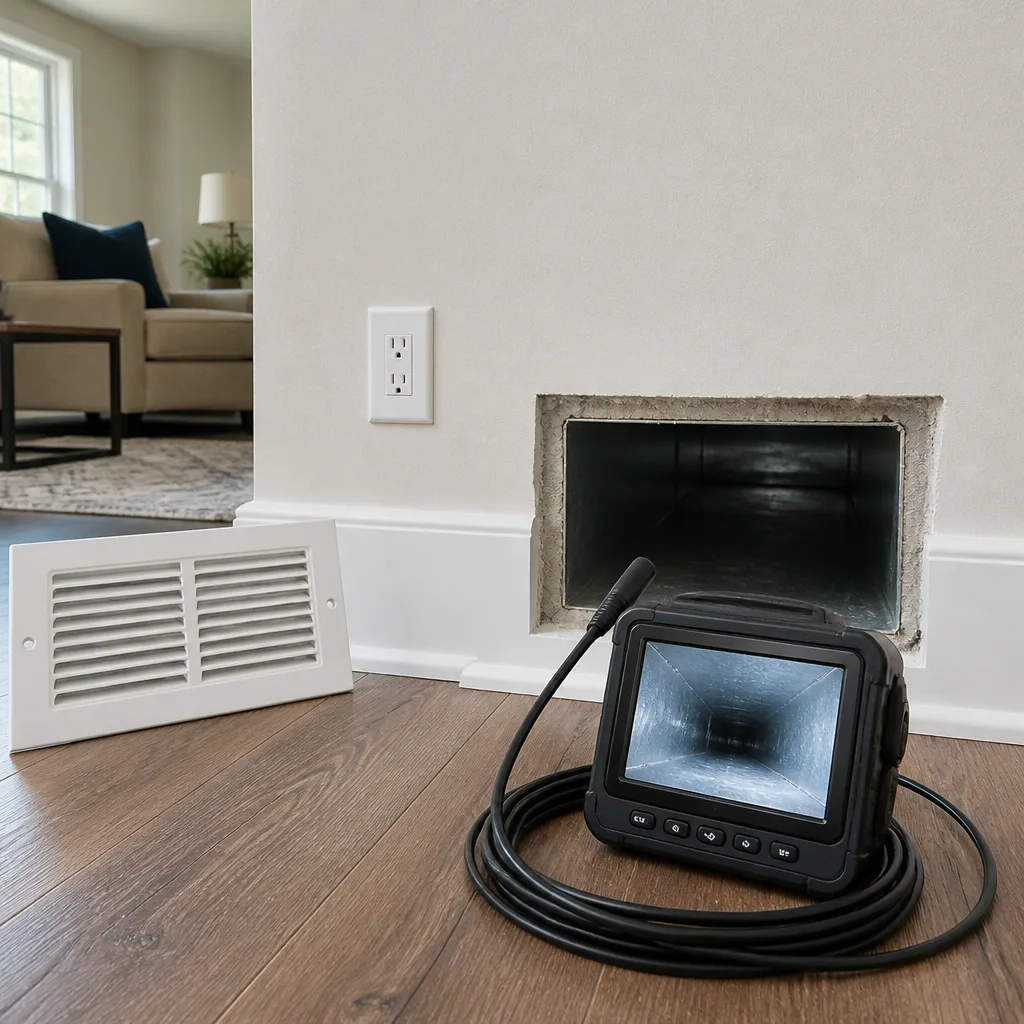 Camera inspection
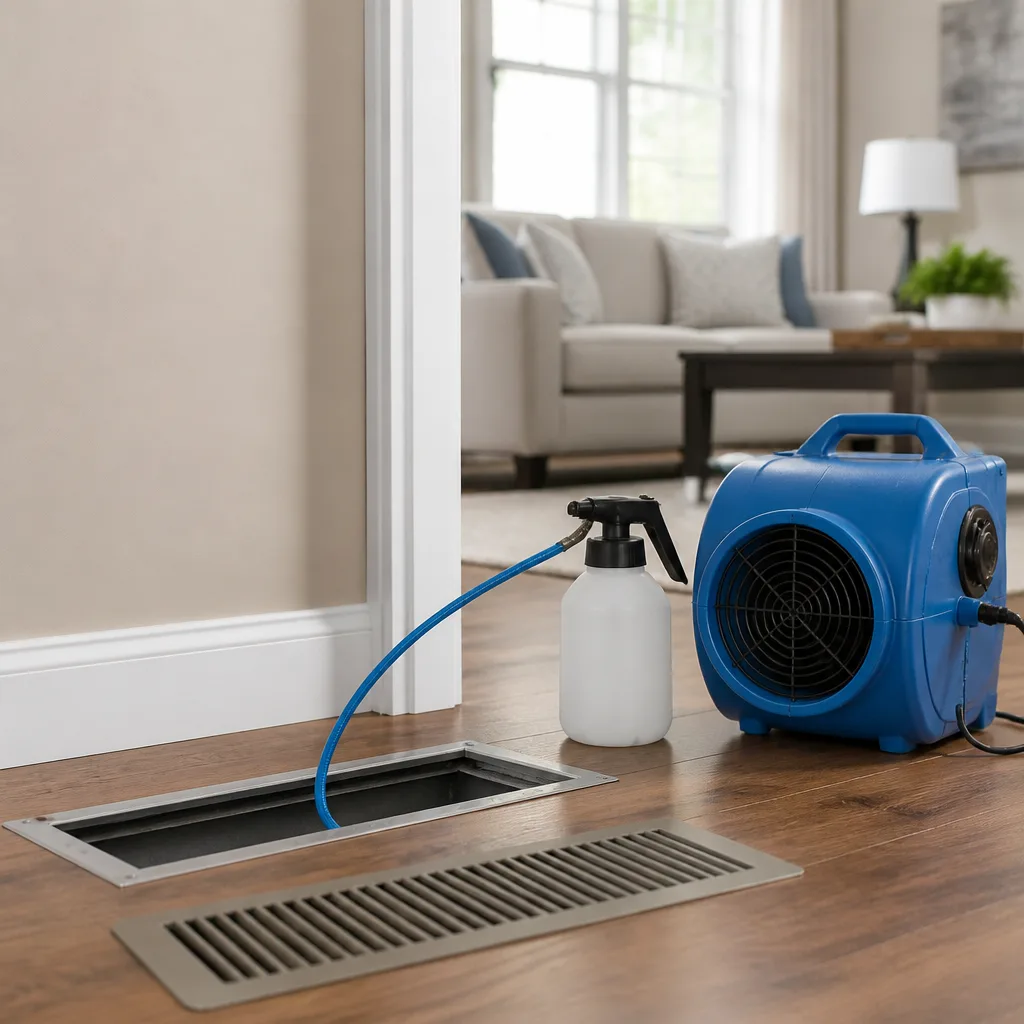 Sanitizing & deodorizing
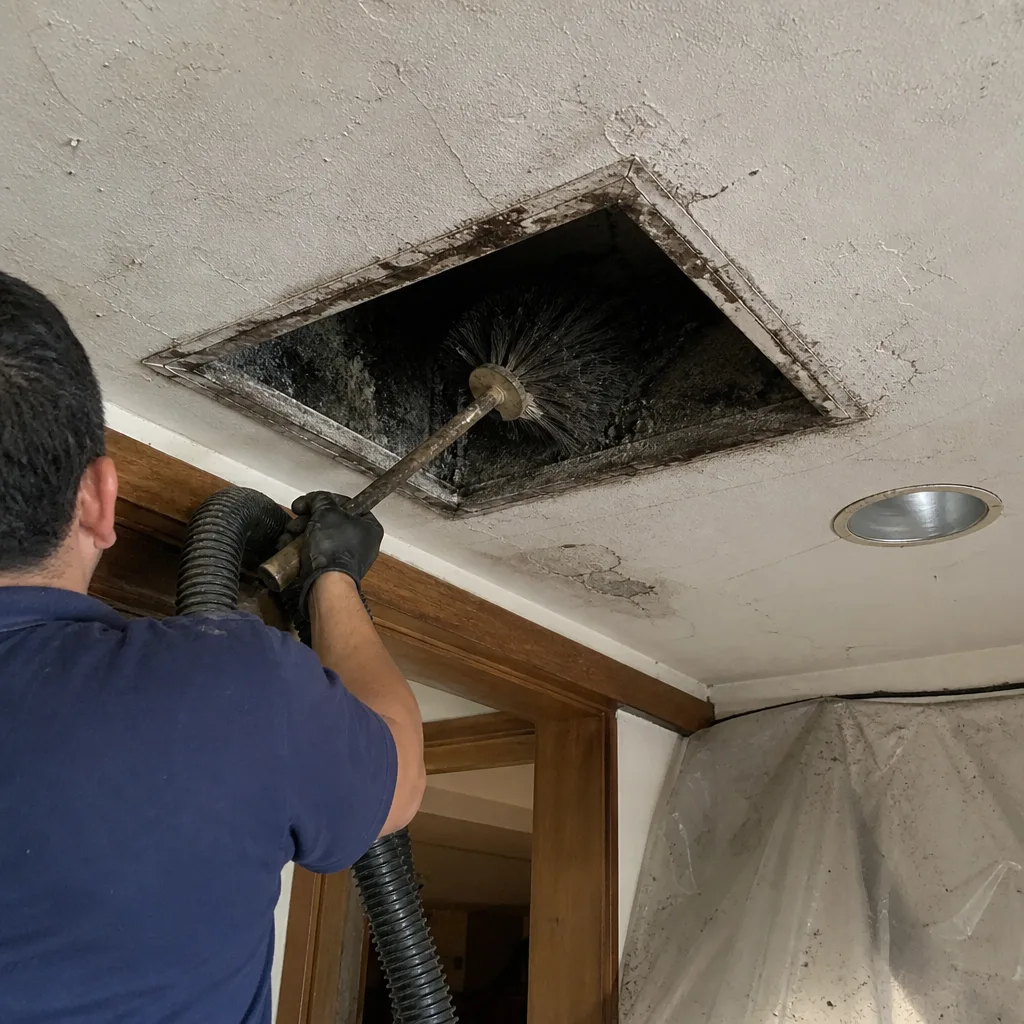
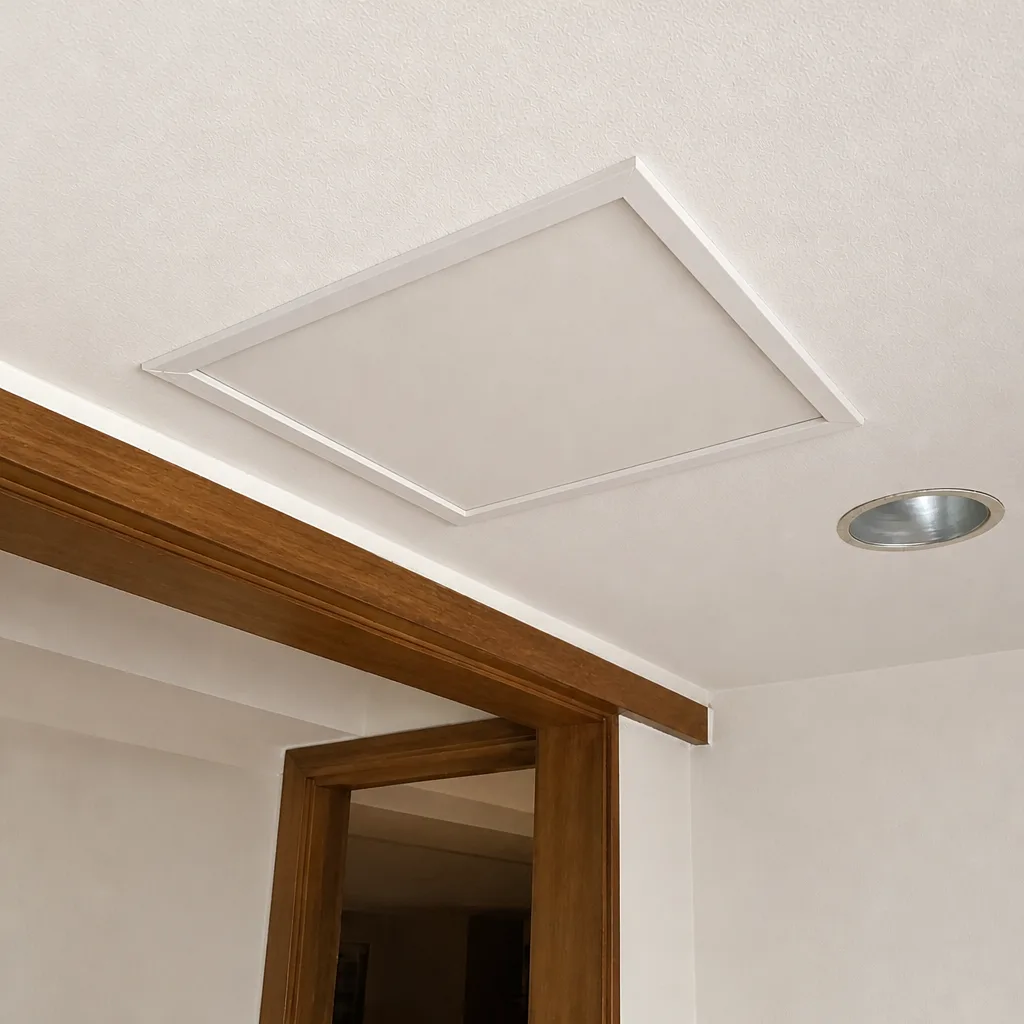
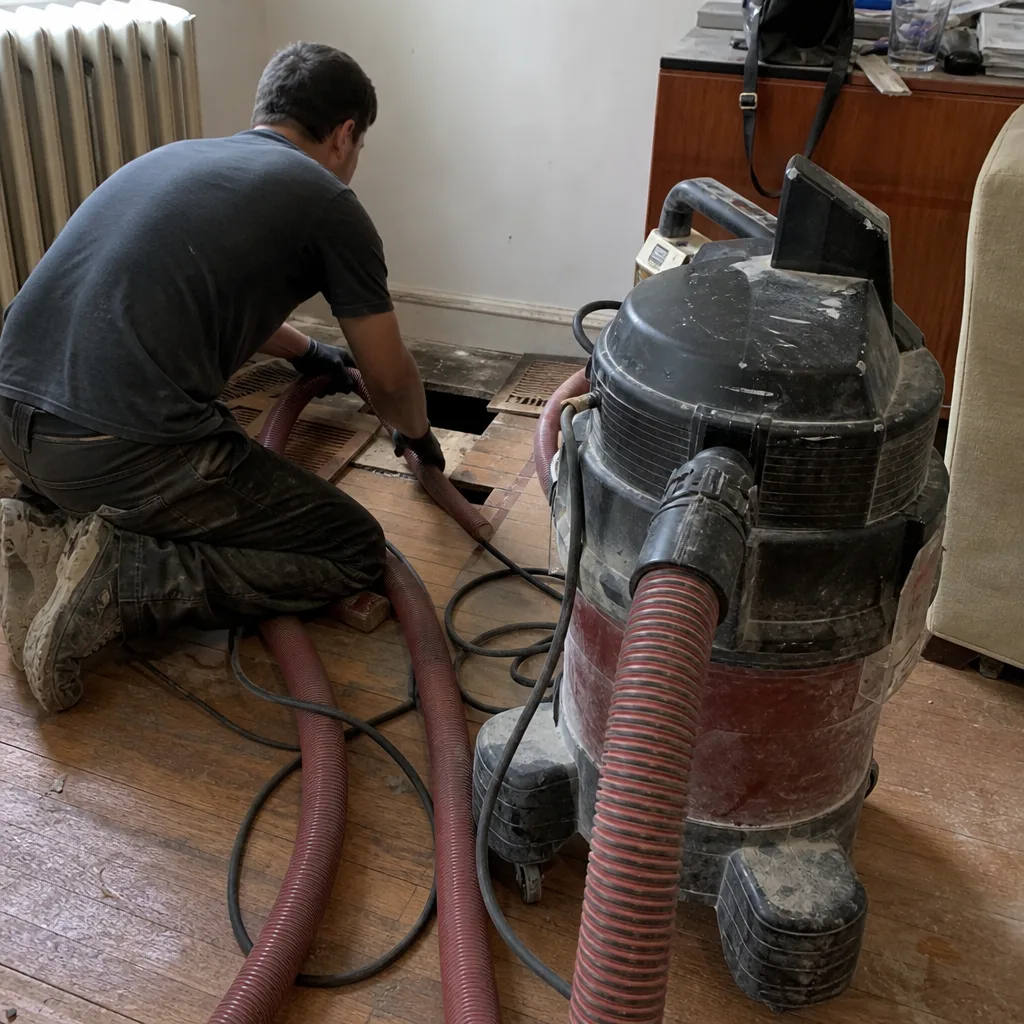
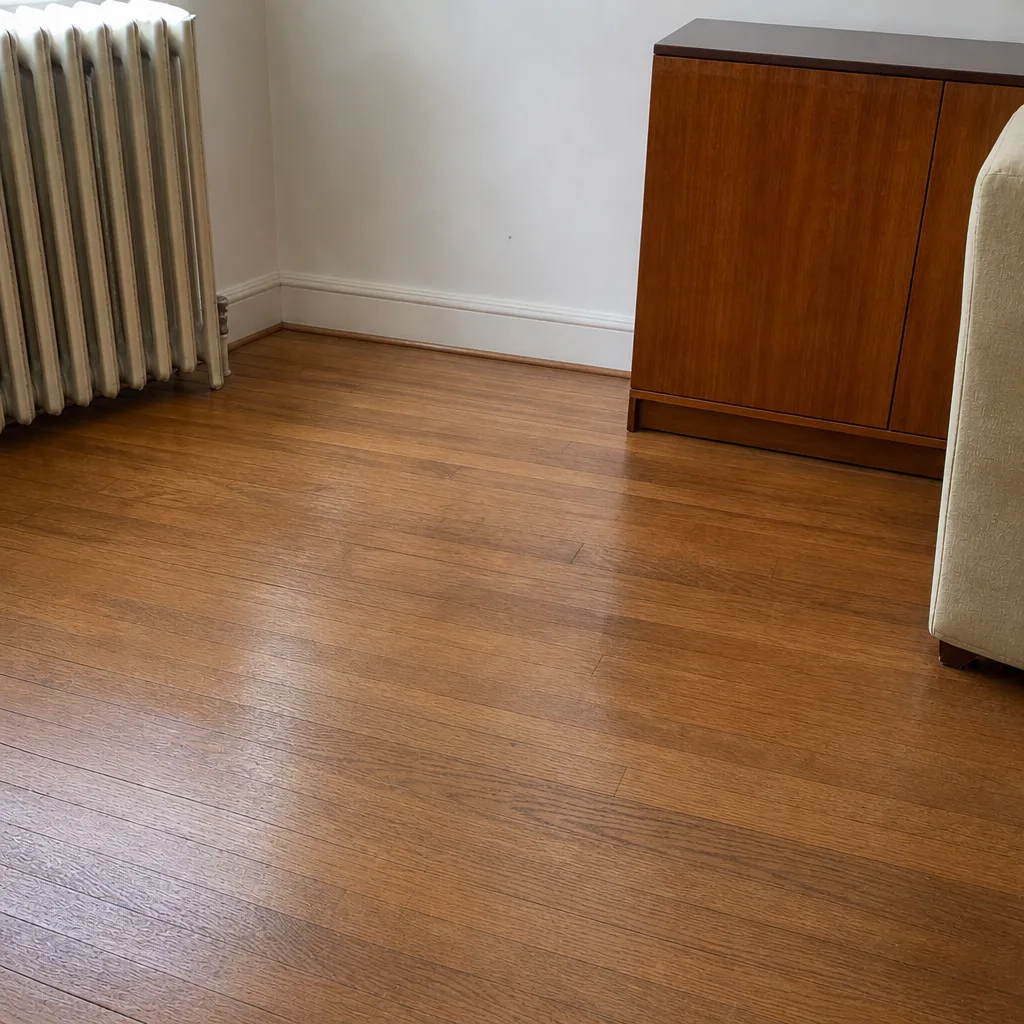
Whole-system duct and dryer vent check with before-and-after photos - you see exactly what came out of your vents
That "$99 whole-house special" is a bait ad - the real number appears once they are in your hallway, or the "clean" is a shop-vac at the register. We photograph the inside of your ducts before and after instead.
Air Duct Cleaning Permits, Codes & Inspections in East Village, NY: What You Need to Know
Most air duct cleaning in East Village doesn’t need a permit, and that’s exactly why so few people ask the question until it’s too late. The cleaning itself is maintenance. But the moment a technician reaches into a duct run and starts sealing joints with mastic, replacing a section of flex, or tying a new register into an existing trunk line, the work can cross into mechanical modification under New York City rules and into your building’s own alteration agreement. In a co-op or condo, that distinction matters more than the cleaning invoice. This guide breaks down where the line sits, which codes apply, and how to document the work so it never becomes a problem at resale.
Quick Answer
Standard cleaning of ducts, registers, and vents in East Village needs no permit from the NYC Department of Buildings; it’s routine maintenance. But repairs that alter duct layout, seal or replace ductwork, or change airflow components can fall under the New York City Mechanical Code and your building’s alteration agreement, and those may require a licensed mechanical contractor, DOB filing, or board approval. Inspections are usually a building or board requirement, not a city one. The safe rule: ask before anyone seals or replaces a duct, and get the scope in writing. Call (855) 952-0316 for a free estimate and a clear scope of what your job actually involves.
Styles & brands we work with
- Whole-home duct cleaning
- Dryer vent cleaning
- Camera inspection
- Sanitizing & deodorizing
Table of Contents
- How do you tell cleaning apart from modification?
- What does the NYC Mechanical Code say about duct systems?
- How do co-op and condo alteration agreements treat duct work?
- Who’s allowed to do the work: cleaner or licensed contractor?
- What does a duct inspection actually cover?
- How should you document duct work for resale?
- What to do, step by step, before work starts
- Common mistakes to avoid
How do you tell cleaning apart from modification?
Cleaning removes what’s inside the duct. Modification changes the duct itself. That single distinction is the hinge this entire guide swings on, and in our experience it’s the one most East Village homeowners never hear explained before the truck shows up.
Cleaning is a maintenance act. Technicians put a negative-pressure vacuum on the system, agitate the interior surfaces with rotary tools and air whips, and pull the loosened debris into a HEPA-filtered collection unit. Nothing about the duct system changes. No joints are opened and sealed, no sections are cut, no components are swapped. Using professional-grade equipment like Rotobrush or Nikro systems, the run goes back into service exactly as it was found, only cleaner. That’s true whether you’re in a walk-up on East 9th Street or a converted loft off Avenue B.
Modification is construction. The moment the work changes how the duct system is built, moves air, or connects, it can cross into mechanical work:
- Sealing joints, seams, or penetrations with mastic or approved tape
- Replacing or rerouting a flex run, trunk section, or branch
- Cutting in a new register, return, or exhaust connection
- Resizing, relocating, or removing ductwork
- Changing a component that affects airflow or fire separation
That’s not a technicality. In a prewar East Village building, ducts often run through rated assemblies, share chases with other units, or connect to a central exhaust stack. Sealing one joint can be maintenance. Opening a chase wall to reseal a trunk line is a construction scope that touches firestopping and may touch the building’s alteration review. Duct repair and sealing is a real service and often needed. But knowing which side of the line you’re on before anyone starts is what keeps the job clean.
What does the NYC Mechanical Code say about duct systems?
New York City’s Mechanical Code, Chapter 6, governs HVAC duct systems: how ducts must be constructed, supported, sealed, insulated, and installed, and how they connect to the building’s fire and smoke systems. Cleaning doesn’t fall under Chapter 6. Repairing or modifying a duct system can.
The code exists so that duct systems stay sealed, supported, and safe. Chapter 6 covers things like duct material and thickness, joint and seam sealing requirements, support spacing, and the fire-related requirements for ducts that pass through or connect to rated construction. When a contractor seals a leaky trunk line, replaces a collapsed flex run, or ties in a new return, the result needs to meet those rules if it’s a mechanical alteration. Getting it wrong tends to show up later: a failed inspection, a callout in a home sale contract, or a board that questions why a chase wall was opened.
Here’s how the practical map usually goes in East Village:
- Duct cleaning alone: no NYCMechCode Chapter 6 trigger, no DOB filing
- Sealing small joints or seams as an ancillary step: often treated as maintenance, but read your building rules first
- Replacing or rerouting a run, cutting new openings, or altering a chase: a mechanical alteration that can require DOB oversight
- Work in a co-op or condo unit: board or alteration agreement rules apply on top of the city rules
One local wrinkle: East Village buildings span a wide range from tenements to newer construction off Delancey, and older buildings often have duct systems that were retrofitted rather than designed. That makes the “is this repair or modification” question more common here than in newer suburbs, because a run that was added after the fact rarely matches what the code assumed.
If you’re planning cleaning and want to know whether the system also needs repair and sealing, Air Duct Cleaning East Village covers the scope we work to. If you’re simply deciding whether you need the cleaning, the air duct cleaning page lays out what a visit includes.
How do co-op and condo alteration agreements treat duct work?
Co-op and condo alteration agreements vary building to building, but they share a common habit of defining what counts as a “modification” to building infrastructure, and duct systems almost always fall inside that description. In many East Village co-ops, sealing a joint with mastic or approved tape can trigger an alteration review if the work touches a shared duct run or the building’s mechanical infrastructure.
Boards write these clauses to protect the building’s systems and the neighbors downstream. A few clauses to look for before any duct work is scheduled:
- Scope definition: does the agreement list HVAC or duct system work under “alteration” or “structural modification”?
- Approval requirements: does the work need board approval, a management-agent signoff, or a licensed contractor’s letter before starting?
- Contractor qualifications: some agreements require the contractor to carry specific insurance or licensing for mechanical work.
- Insurance and damage waiver: coverage amounts and proof requirements for any work inside the unit
- Window and vent changes: any new exterior vent or register placement, which often needs its own review
- Restoration requirements: who repairs the wall or ceiling after the work, and to what standard
Commonly, the alteration agreement draws a line at anything that opens a wall, touches a chase, or connects to a shared system. Small repairs inside a single unit’s own ductwork may be fine, but the exact threshold is the board’s to define, not a cleaning company’s. That’s why we tell East Village customers to pull their alteration agreement out before, not after, a technician finds a leak. A scope of work written the wrong way can void the agreement you signed at closing.
If you’re a property manager lining up work across multiple units, the earliest step is usually a walkthrough with the building’s rules in hand. A HVAC cleaning scope is easier to present to a board when it’s clearly separated from repair work, since the cleaning itself doesn’t touch building infrastructure.
Who’s allowed to do the work: cleaner or licensed contractor?
The line falls between cleaning and mechanical work. Cleaning does not require a licensed mechanical contractor; a trained duct cleaning technician can do the full cleaning scope. But repair or modification of ductwork, especially when it touches the building’s HVAC system or fire assemblies, is mechanical work, and in many East Village co-ops and condos that work needs a licensed NYC mechanical contractor or a properly licensed and insured contractor named in the alteration agreement.
That’s not about who’s better at the cleaning side. It’s about what each job legally is. In our experience, most homeowners only find out they had the wrong contractor after a board or an inspector asks for a licensed contractor’s certificate and there isn’t one. The cleaner covers the cleaning; the licensed contractor is the one who signs off on mechanical changes. When you hire a company that handles both cleaning and repair and sealing, ask specifically who’s doing which part and whether the repair portion meets your building’s requirements.
Think about this as three separate roles:
- Duct cleaning technician: removes debris, agitates, vacuums, confirms the system’s condition. No license needed for cleaning.
- Licensed mechanical contractor: performs the repair, modification, or code-related work that touches the building’s mechanical system.
- Building boards and management: approve the scope, name their own requirements, and often ask for the licensed contractor’s letter before work starts.
Professional equipment makes a difference here. A Rotobrush or Nikro system gets a duct clean without opening seams, which is precisely why the cleaning side never trips the alteration agreement. Abatement Technologies equipment is on hand for containment-level work when a system has contamination issues that need a controlled approach. But when a duct repair is needed, the question shifts from equipment to licensing, and the honest answer at that point is to confirm your building’s rules before we start.
What does a duct inspection actually cover?
An inspection in East Village is usually a building requirement or a pre-purchase step, not a city one. The NYC Department of Buildings inspects what permits cover, but it doesn’t inspect the inside of residential ducts. Something like a board-mandated inspection or a home inspection at sale is a private inspection.
What a duct-focused inspection covers:
- Condition check: duct material, joints, and connections, looking for leaks, disconnects, or damage
- Contamination assessment: visible buildup, moisture, or pest activity inside the ducts
- Airflow check: uneven flow at registers, which points to leaks or blockages
- Vent termination: where ducts and exhausts go, particularly dryer vents (a common concern in older East Village buildings)
- Documentation: photos of what was found, which is key for boards and for resale
What it doesn’t cover: structural changes, code compliance of a recently modified system, or a “pass/fail” from the city. Some boards accept a cleaning company’s condition report and some require their own inspector. Either way, before-and-after photos of the actual ducts are the most useful kind of documentation, and we take them on every cleaning job. Dryer vent cleaning in East Village is its own service with its own risks, and a proper dryer vent cleaning is often what a board is checking for. See our dryer vent cleaning page if your building asks about lint buildup or vent routing.
How should you document duct work for resale?
In East Village, duct work documentation matters most at two moments: when a buyer’s inspection asks what was done and when a co-op board reviews a unit’s history. The short version: keep a paper trail, keep real photos, and keep the scope in writing.
A resale-safe duct work file usually holds these items:
- A written estimate and scope: what was cleaned, and any repairs specified as repairs
- Before-and-after photos: inside the ducts, dated, showing condition change
- Service summary: clear description of the work actually performed
- Manufacturer documentation: if an air quality product was installed, such as a Honeywell or Aprilaire filtration unit or an Aprilaire dehumidifier, keep the product manuals and installation record
- Alteration-agreement records: board approval for any modification, plus any licensed contractor letter
- Dates: cleaning date, repair date, and any post-repair walkthrough
This is where a whole-house approach pays off. A cleaning-only job documents cleaning. A job that includes repair and sealing, an installed filter, and a sanitizing step produces a file that answers the buyer’s question completely. Aprilaire and Honeywell air quality products, plus Guardsman equipment where used, each come with paperwork worth keeping. When a sale contract asks for “a clean, well-maintained duct system,” a dated before-and-after file is the clearest answer.
For a longer plan, treat the file as part of home maintenance and update it with each cleaning. A duct system that has regular documentation is easier to resell and easier to hand to a buyer’s inspector.
What to do, step by step, before work starts
The steps below keep a cleaning job out of trouble and keep a repair job inside the rules. Work through them in order, and in most East Village buildings the scope will be clear before anyone books the job.
- Read your alteration agreement. Pull the co-op or condo alteration agreement and check whether duct, HVAC, or mechanical work is defined as a modification. This is the single most useful five minutes you can spend before scheduling.
- Confirm what you want. Cleaning, dryer vent, HVAC, repair and sealing, or air quality and sanitizing. Each has a different legal footprint, and mixing them in one booking obscures that.
- Get a written scope. The estimate should separate cleaning from any repair or modification. If it doesn’t, ask for it to be rewritten in that form.
- Ask who’s doing the work. For cleaning, a trained technician is fine. For repair or modification, ask whether the scope needs a licensed NYC mechanical contractor and whether the building requires one.
- Check with the board or management agent. If the building requires approval, apply before the appointment, not after. Many boards want the scope and the contractor’s insurance before the job is scheduled.
- Ask for documentation. Before-and-after photos, a dated service summary, and product paperwork for any installed air quality equipment.
- Keep the paperwork together. Build the file as you go rather than trying to reconstruct it years later.
We handle the cleaning side with professional-grade equipment and can supply and install Honeywell and Aprilaire systems in the same visit, which is genuinely useful when your building asks for a filtration upgrade along with the cleaning. If a leak shows up, we seal it on the spot within the cleaning scope, and any repair that crosses into mechanical work gets flagged and routed through your building’s rules before it’s started. That’s a cleaner answer in the long run than a quick fix nobody documented.
Common Mistakes to Avoid
These are the missteps we see most often in East Village, usually discovered after the invoice, after the wall is open, or after a buyer’s inspector asks a question. A few minutes on the front end avoids all of them.
- Assuming a permit covers everything. Cleaning needs no permit; a repair changing the duct layout can need DOB oversight. Treat them as two separate jobs with two separate answers, and don’t let a “permit not required” line in the estimate end the conversation.
- Ignoring the alteration agreement. Boards write duct and HVAC clauses into their agreements, and in a prewar building those clauses often matter more than the cleaning invoice. Read the agreement before anyone seals a joint or opens a chase wall.
- Hiring a cleaner for what is really mechanical work. A trained technician can clean. A duct repair that touches the building’s mechanical system likely needs a licensed NYC mechanical contractor, and a building that asks for one won’t accept a cleaner’s signoff.
- Skipping the written scope. A verbal “we’ll clean and fix anything we find” has no legal or documentation use. Get the estimate in writing with cleaning and repair listed separately.
- Skipping photos. Before-and-after photos are the single most valuable record of duct cleaning, and without them a buyer’s inspector and a co-op board both have nothing to look at. Ask for photos on every job.
- Letting a repair go undocumented. In a building where duct modifications are covered by the alteration agreement, an undocumented repair is the easiest way to create a disclosure issue at resale. File the work order and the licensed contractor letter together.
- Confusing dryer vent cleaning with duct cleaning. They’re separate services with different risks, and in East Village buildings the dryer vent is often the one boards ask about. Make sure the scope says which one you’re getting.
See the difference
 Before
 After
 Before
 After
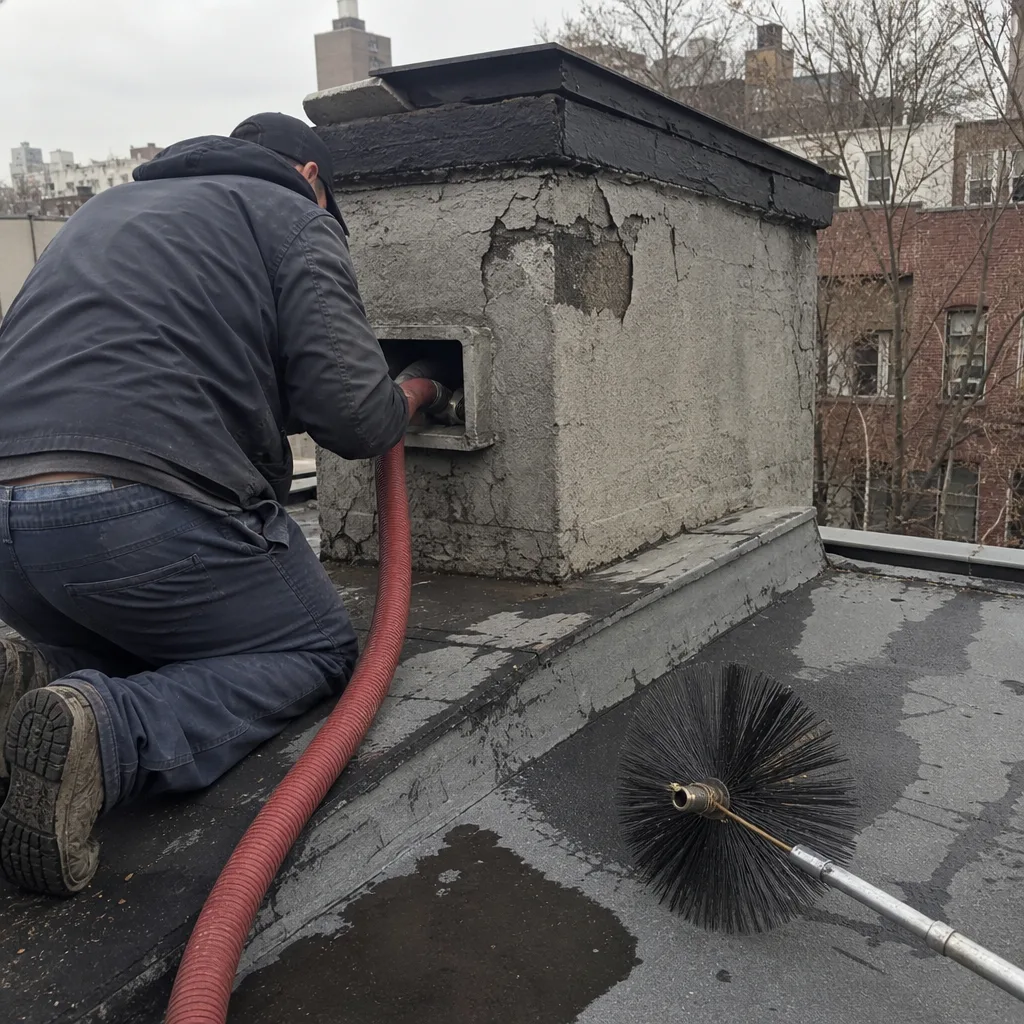 Before
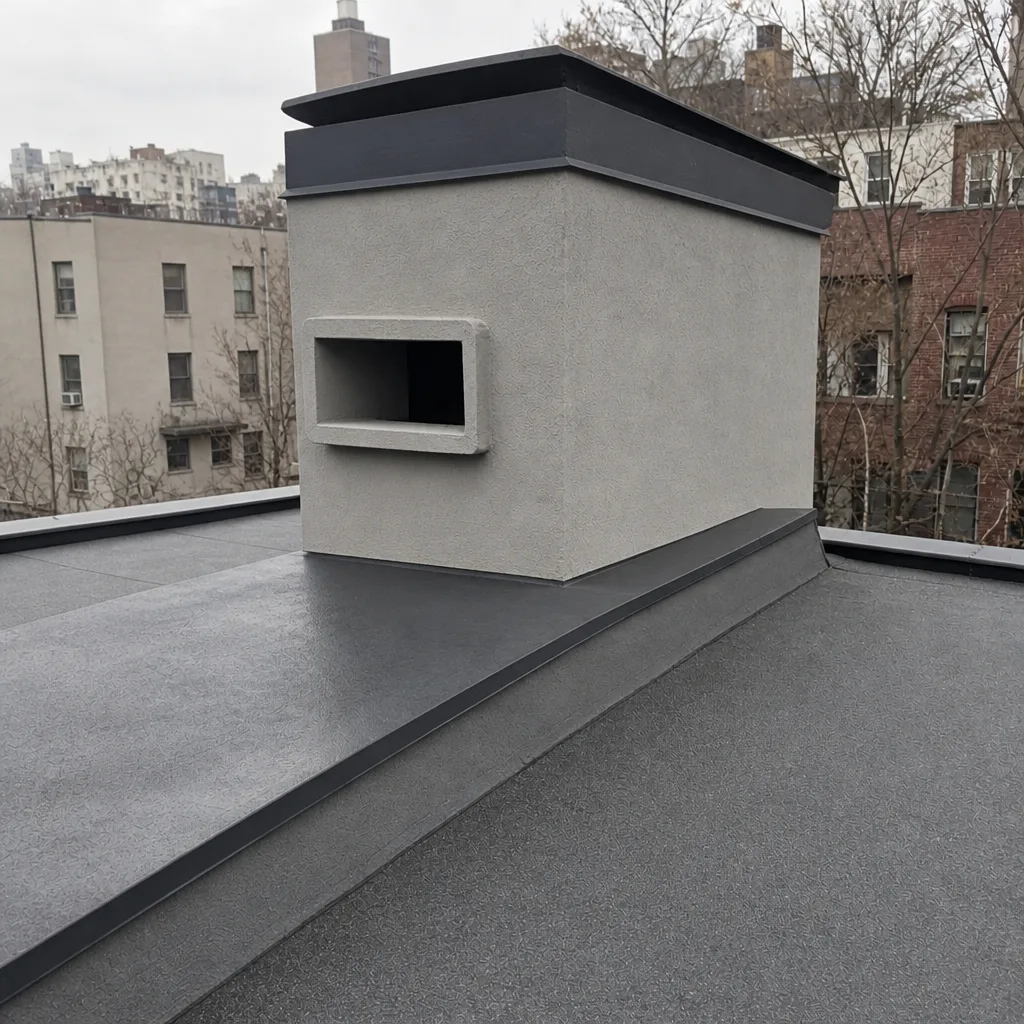 After
When to Call a Professional
Call a professional when the work crosses into anything a technician can’t safely handle: visible damage to a duct run, a duct that’s separated at a joint, unexplained airflow loss at more than one register, moisture or mold inside the ducts, or a building that is asking whether a modification was permitted. Duct sealing and repair should be planned with the building’s rules in hand, not improvised in the middle of a cleaning appointment. If your duct system has never been cleaned or documented, the cleaning plus a written report is the right starting point.
Air Duct Cleaning East Village offers free estimates in East Village. Call (855) 952-0316. We answer 24/7. Fast dispatch from 7am to 7pm, Sunday through Friday. Our technicians have up to 15 years of experience, and we work with professional-grade equipment including Rotobrush and Nikro systems, so the cleaning scope and the repair scope are clearly separated before anything gets scheduled.
Frequently Asked Questions
No. Standard air duct cleaning in East Village and across New York City doesn’t require a permit from the NYC Department of Buildings, because cleaning is maintenance and doesn’t alter the duct system. Permits and DOB oversight can come into play for repairs or modifications that change duct layout, sealing, or connections. Call (855) 952-0316 for a free estimate and we’ll tell you which side of the line your job sits on.
It can, depending on what’s being sealed and where. Small joint or seam sealing is often treated as maintenance, but sealing that touches a shared duct run, a chase, or a fire assembly can be a mechanical modification. Your co-op or condo alteration agreement may define this more strictly than the city does. Call (855) 952-0316 to talk through the scope before anything gets sealed.
No. There’s no city law mandating residential air duct cleaning in East Village. Requirements usually come from your building’s board, a home sale inspection, or a property manager’s maintenance schedule, not from the city. That’s why the cleaning decision is best made on condition, not on a legal deadline. Call (855) 952-0316 for a free condition check.
Whole-system cleaning in East Village typically falls in a mid-hundreds range per system, with final cost set by the written estimate after a walkthrough of the actual system. We price one flat price per system, never per vent, and we take before-and-after photos of your own ducts on every job. Call (855) 952-0316 for an exact quote, and estimates are free.
Cheap quotes are usually cheap because they’re per-vent teaser prices that don’t cover the full system, or because they use shop vacuums instead of professional-grade equipment. The price on the invoice is set before work starts with us, one flat price per system. If a quote looks unusually low, ask what’s covered and what happens when a repair is found. Call (855) 952-0316 and we’ll walk you through the difference.
Ask for before-and-after photos of your own ducts, taken during the job, plus a written service summary. With us, photos are part of the standard record, and if a duct repair is needed we document that separately and flag anything that touches your building’s alteration rules. Call (855) 952-0316 to book a cleaning and get the documentation with it.
The Bottom Line
Air duct cleaning in East Village is maintenance, and maintenance needs no permit. The complexity starts when cleaning turns into repair. That’s the line to watch: cleaning stays inside the duct, repair changes the duct. Cross that line and the New York City Mechanical Code and your co-op or condo alteration agreement both come into play, and the licensed NYC mechanical contractor question needs an answer before the work starts. Get the scope in writing, separate cleaning from repair, check the alteration agreement first, and keep the photos and paperwork together. Do that and the job stays clean, well-documented, and easy to explain at resale. Call (855) 952-0316 for a free estimate. We answer 24/7. Fast dispatch from 7am to 7pm, Sunday through Friday.
Written by the team at Air Duct Cleaning East Village.