
Last updated November 22, 2026
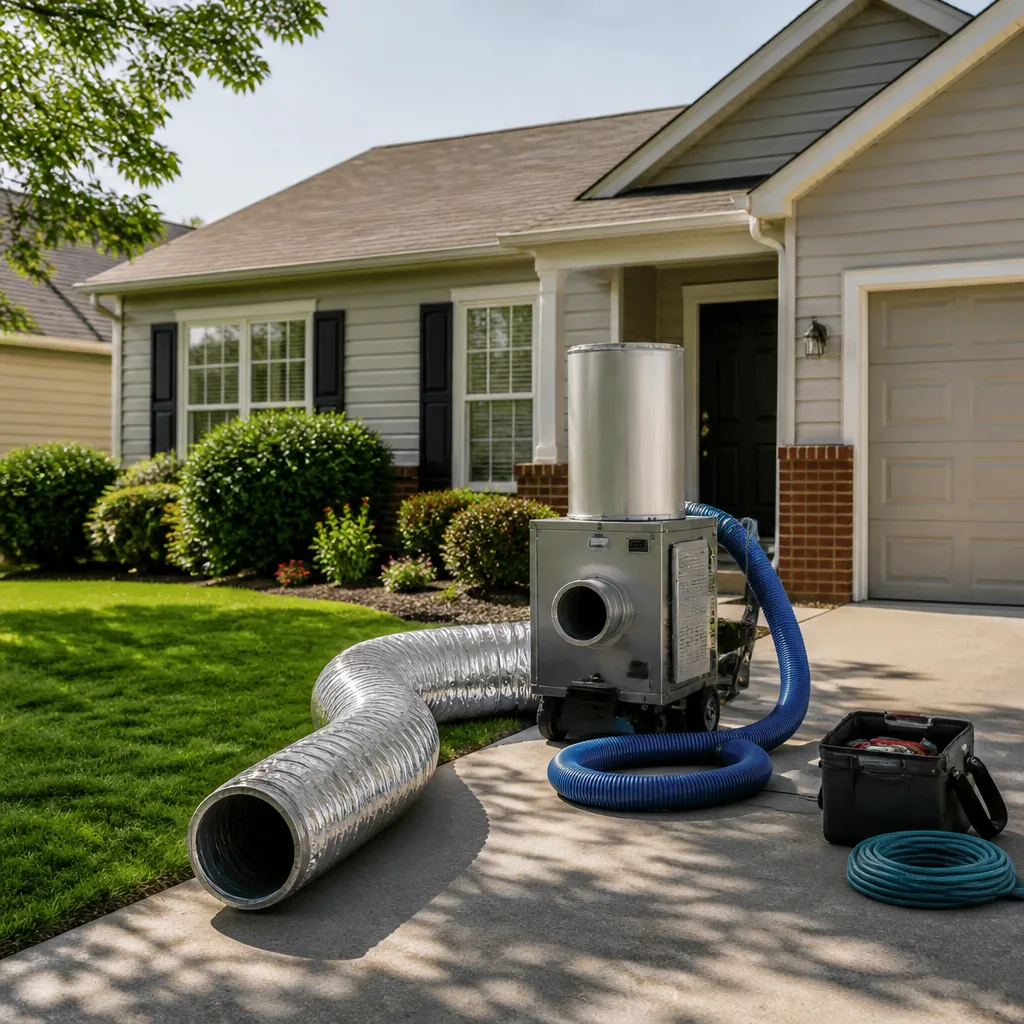 Whole-home duct cleaning
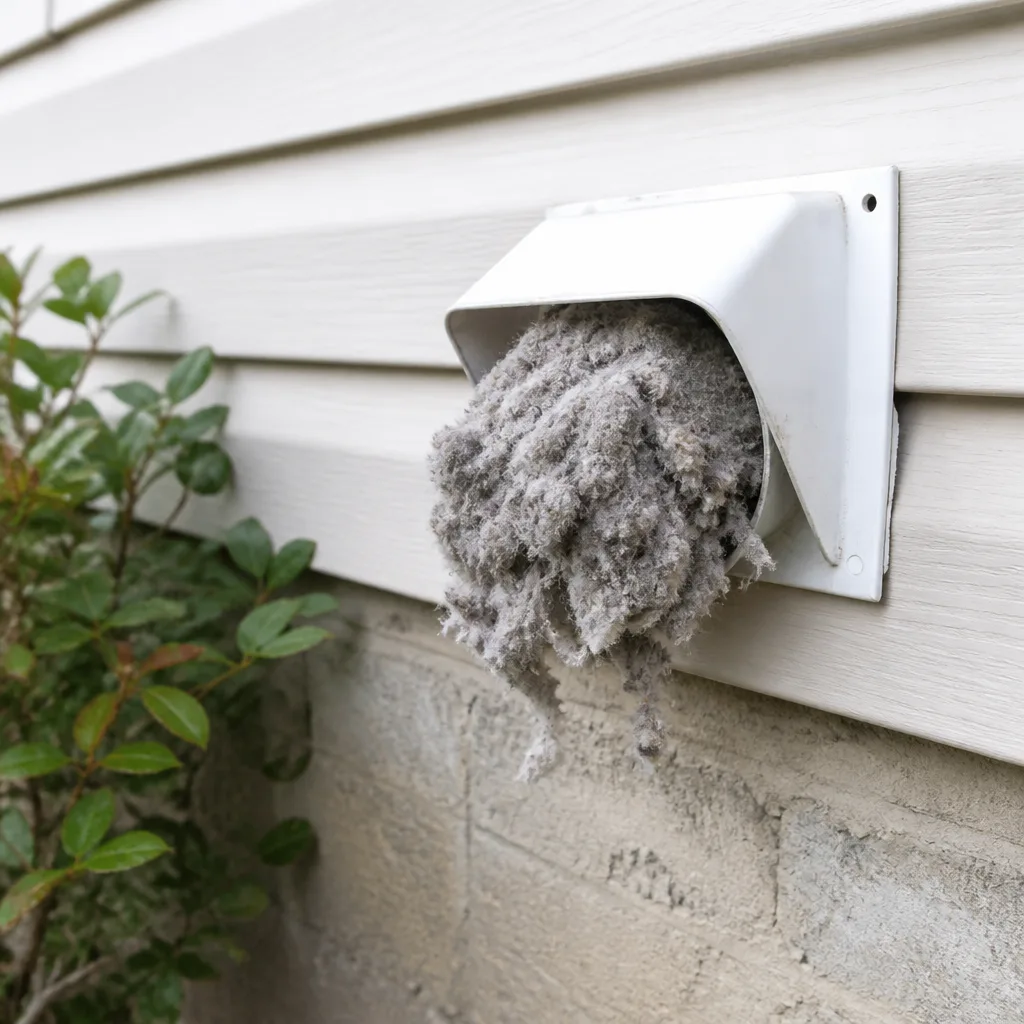 Dryer vent cleaning
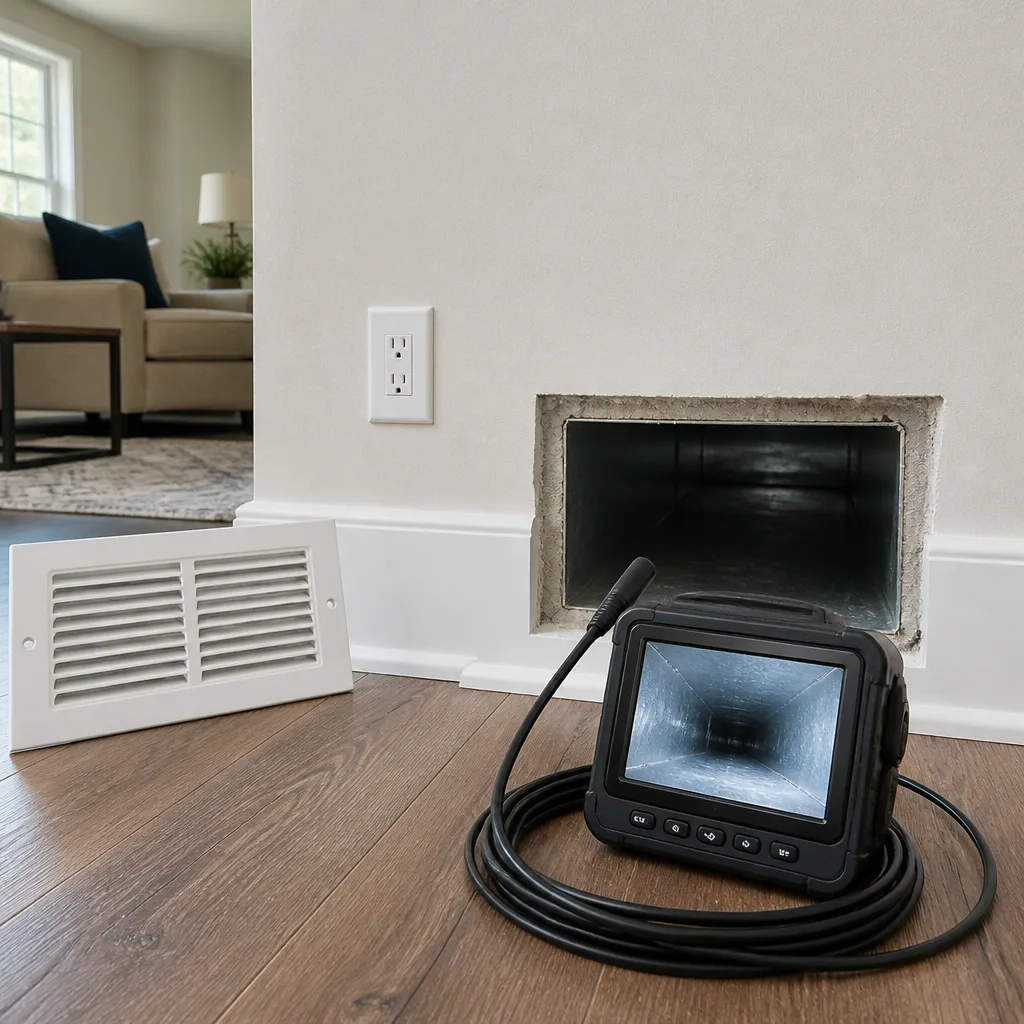 Camera inspection
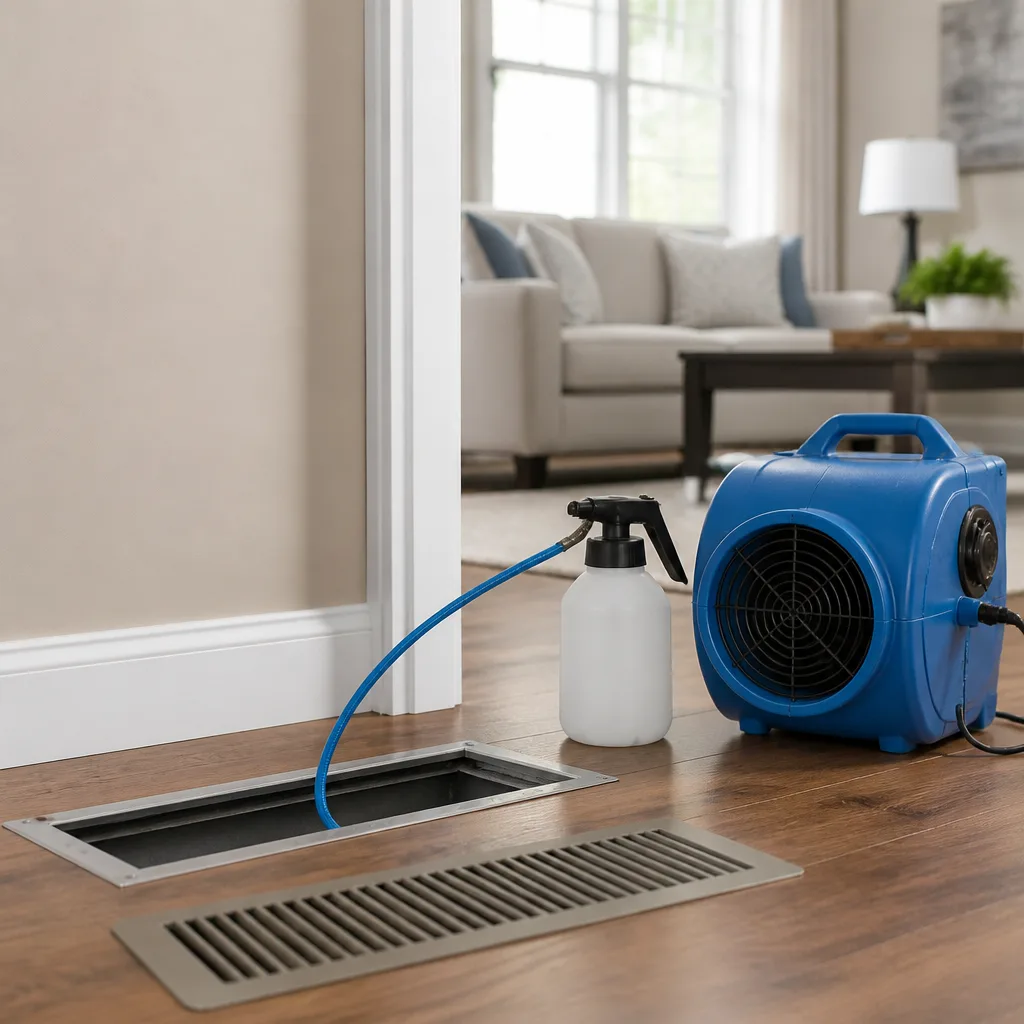 Sanitizing & deodorizing
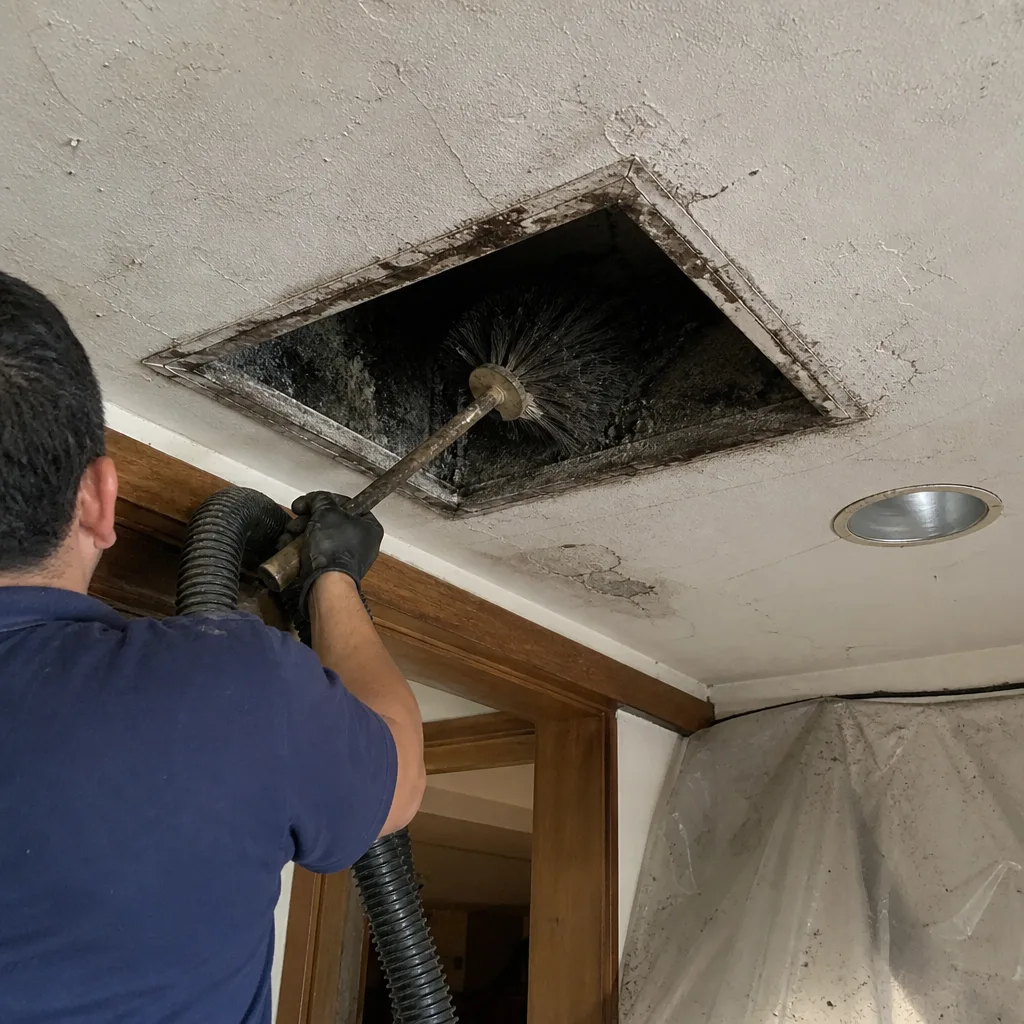
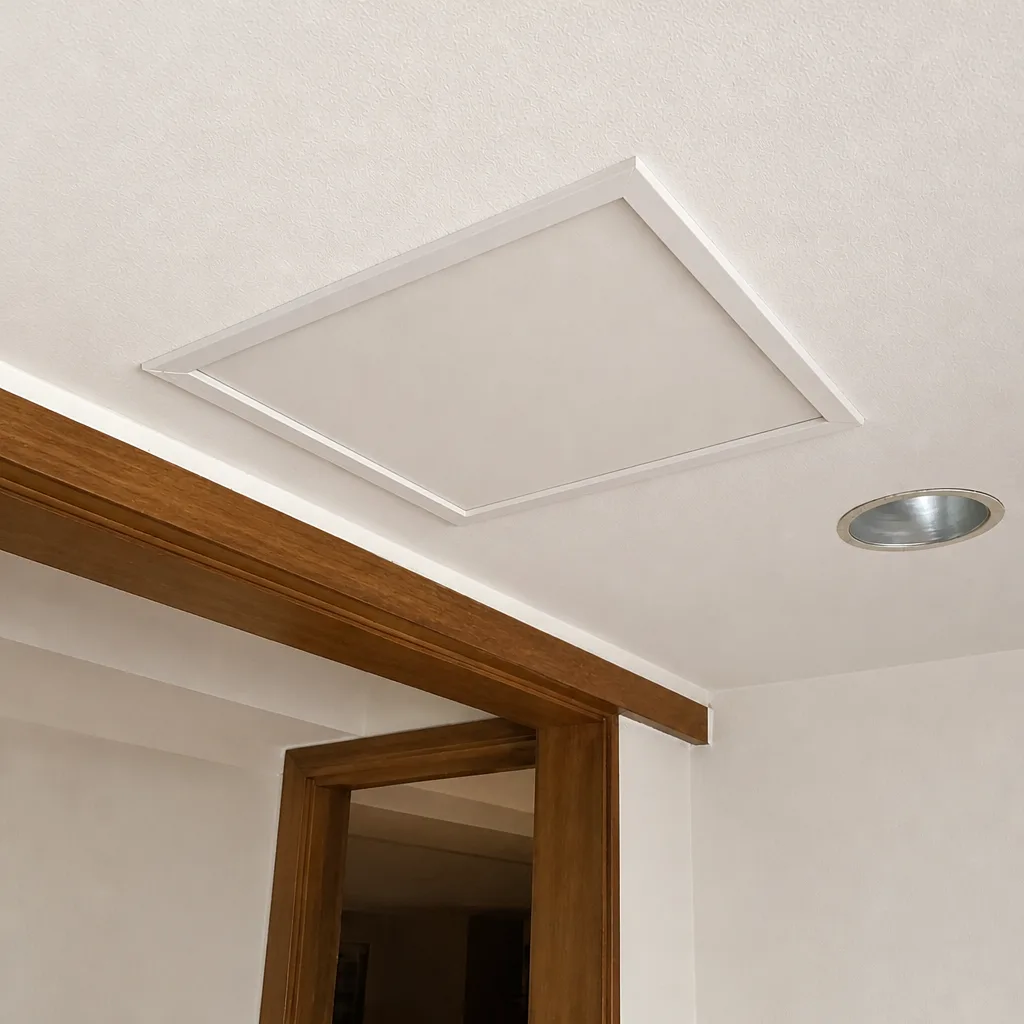
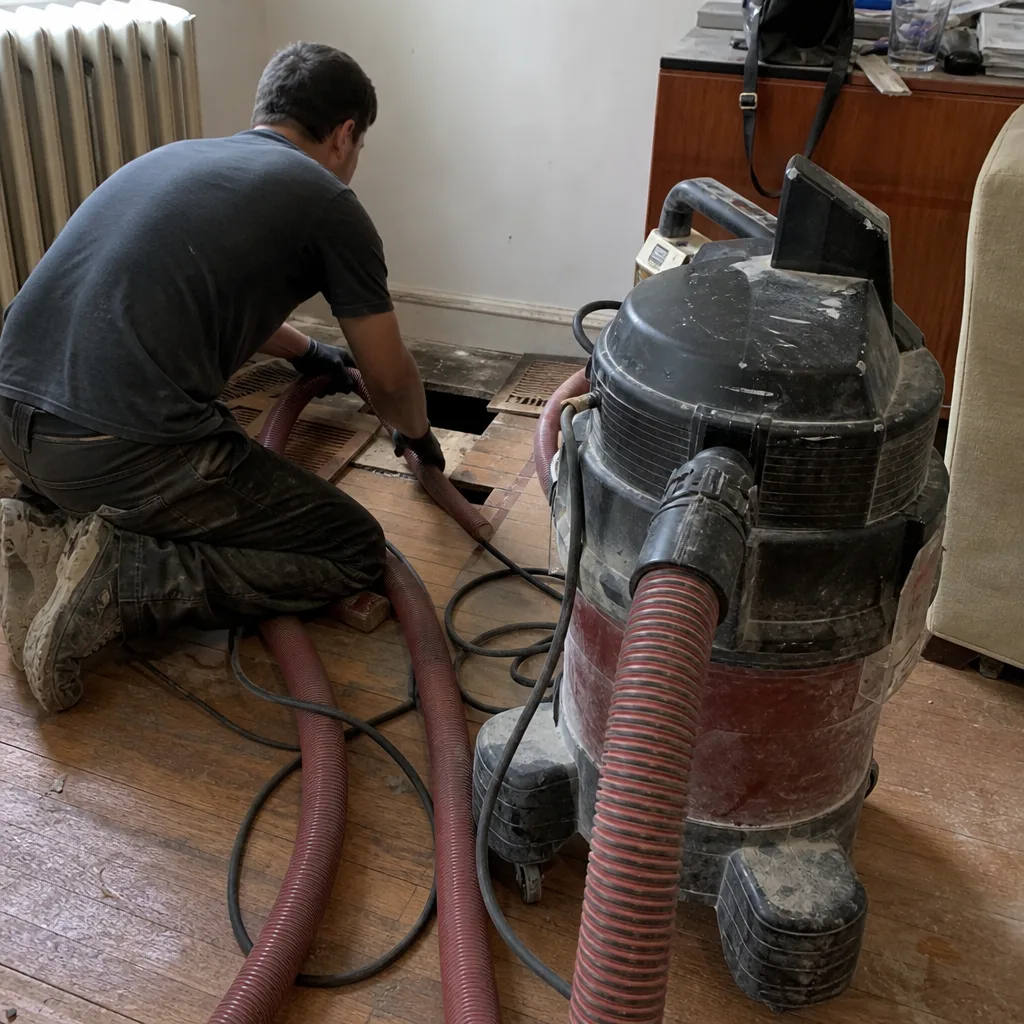
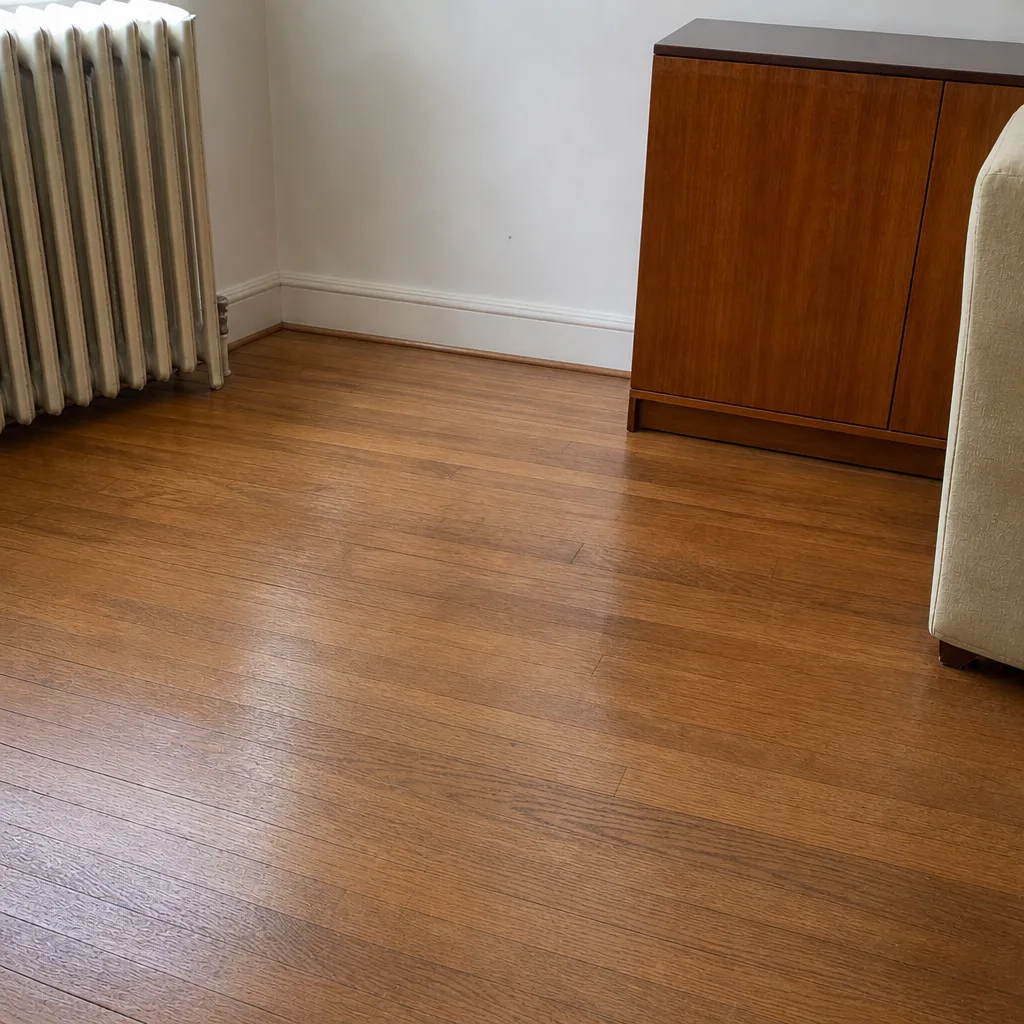
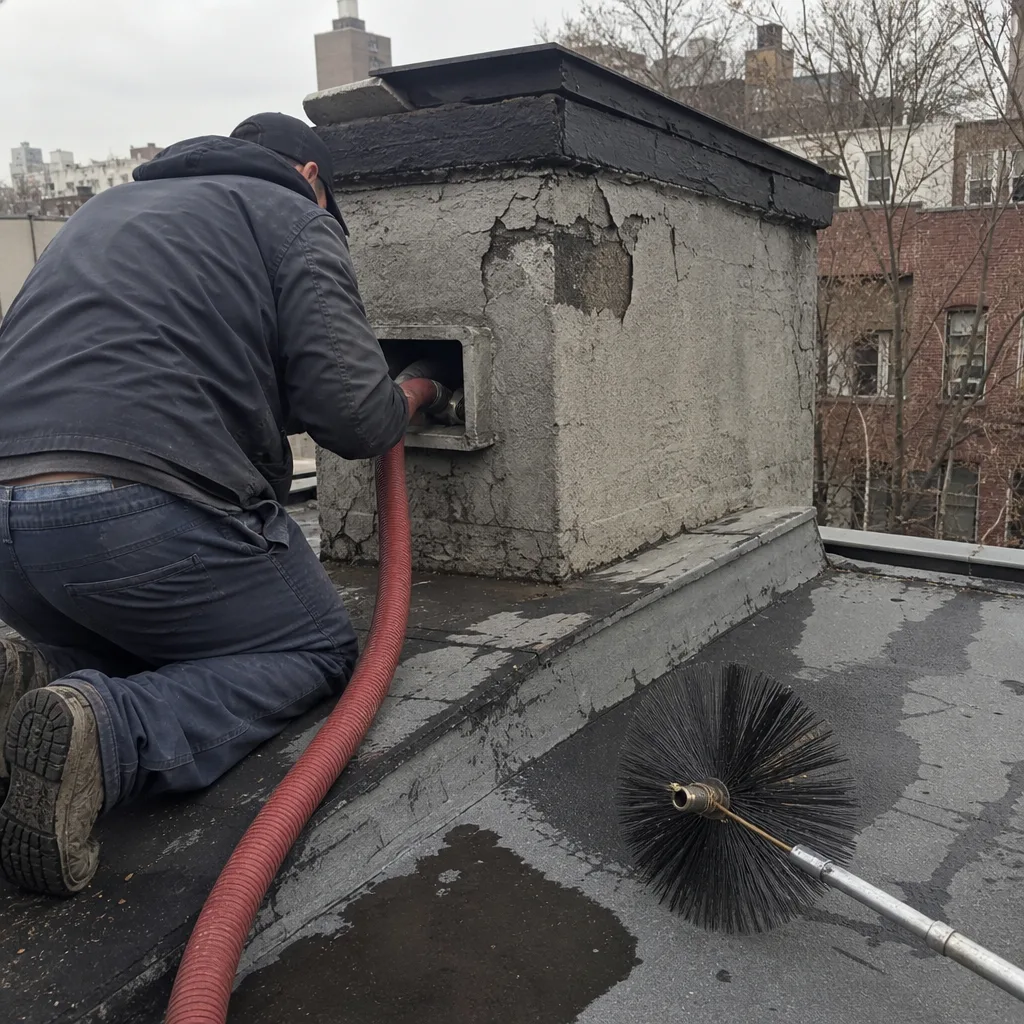
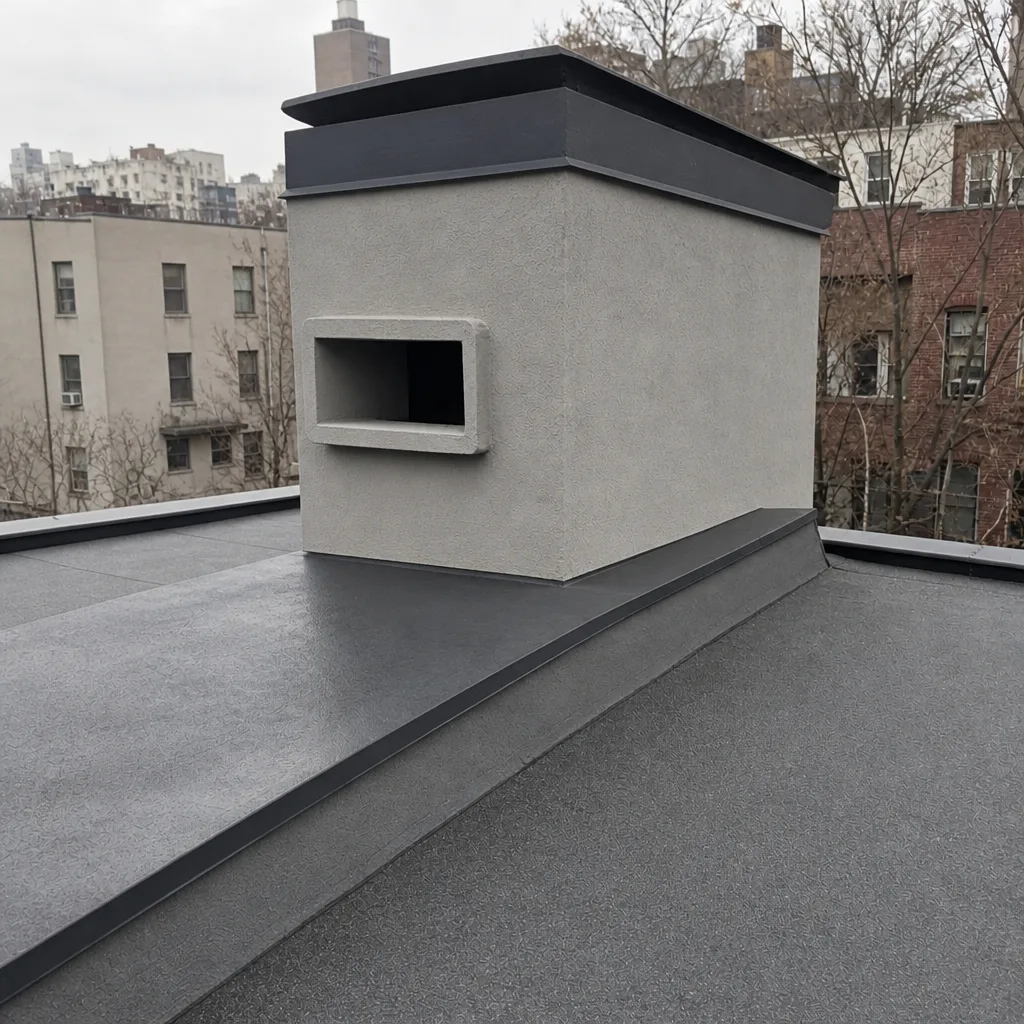
Whole-system duct and dryer vent check with before-and-after photos - you see exactly what came out of your vents
That "$99 whole-house special" is a bait ad - the real number appears once they are in your hallway, or the "clean" is a shop-vac at the register. We photograph the inside of your ducts before and after instead.
How to Hire an Air Duct Cleaning Contractor in East Village: A Step-by-Step Guide
The number that matters most in a duct cleaning quote isn’t the price. It’s the equipment. A legitimate negative air machine built for duct work costs upward of $3,000, and that’s before a contractor buys the rotary brush system, the HEPA filtration, or the containment gear. So when someone offers to clean a whole East Village apartment for $89, they didn’t bring that machine. They brought a shop vac and a marketing budget. This guide walks you through the exact screening process we’d use ourselves: the five equipment questions to ask, how to verify a contractor’s standing, what NYC licensing actually requires, and how to put the scope of work in writing before anyone wheels a hose through your door.
Quick Answer
To hire an air duct cleaning contractor in East Village, ask five specific equipment questions (negative air machine, rotary brush, HEPA filtration, containment, post-cleaning verification), confirm the company’s standing with the NYC Department of Consumer and Worker Protection, and get the scope of work in writing before booking. A legitimate contractor will answer all five questions without hesitation, put a flat price per system on paper, and show you before-and-after photos of your own ducts. If any of that gets deflected, walk away.
Styles & brands we work with
- Whole-home duct cleaning
- Dryer vent cleaning
- Camera inspection
- Sanitizing & deodorizing
Table of Contents
- The Five Equipment Questions to Ask Before Booking
- How to Verify NADCA Membership and What It Actually Obligates
- NYC Licensing and Checking a Contractor’s Standing
- Red Flags Unique to the NYC Market
- How to Put the Scope of Work in Writing
- What Post-Cleaning Verification Should Look Like
- Why East Village Buildings Are Hard on Ducts
- Common Mistakes to Avoid
- When to Call a Professional
- Frequently Asked Questions
The Five Equipment Questions to Ask Before Booking
These five questions do more to separate professionals from opportunists than any review you’ll read. Ask them on the phone before you book. A contractor who owns the equipment will answer in seconds. A contractor who doesn’t will pivot to talking about price, or their “process,” or how long they’ve been around. The pivot is your answer.
- “What negative air machine do you run, and what’s its airflow rating?” Acceptable answers name a specific machine and a number in cubic feet per minute. Evasive answers talk about “industrial vacuums” or “powerful suction.” A true negative air machine pulls the whole system into negative pressure so loosened debris travels out rather than settling into your rooms.
- “Do you use a rotary brush or a whip system, and is it pneumatic or electric?” Acceptable answers name the tool and the drive type. Rotobrush and Nikro are the two systems commercial contractors reach for; both agitate the duct wall rather than just vacuuming the surface.
- “What HEPA filtration do you run on the exhaust?” Acceptable answers specify a HEPA rating on the discharge side. If the contractor can’t tell you what’s filtering the air leaving your apartment, that air is going somewhere you don’t want it.
- “How do you contain the work area, and do you have Abatement Technologies equipment for it?” Acceptable answers describe negative-air containment and name their equipment. Abatement Technologies gear is remediation-grade, and having it on hand signals the contractor can hold containment on a job that needs it.
- “How do you verify the work was actually done?” Acceptable answers: before-and-after photos of your ducts, a visual inspection of each register, and a written summary of what came out. A vague answer here means nobody intends to check.
Write the answers down. If you’re comparing three contractors, the one who answered all five without flinching is the one to book. Notice which ones named actual equipment. Ours runs Rotobrush and Nikro systems with Abatement Technologies containment gear on hand, and we’re happy to walk through every answer on this list before you decide anything.
How to Verify NADCA Membership and What It Actually Obligates
NADCA, the National Air Duct Cleaners Association, publishes the standard the industry is measured against, and membership is verifiable. Go to the association’s directory and search the company name yourself rather than trusting a logo on a website. A logo is a graphic. A directory listing is a fact.
Membership obligates a contractor to the association’s code of ethics and to the assessment, cleaning, and restoration standard known as ACR. In practice, that means the contractor commits to inspecting the system before quoting, cleaning the entire system rather than only the visible registers, and documenting the result. When you ask “are you NADCA certified,” what you’re really asking is whether the contractor will follow that process on your job. The directory search tells you. The conversation confirms it.
One caution: NADCA membership is not the same as a NYC business license. It’s a professional affiliation, not a legal authorization. You need to confirm both. A contractor can be a NADCA member with a spotless reputation and still be operating without the city credentials required to do the work in your building.
Our technicians have up to 15 years of experience, and the ones working in East Village buildings understand why the process matters here. When you ask for documentation, you’re asking for exactly the right thing. If you want to see how the cleaning process itself is structured, our air duct cleaning page lays it out step by step.
NYC Licensing and Checking a Contractor’s Standing
New York City regulates home services through the Department of Consumer and Worker Protection, and duct cleaning contractors operating in the city are subject to that oversight. The department maintains a public license lookup, and the check takes about two minutes. Search the company’s legal name, not the name on the van. Sometimes they’re different, and that difference tells you something.
What to look for in the lookup:
- An active license in the category the company actually operates under. Expired or suspended is an immediate no.
- Complaint history. One complaint may be a bad day. A pattern of complaints about pricing or work quality is a pattern.
- The legal business name. Match it to the contract, the estimate, and the insurance certificate. If the names don’t line up, ask why before you sign.
- Insurance on file. The local pro should be properly licensed and insured as required by the state. Ask for a certificate of insurance and verify the dates are current.
East Village has its share of co-ops and rental buildings with their own requirements, and property managers often want the contractor’s certificate of insurance before work starts. Get that request handled early. A contractor who produces insurance without being pushed is a contractor who’s done this before in buildings like yours. One who gets defensive about it hasn’t.
Red Flags Unique to the NYC Market
Cities like East Village pack a lot of people into a small footprint, and that density attracts a particular kind of operator. The bait-and-switch structure is common in dense neighborhoods because it’s cheap to run: a low advertisement price gets the technician in the door, then the on-site “inspection” discovers problems that were never mentioned on the phone. Here’s how that pattern shows up.
- A single teaser price that becomes a per-vent charge on arrival. The real problem is the model. A per-register price rewards the contractor for finding more registers, which is the opposite of what you want. Insist on a flat price per system.
- “We found mold in your ducts” delivered ten minutes after arrival. Mold requires a moisture source and confirmed testing. If a contractor diagnoses mold off a look through a register, ask what lab testing produced that result.
- No written estimate before work starts. The estimate is free, and the written estimate sets the final price. If the number appears only after the work is done, the price is a guess about what you’ll tolerate.
- A van with no equipment in it. Not to be crude about it, but if they arrive with a shop vac, you know everything before they reach your door.
- Pressure to add sanitizing or sealing on the spot. These are legitimate services, and they’re legitimate only when the diagnosis comes first and the price goes on paper. A same-day upsell with no explanation is a sales script, not a recommendation.
- No physical address or verifiable license name. In a dense market, fly-by-night operations rely on the fact that nobody checks. Check.
The flip side of this market is opportunity: a contractor who can diagnose a leak during cleaning and seal it on the spot saves you a second visit and a second contractor. That capability is worth asking about directly. Duct Repair & Sealing is a service we perform as a native part of the work, not a referral to somebody else.
How to Put the Scope of Work in Writing
The single best protection against a bait-and-switch is a written scope of work that describes the job in physical terms. Not “whole apartment duct cleaning” – that’s a slogan. What you want is a document that specifies what gets cleaned, what gets checked, what happens if something’s found, and what it all costs. Here’s the structure.
- Count the system, not the vents. The scope should say “one system” or “two systems” and name the equipment serving each. A per-vent model is a red flag; a flat price per system is the standard to hold out for.
- List the components covered. Trunk lines, branch runs, registers, and the air handler cabinet if applicable. A scope that only mentions “ducts” leaves the air handler ambiguous, and ambiguity is where surprise charges live.
- Specify the cleaning equipment. The machines named in the five questions from earlier should appear in the estimate. If the estimate is silent on equipment, the equipment isn’t committed.
- Describe the containment. Negative air, plastic or zip-wall barriers, floor protection. In an East Village apartment, containment is what keeps your furniture, your floors, and your neighbors’ air out of the job.
- State the verification method. Before-and-after photos of your ducts, a register-by-register inspection, and a written summary. Get it in the estimate.
- Handle findings in advance. If a leak or a disconnected run is found during cleaning, what happens? Repair done on the spot, or a new estimate? Write down which.
- Set the price and the terms. Flat amount, agreed in writing before the work begins, with the written estimate setting the final price. Payment terms on the estimate, not verbal.
This is a lot of detail, and that’s the point. A contractor who will sit down and put this on paper is a contractor who does this work for a living. Compare that to the one who says “don’t worry, we’ll handle it,” and you’ll see the difference in one sentence.
What Post-Cleaning Verification Should Look Like
Verification is where trust is earned or lost. You can’t see inside your ducts during the work, so the contractor has to show you what happened. Here’s what a legitimate verification looks like, and what to expect from a professional.
- Before-and-after photos of the same register and the same run. Not stock photos from a website. Your ducts, your run, your apartment.
- A visual check of every register. If a register wasn’t touched, you want to know that – not find out next spring.
- A written summary of findings. What came out, what condition the duct walls were in, and anything that needed repair, sealing, or a follow-up.
- Verification of the system’s seal after cleaning. If the contractor offers Duct Repair & Sealing, a smoke or pressure check on the connections is a fair ask.
- Airflow confirmation. A register that whistled before and doesn’t after is a data point. So is the reverse.
Ask before booking what the verification process includes. A contractor who describes photos, notes, and a summary is one who plans to check. A contractor who says “you’ll see the difference” without specifics has told you which kind of operation they run. If the ducts need more than cleaning – dryer vent work, for example – our dryer vent cleaning page covers what that separate job involves.
Why East Village Buildings Are Hard on Ducts
East Village is a neighborhood of walk-ups, tenements converted into co-ops, and mixed-use buildings where a restaurant might share a wall with a fourth-floor apartment. That building stock creates duct conditions you won’t find in a suburban subdivision. Here’s what matters when you’re evaluating a contractor for a job in this neighborhood.
Older buildings mean ducts that were retrofitted, spliced, and rerouted over the years. A duct run in an East Village walk-up may have been installed in one era, extended in another, and disconnected somewhere in between. During cleaning, that history shows up as leaks at the seams, gaps at the boot transitions, and runs that never made it to the room they were supposed to serve. A contractor who only cleans will leave those leaks. A contractor who also repairs and seals can address them – which is why we offer both as part of one visit.
Shared walls and dense adjacencies mean containment matters more here than in a standalone house. When you’re on a fourth-floor walk-up and the exhaust has nowhere to go but into a hallway, the negative air machine and the HEPA filtration aren’t nice-to-haves. They’re the difference between a clean apartment and a clean apartment plus a complaint from downstairs.
The heating season runs long and dry in NYC apartments, and forced-air systems push a lot of air through a limited number of runs. Filters load up faster than the box says they will. That’s a reason to check your filter monthly during the heating season and a reason the cleaning interval for an East Village apartment is often shorter than the generic guidance suggests. It’s also why we ask about filter type and air quality history before quoting – the right answer for your apartment depends on what’s in it.
If your building is also due for HVAC work, that’s a separate scope. Our HVAC cleaning page explains how the air handler and coil cleaning fit with duct work. When the coils and cabinet need cleaning too, pairing the two jobs makes more sense than splitting them.
Common Mistakes to Avoid
- Choosing the lowest quote without asking about equipment. The $89 quote and the $600 quote aren’t the same service at different prices. One includes a negative air machine and containment; the other doesn’t. Ask the five questions before comparing numbers.
- Accepting a per-vent or per-register price. A per-register model rewards the contractor for finding more registers. Insist on a flat price per system in writing, agreed before any work starts.
- Booking without checking the NYC license lookup. The Department of Consumer and Worker Protection lookup is public and fast. Searching the legal name also tells you whether the name on the estimate matches the name on the license.
- Skipping the written scope of work. “We’ll handle it” is not a scope. Get the components, equipment, containment, verification, and price in writing before anyone arrives.
- Letting a contractor diagnose mold without testing. East Village has plenty of old buildings with moisture histories, and that means legitimate mold concerns exist. It also means anyone can claim mold. Require lab testing before treating.
- Accepting verbal verification. “It’s all clean” is a sentence, not evidence. Ask for before-and-after photos of your own ducts and a register-by-register check.
- Missing the repair opportunity during the cleaning visit. If leaks are found during cleaning, a contractor who can seal them on the spot saves you a second visit. Ask in advance whether repair is part of the visit or a referral.
When to Call a Professional
Most duct work in East Village shouldn’t wait for a convenient season. Call a professional when you see visible dust streaking from the registers, when the apartment has a musty smell you can’t trace to a specific source, when a recent renovation left construction dust in the system, or when allergies flare up indoors and ease when you leave. It’s also worth calling after a new-home purchase, before a seasonal turnover if you’re a property manager, or if your system’s airflow has clearly dropped. If the dryer takes two cycles to dry a load, that’s a dryer vent issue and worth a separate call. A technician can assess the system and tell you whether cleaning is the right answer or whether something else is going on.
Air Duct Cleaning East Village offers free estimates in East Village – call (855) 952-0316. We answer 24/7. Fast dispatch from 7am to 7pm, Sunday through Friday. We bring professional-grade equipment, not big-box vacuums, and we put one flat price per system in writing before work starts.
Frequently Asked Questions
Air duct cleaning in East Village is priced per system, and the written estimate sets the final price. Typical ranges depend on the number of systems, accessibility, and whether repair, sealing, or sanitizing is included – a single-system apartment and a multi-system building are different jobs. The number that matters is the one on paper before work begins. Be skeptical of any price quoted per vent, and call (855) 952-0316 for an exact quote – estimates are free.
Because they’re not the same service. A legitimate negative air machine alone costs upward of $3,000, and that’s before rotary brush systems, HEPA filtration, and containment gear. A quote of $89 for a whole-apartment cleaning didn’t come with any of that. The low price is the beginning of a sales process, not a cleaning. When you compare quotes, compare equipment lists. Call (855) 952-0316 and we’ll walk you through exactly what’s included.
Ask for before-and-after photos of your own ducts, a visual check of each register, and a written summary of findings. A professional verifies the work with documentation you keep, not with a verbal assurance. If a contractor can’t produce photos of your specific system, the work wasn’t verified. Call (855) 952-0316 for a free estimate that includes the verification process in writing.
It depends on the building, the number of occupants, pets, recent renovations, and how well the filters are maintained. East Village’s older building stock and long heating season push many apartments toward a shorter interval than the generic guidance. A technician can assess the system and recommend a schedule based on what’s actually there. Call (855) 952-0316 to have someone look.
Yes. New York City regulates home services through the Department of Consumer and Worker Protection, and the agency maintains a public license lookup. Search the company’s legal name and confirm it matches the name on the estimate and insurance certificate. The local pro should be licensed and insured as their state requires, and that should be verifiable in minutes. Call (855) 952-0316 with any questions about what to look for.
Yes. Duct Repair & Sealing is a native service, which means leaks and gaps found during cleaning can be sealed in the same visit rather than referred to another contractor. That’s the advantage of one provider covering the full chain: cleaning, sealing, sanitizing, and filtration. When the system is already open and accessible, that’s the right time to fix what’s found. Call (855) 952-0316 for a free estimate.
The Bottom Line
Hiring a duct cleaning contractor in East Village comes down to three checks: equipment, verification, and paperwork. Ask the five equipment questions and listen for specifics – Rotobrush, Nikro, Abatement Technologies, or equivalent – rather than reassurances. Verify the company’s standing with the NYC Department of Consumer and Worker Protection and with NADCA. Then get the scope, the containment, the verification method, and a flat price per system in writing before anyone arrives. A contractor who does all three without flinching is the one to book. A contractor who deflects any of them has told you everything. Call (855) 952-0316 for a free estimate – we’ll walk through every step with you.
Written by the team at Air Duct Cleaning East Village.
See the difference
 Before
 After
 Before
 After
 Before
 After