
Last updated November 22, 2026
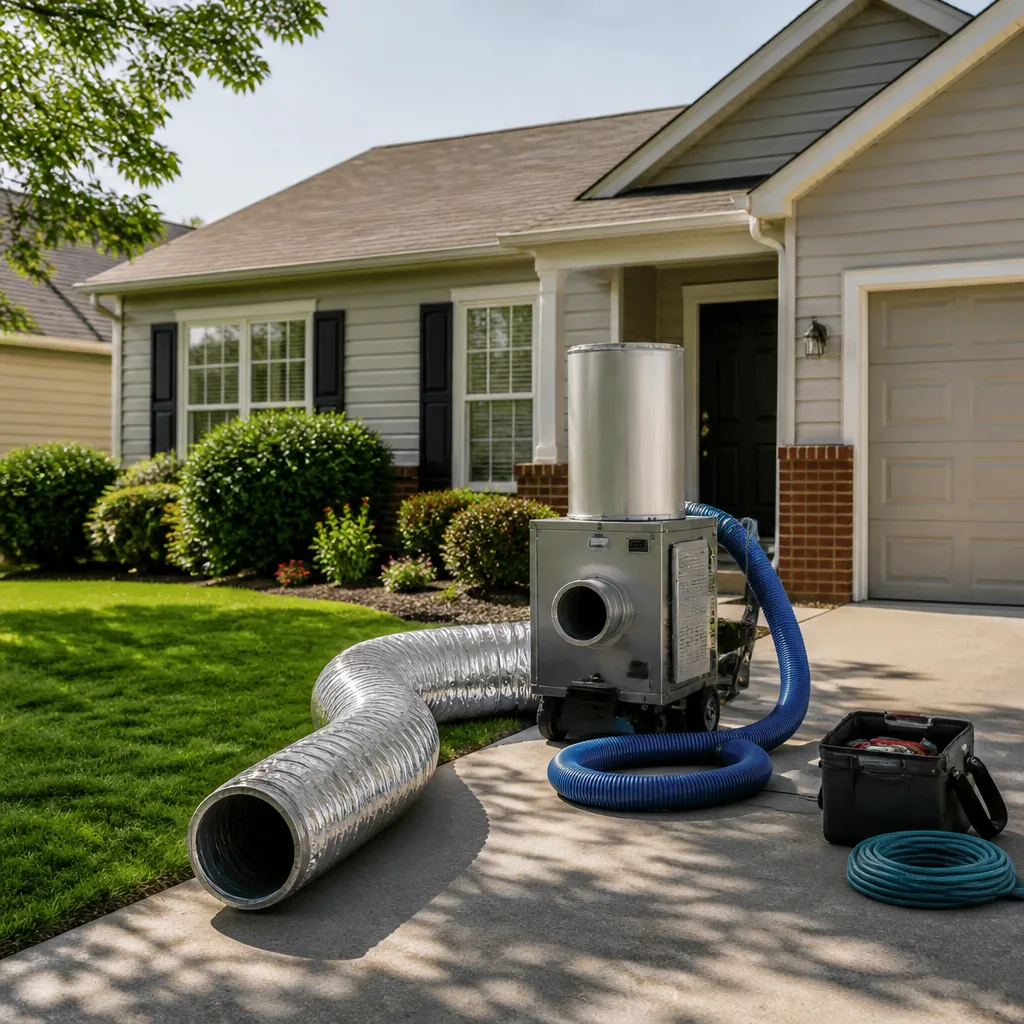 Whole-home duct cleaning
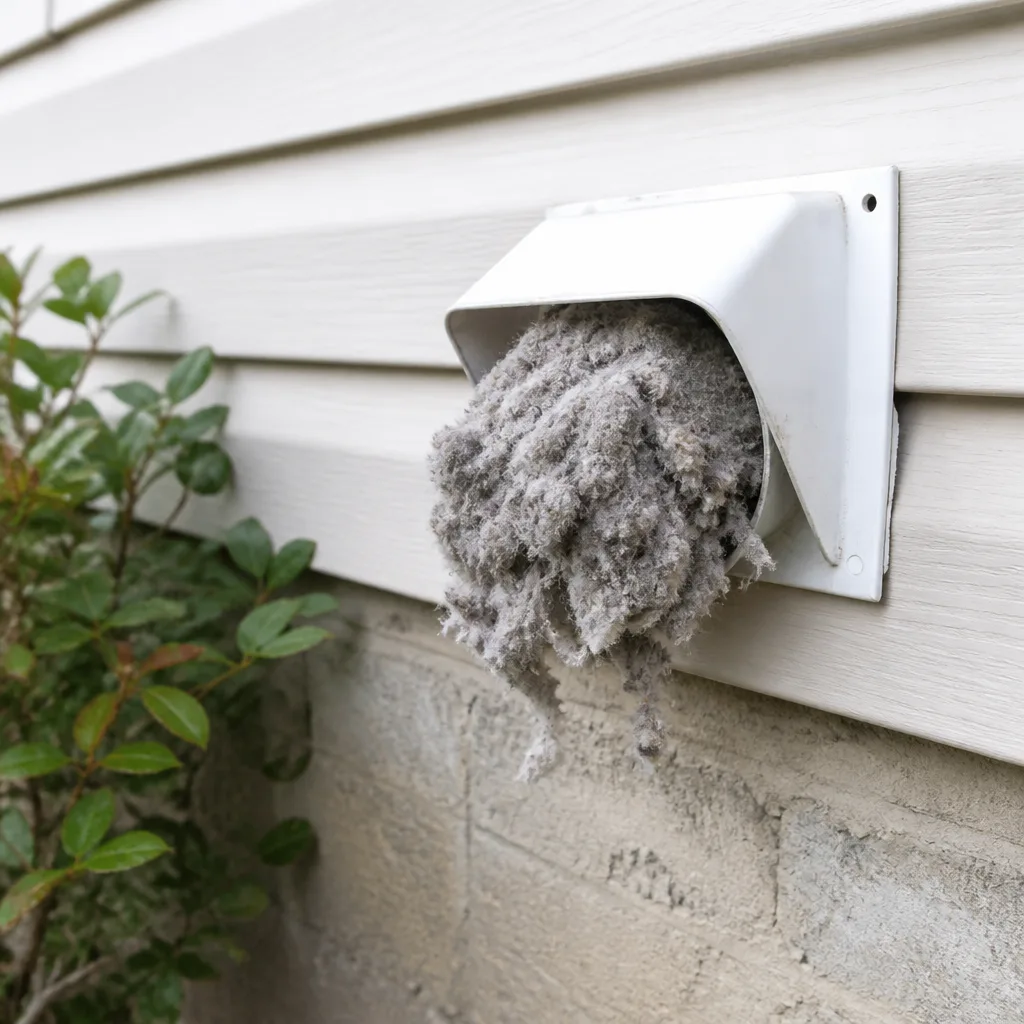 Dryer vent cleaning
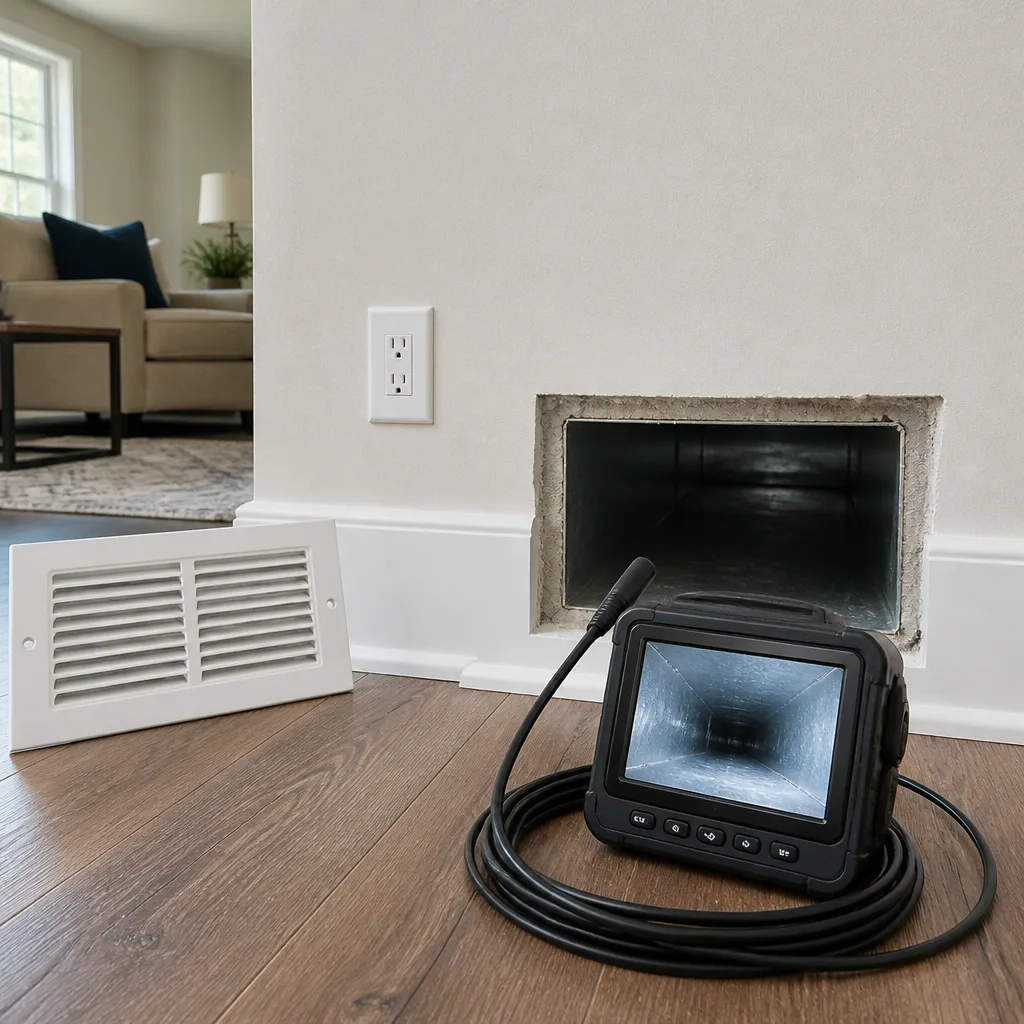 Camera inspection
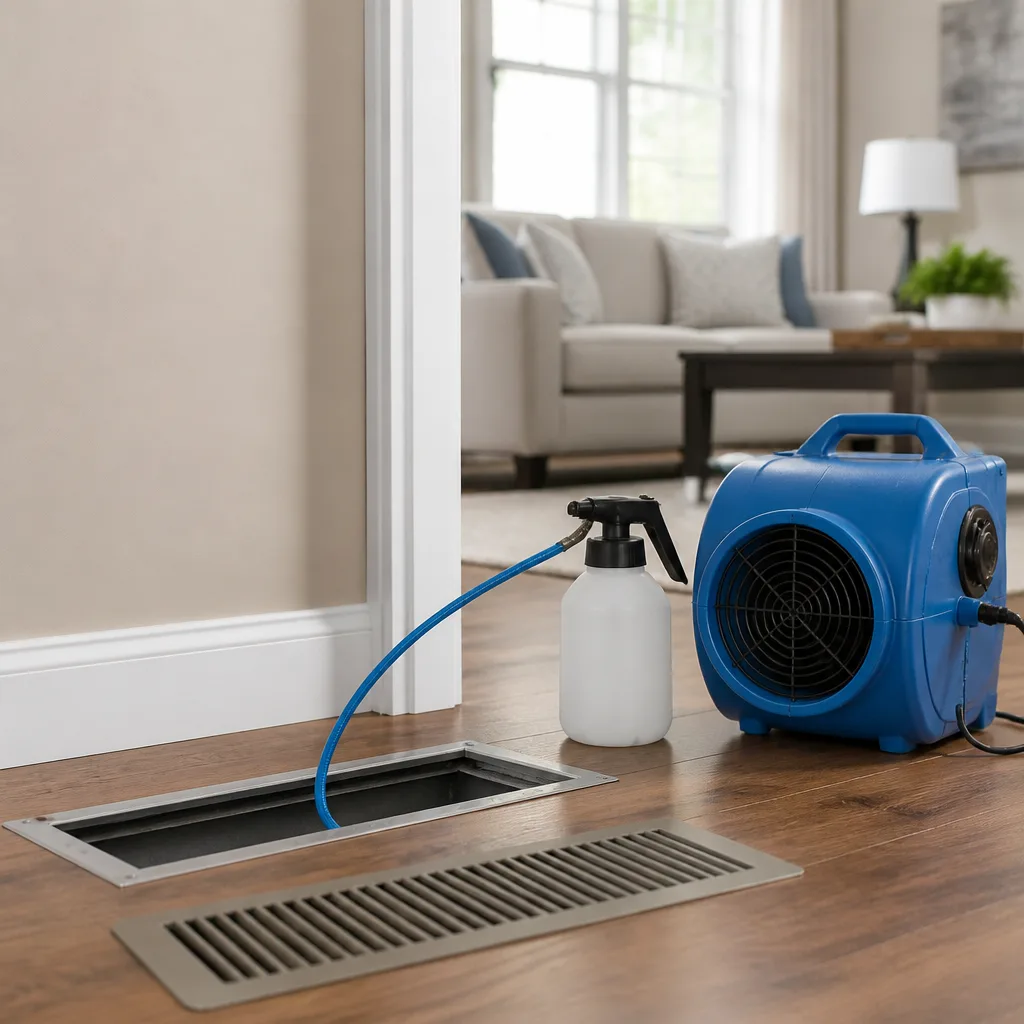 Sanitizing & deodorizing
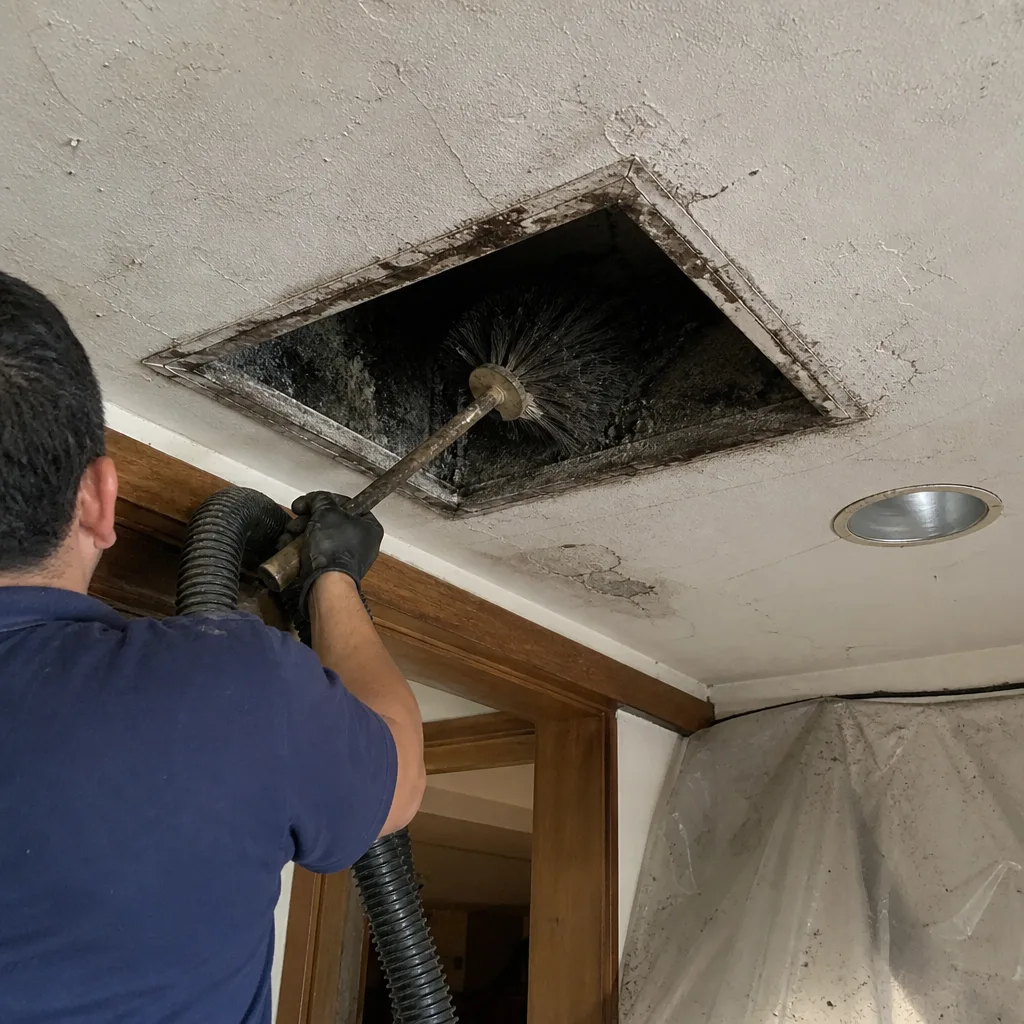
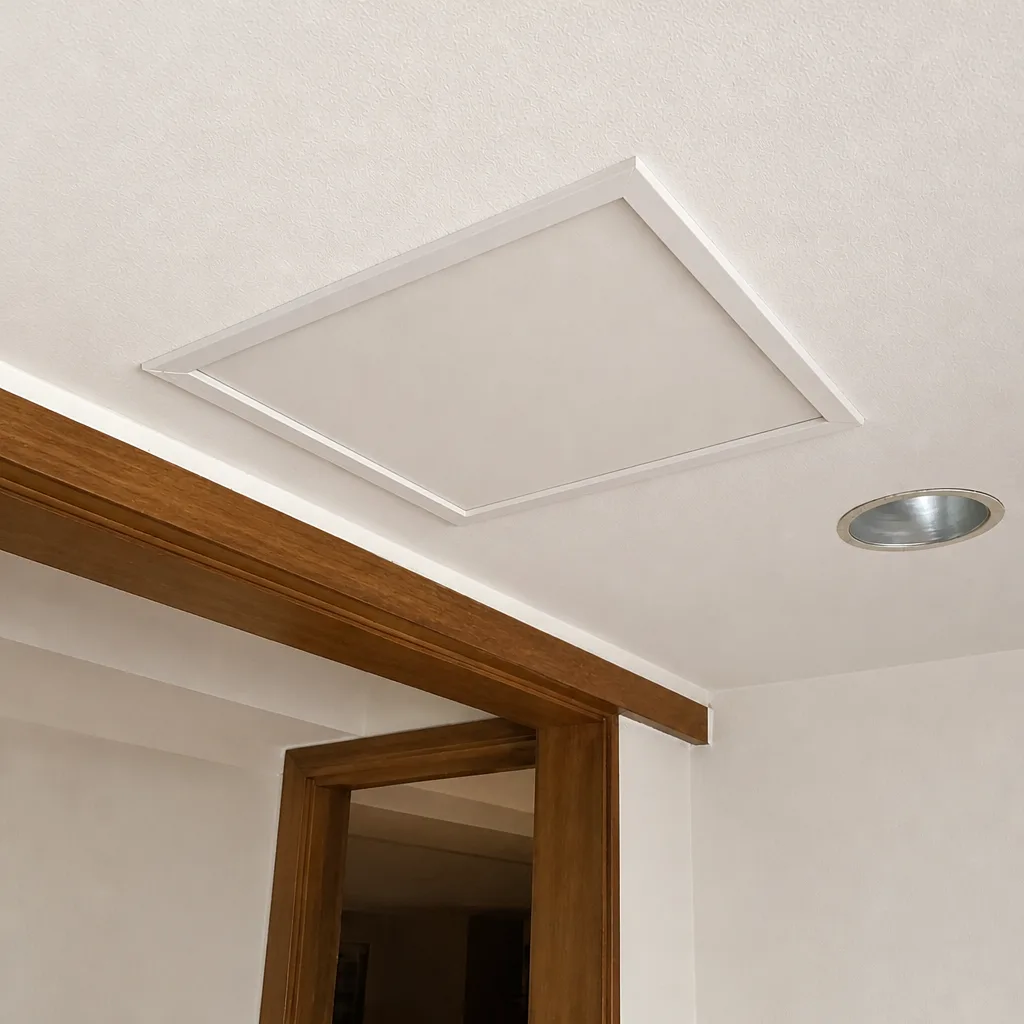
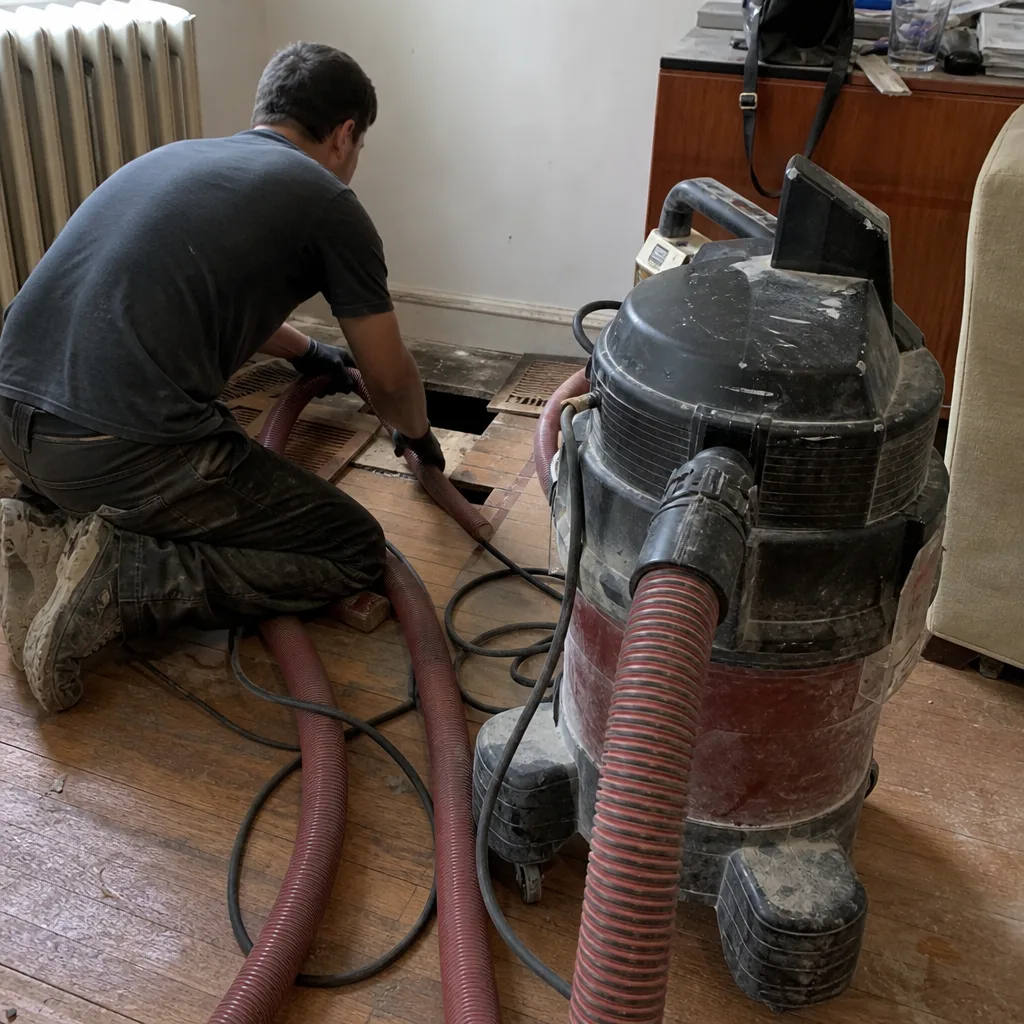
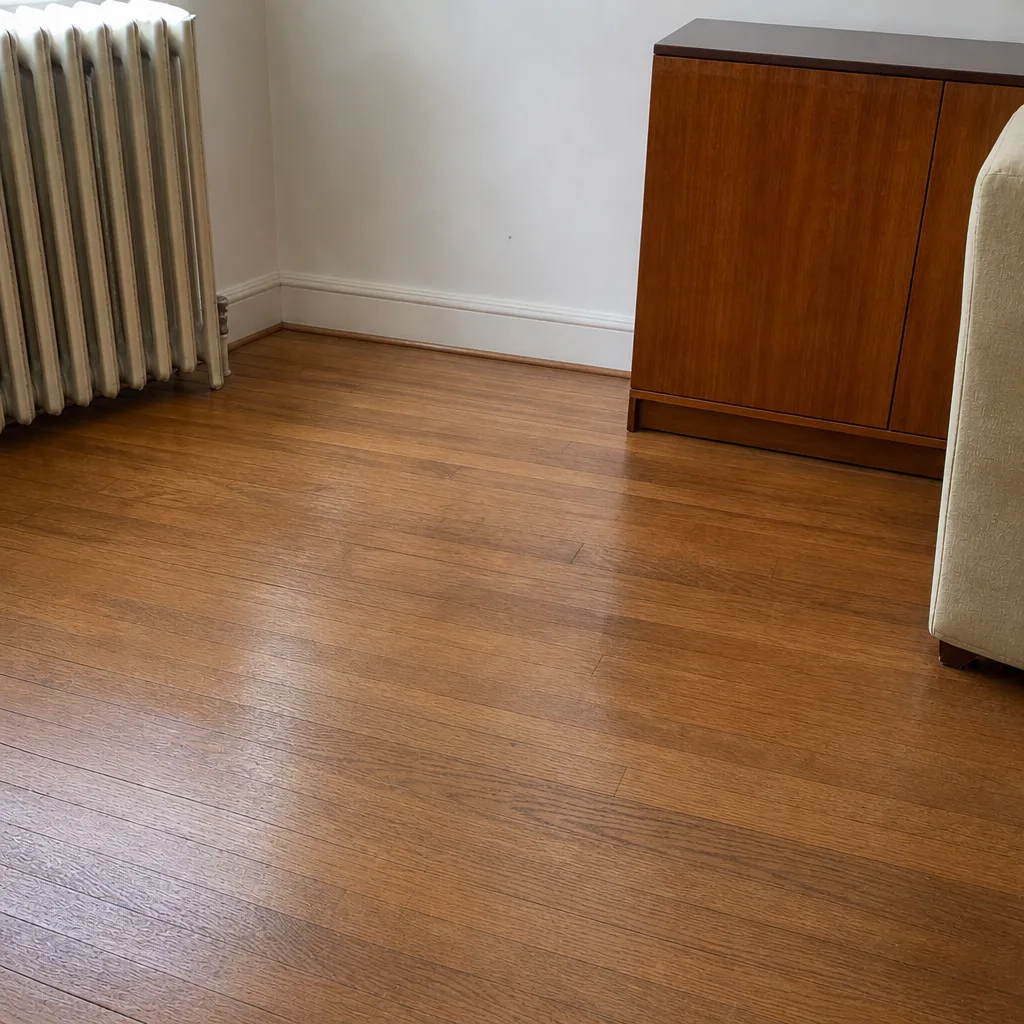
Whole-system duct and dryer vent check with before-and-after photos - you see exactly what came out of your vents
That "$99 whole-house special" is a bait ad - the real number appears once they are in your hallway, or the "clean" is a shop-vac at the register. We photograph the inside of your ducts before and after instead.
DIY vs Professional Air Duct Cleaning: The East Village Homeowner’s Decision Guide
The vacuum you can buy at a hardware store moves about 50 cubic feet of air per minute. A professional negative air machine moves 1,500 to 2,000. That single gap decides almost everything about whether duct cleaning works, and in East Village apartments it shows up faster than in most places. A four-floor walk-up with a short return run, a shared riser and radiators clanking through winter exposes weak suction in minutes. Below, we break down what a motivated do-it-yourselfer can honestly handle, what no consumer tool can replicate, and where a DIY attempt in a New York co-op or rental turns into a liability. By the end you’ll know how to spend your own time wisely and when to bring in equipment built for the job.
Quick Answer
Consumer tools can handle register cleaning, filter swaps and visual inspection. They cannot replicate the negative pressure containment a professional system creates, which means a shop vac and drill brush mostly stir debris loose and send it back into your living space. In an East Village apartment, shared ductwork and co-op mechanical rules make that difference more consequential than the price gap. Professional cleaning is the right call whenever mold, rodent debris or renovation dust is present, or whenever the ducts are building property rather than yours.
Styles & brands we work with
- Whole-home duct cleaning
- Dryer vent cleaning
- Camera inspection
- Sanitizing & deodorizing
Table of Contents
- The CFM Gap: Why Suction Volume Decides the Outcome
- What a Careful DIYer Can Actually Handle
- Negative Pressure Containment and What It Prevents
- Shared Ducts, Co-op Rules and Landlord-Owned Systems
- Contamination Types Where DIY Is Not Safe
- Using DIY Maintenance to Stretch the Interval Between Cleanings
- DIY Cost, Professional Cost, and What You Actually Get
- How to Vet a Duct Cleaning Provider in East Village
The CFM Gap: Why Suction Volume Decides the Outcome
Cubic feet per minute, or CFM, measures how much air a machine can pull. A consumer shop vac produces somewhere around 50 CFM at the hose. A purpose-built negative air machine from Abatement Technologies pulls 1,500 to 2,000 CFM and holds that pull across a whole floor of ductwork. That’s a factor of thirty or more, and the difference is not about speed. It’s about whether the debris stays suspended long enough to be captured at the source.
Here’s the practical consequence. When a low-suction tool disturbs settled dust inside a supply trunk, the fine particles lift into the air stream but never reach the collection point. They settle again in the next room or the next branch. You’ve moved the contamination, not removed it. In a compact East Village apartment, that redistribution is obvious within a day: dust on the windowsill, grit on the radiator cover, a musty smell that wasn’t there before.
Professional systems from Rotobrush and Nikro pair the high-CFM vacuum with agitation tools. A rotary brush or air whip loosens the caked layer inside the duct wall while the vacuum holds the whole system under negative pressure. Clean and capture happen together.
- Consumer shop vac: roughly 50 CFM, short duty cycle, no containment
- Rotobrush or Nikro system: high-CFM vacuum plus rotary agitation, built for duct interiors
- Abatement Technologies negative air: containment-grade pull for larger or contaminated systems
This matters even more in older East Village buildings where ducts have never been professionally cleaned and the settled layer is thick. A low-suction pass through a heavily soiled trunk is the worst-case scenario: it breaks the crust that was holding things in place.
What a Careful DIYer Can Actually Handle
Plenty of routine duct-adjacent maintenance is genuinely a homeowner task. The line isn’t effort or willingness. It’s whether the work touches the inside of the duct run or stops at the register.
Here’s what a motivated do-it-yourselfer can handle safely:
- Pop the registers and clean the grilles. Remove the supply and return covers, wash them in the sink with dish soap, dry them fully before reinstalling. This is the surface most visible dust lands on, and cleaning it takes ten minutes.
- Vacuum as far as the register boot will let you reach. A crevice tool down the first six inches of the duct opening picks up loose debris without disturbing the settled layer deeper in.
- Change the filter on schedule. A clogged filter restricts airflow and drives every other efficiency problem. Check the size, buy a matching replacement, and note the date on the frame with a marker.
- Do a visual inspection with a flashlight and a phone camera. Look inside the register boot for dust buildup, staining or anything fuzzy that looks like mold. Photograph what you see so you can compare later or share it with a technician.
- Seal obvious register gaps with foil tape. Small leaks around a register frame pull unfiltered air from a wall cavity. Foil tape handles that.
- Clean the return grille in every room. Returns collect more than supplies because they pull from the living space. They’re easy to forget.
What stays off the DIY list: anything that involves feeding a brush or hose into a duct run beyond the visible opening, anything that requires sealing a duct joint you can’t reach, and anything involving a system you don’t own. If you live in an East Village rental, the ducts belong to the building, and that changes the calculus entirely.
Negative Pressure Containment and What It Prevents
Negative pressure means the pressure inside the duct is lower than the pressure in the room. When a professional machine is connected to the system, air is always flowing into the ductwork, never out of it. Any dust the agitation tools loosen travels toward the vacuum, not into your living room.
No consumer tool replicates this. A shop vac connected to a register pulls locally, but it doesn’t depressurize the whole run. The moment you agitate a brush inside the duct, the debris plume spreads in both directions. In a narrow East Village apartment with ducts routed through tight ceiling cavities and shared wall chases, that plume lands in the next room through the nearest supply.
Containment-level work goes further. Abatement Technologies equipment pairs a high-CFM negative air machine with HEPA filtration, so the air leaving the system is filtered rather than exhausted straight back into the apartment. That’s the setup you need when the contamination is more than ordinary dust. It’s the same class of equipment used on remediation projects, and it’s the reason professional cleaning can happen while you’re in the apartment instead of requiring you to clear out.
- Negative pressure keeps loosened debris flowing toward the vacuum, not toward you
- HEPA filtration means exhausted air is cleaned before it returns to the room
- Agitation tools work inside the duct, where a shop vac can’t reach
One more piece: before-and-after photos. A professional can show you what came out of the system. It’s a reasonable thing to ask for, and we take them on every job.
Shared Ducts, Co-op Rules and Landlord-Owned Systems
East Village housing stock is a mix of pre-war walk-ups, post-war co-ops, rentals and a few newer conversions. What nearly all of them share is that the ductwork is not always the occupant’s property. That distinction matters before anyone picks up a tool.
In a co-op, the mechanical systems serving a unit often sit behind the wall in common or limited-common areas. The proprietary lease typically spells out who is responsible for what, and the building’s alteration agreement may require board approval before anyone works inside a shared chase. Opening a duct run without that approval is a straightforward path to a violation or a repair bill.
In a rental, the system belongs to the landlord. A tenant who pokes a brush into a return trunk and cracks a joint is now responsible for a repair on property they don’t own. And in older walk-ups, ducts sometimes pass between units or connect to a shared riser, which means a DIY attempt can affect a neighbor’s air quality as well as your own.
Practical steps before any DIY work goes beyond the register:
- Read your proprietary lease or rental agreement to see who owns the ductwork.
- Ask the building manager whether the system serving your unit is shared.
- Check whether your co-op requires board approval for work inside a wall chase.
- If the answer is unclear, stop at the register grille and let a professional inspect.
This is one of the reasons we handle repair and sealing as part of a normal cleaning visit. When a technician finds a cracked joint or a separated boot behind a wall, we seal it on the spot rather than referring it out. That closes the loop in one visit and keeps the liability question inside a documented process.
Contamination Types Where DIY Is Not Safe
Ordinary household dust is one thing. Three specific contamination types are a different category entirely, and in those cases a DIY attempt crosses from unhelpful to genuinely hazardous.
Active mold growth. Mold inside a duct system means moisture is present, which means the conditions that caused it are still there. Agitating mold without containment spreads spores through the apartment. If you see fuzzy growth or smell a persistent musty odor near a register, don’t disturb it. Call for an inspection.
Rodent debris. Droppings and nesting material in ductwork carry pathogens, and disturbing them aerosolizes fine particles. This is a documented health concern, not a theoretical one. Consumer tools have no filtration capable of capturing that material, and a shop vac’s exhaust blows it straight back into the room.
Post-renovation particulate. After a kitchen or bath gut, drywall dust and construction debris settle deep in the return system. That dust is fine, abrasive and gets pulled through the HVAC equipment on every cycle. Renovation particulate is the most common trigger for a professional cleaning call in East Village, and it’s one of the least appropriate for a shop vac. The tools are the wrong type for the material, and the volume is more than a consumer machine can move.
Common warning signs that you’re past the DIY threshold:
- A musty smell that returns within days of cleaning a register
- Visible growth on the inside of a duct boot
- Recent renovation work in the unit
- Pest activity in the walls or near the HVAC closet
- Any sign of moisture or water staining around ductwork
In each of these cases, a professional inspection comes first. The technician identifies what’s in the system, then decides on the cleaning method. That’s the point of bringing Rotobrush, Nikro and Abatement Technologies equipment to a job: the tools match the contamination, not the other way around.
Using DIY Maintenance to Stretch the Interval Between Cleanings
The right way to think about DIY isn’t “replace the professional cleaning.” It’s “make each professional cleaning last longer.” Here’s a maintenance routine an East Village homeowner can keep up that genuinely extends the interval.
- Change the filter every season. In a heating-heavy building, a filter loads faster in winter. Check it in October, then again in January. A dirty filter is the single biggest driver of premature duct fouling.
- Wash the return grilles monthly during heating season. Radiators and steam risers kick up dust in older East Village buildings. That dust lands on the returns first.
- Photograph the register boots twice a year. Same angle, same lighting, same room. Comparing photos over time tells you whether the dust layer is growing or holding steady. It’s a useful thing to bring to a professional inspection.
- Keep construction dust out. If you’re painting or patching walls, seal the registers with plastic and painter’s tape before you start. Removing the tape cleanly afterward is the whole point.
- Note the smell. If a musty odor appears and doesn’t clear after you clean the grilles, that’s a signal to call rather than to keep cleaning.
- Book a professional cleaning on a schedule, not on a crisis. A cleaning done before the settled layer gets thick removes less material and takes less time. Waiting until the system is visibly fouled costs more in both.
Homeowners who follow a routine like this often find they can stretch several years between full air duct cleaning visits in a small East Village apartment. And that routine gives a technician something to work with at each visit: a filter history, a photo timeline, a clear record of what changed when. That’s a much better starting point than a crisis call.
DIY Cost, Professional Cost, and What You Actually Get
Here’s the honest breakdown. DIY looks cheaper on the equipment side, but the equipment doesn’t do what a professional system does. And in a duct cleaning context, “cheaper” often means paying for a tool that moves the problem around instead of solving it.
What you’re paying for either way:
| Approach | What it covers | What it doesn’t cover |
|---|---|---|
| DIY (shop vac, drill brush) | Registers, grilles, filter swaps, visual inspection, first six inches of a duct boot | Whole-system cleaning, negative pressure, mold or rodent debris, post-renovation particulate, sealing of hidden joints |
| Professional cleaning | High-CFM extraction with agitation across the full system, negative pressure containment, before-and-after photos, inspection of the whole run, repair and sealing of any defects found in the same visit | Nothing a routine maintenance routine would otherwise handle, but a professional visit makes sense on a schedule rather than as a one-off |
The professional side also lets you handle drying vent or HVAC upkeep in the same appointment, which matters if you’re coordinating access to a mechanical closet in a co-op. If you’ve been meaning to sort out the laundry exhaust, dryer vent cleaning is the natural companion service and a routine fire-safety check in its own right.
We quote per system, not per vent. Every job gets a written estimate before work starts, one flat price for the whole system, so there’s no surprise at the end. That pricing structure is the single best defense against the bait-and-switch end of this industry, where a low advertised figure becomes a much larger invoice once the technician is inside.
How to Vet a Duct Cleaning Provider in East Village
If you’re going to hire, the vetting question is straightforward: does the provider bring the right equipment and can they show you what they did? Here’s what to look for.
- Ask about the equipment. A provider who names Rotobrush, Nikro or Abatement Technologies is bringing purpose-built duct cleaning systems rather than a shop vac with a marketing brochure. Ask what they use for agitation, since brushing and vacuuming are two different tasks.
- Ask how the system is put under negative pressure. If they can’t explain it, they aren’t doing containment-level work.
- Ask for before-and-after photos. A provider who takes them on every job has nothing to hide. A provider who can’t provide them hasn’t documented the work.
- Ask about repair and sealing. If a technician finds a cracked joint or a loose boot during cleaning, does the provider fix it in the same visit or hand you a referral? We fix it on the spot because duct repair and sealing is a native part of our service, not an add-on.
- Ask about air quality equipment. Whole-home filtration and humidification from Honeywell and Aprilaire are the natural next step after cleaning. A provider who installs and services those systems can handle the full chain without passing you to another contractor.
- Get the estimate in writing before any work begins. One flat price per system, agreed up front.
That full chain is worth understanding before you book: clean the ducts, repair and seal what’s defective, then sanitize and upgrade filtration. A provider who can do all of that in one coordinated sequence saves you from managing four separate appointments. Duct work is the core of what we do, and pairing it with HVAC cleaning addresses the equipment side of the same air stream. If you want to understand the whole picture from the start, our Air Duct Cleaning East Village service page is a good place to begin.
Common Mistakes to Avoid
- Using a shop vac on a return trunk and calling it cleaning. A consumer vacuum with a 50 CFM pull doesn’t have the suction to hold loosened debris. It moves the contamination from deep in the duct to the surface of your living room.
- Attacking visible mold with a brush. Mold spores spread when they’re disturbed, and no consumer tool captures them. If you see growth, call for inspection rather than agitate it.
- Opening a duct run without checking the lease. In East Village co-ops and rentals, the ductwork is often building property. One cracked joint turns a DIY project into a repair bill and possibly a violation.
- Skipping the filter to save money. A clogged filter drives dust deeper into the system. Changing it on schedule is the cheapest thing you can do to extend the life between professional cleanings.
- Stopping at the register grille and assuming the duct behind it is clean. The boot is the easy part. The trunk line is where the contamination builds up, and that’s the part a flashlight can’t reach.
- Hiring on price alone. A low advertised figure that becomes a much larger invoice once the technician is on site is the classic pattern in this trade. Ask for the written estimate before work begins and confirm the price is per system, not per vent.
- Treating a cleaning as a one-time solution. Cleaning removes what’s there. Routine filter changes and register cleaning keep it from coming back as fast, and both are free or nearly free.
See the difference
 Before
 After
 Before
 After
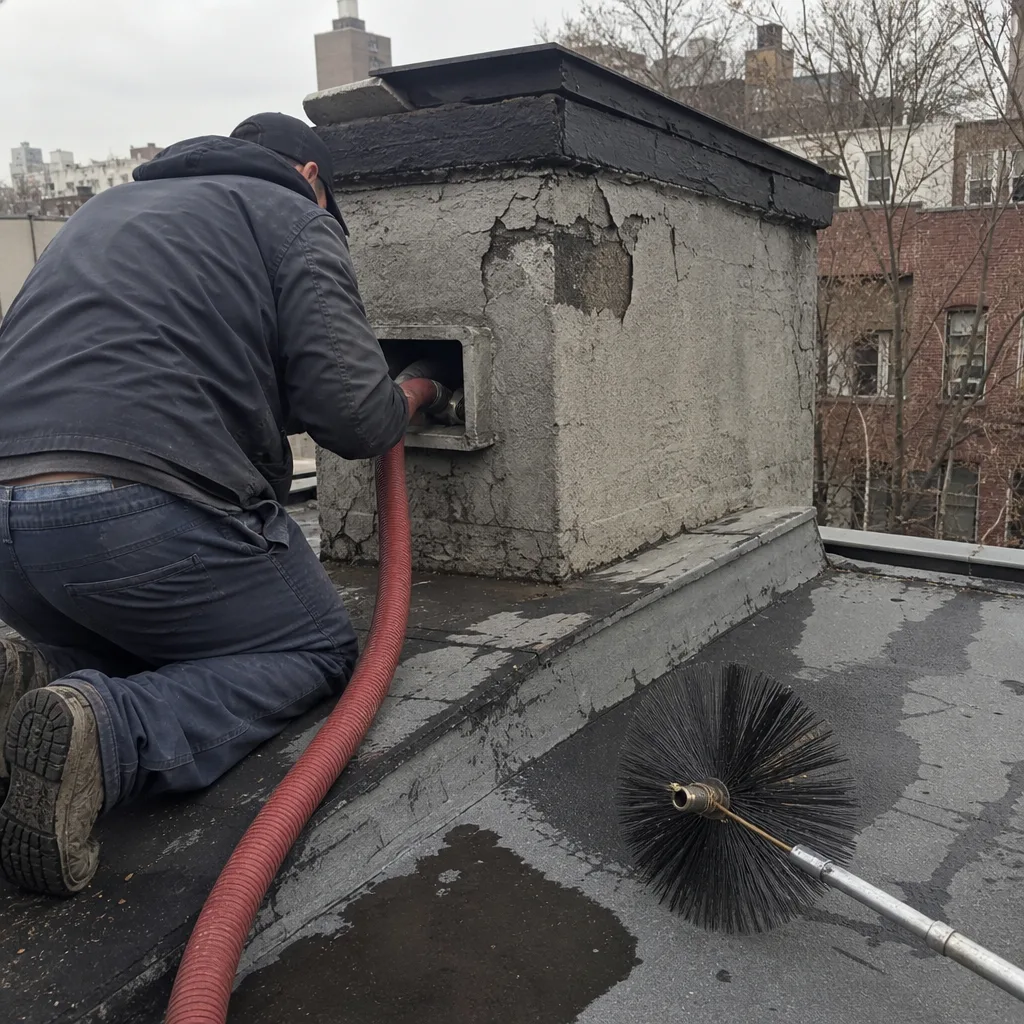 Before
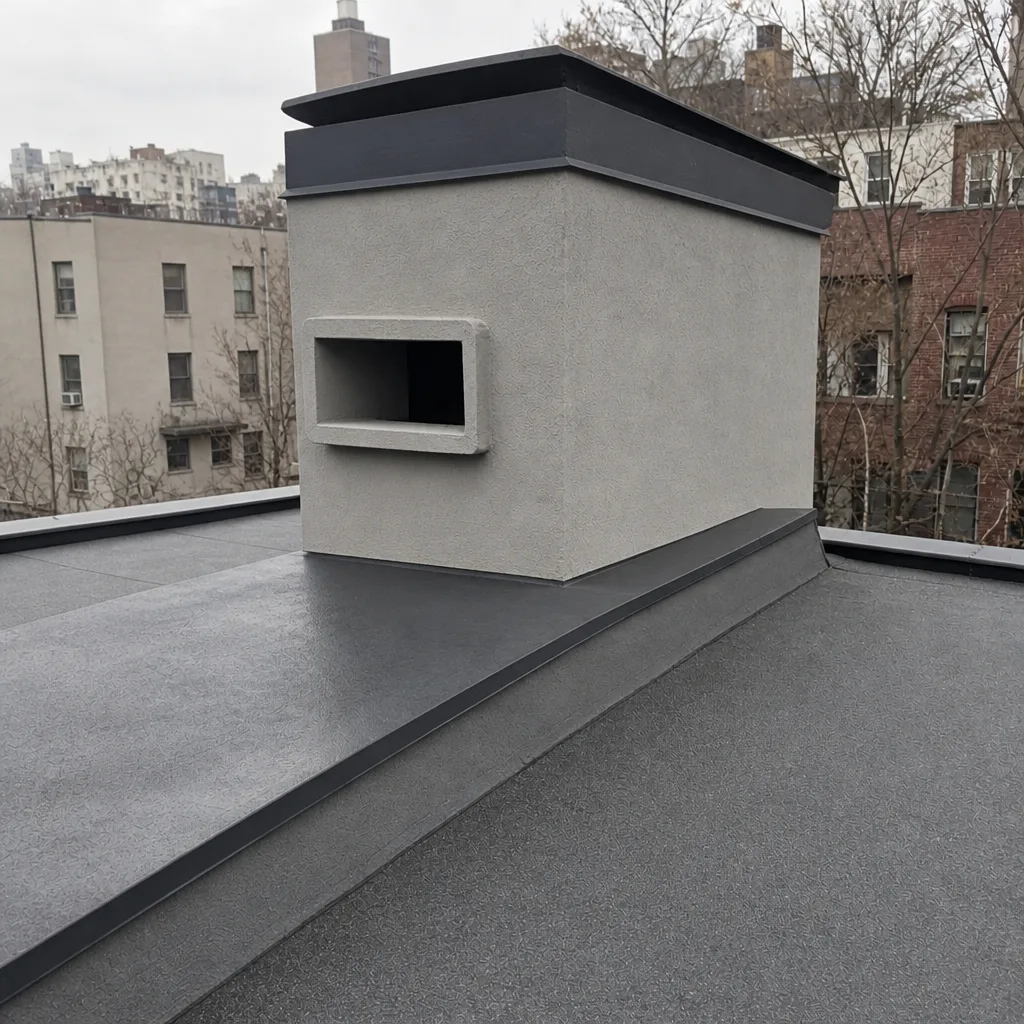 After
When to Call a Professional
Call a professional when the ducts are building property rather than yours, when there’s any sign of mold or rodent debris, when a renovation just finished, or when a musty smell returns after you’ve cleaned the grilles. Call when you want the system put under negative pressure and documented with photos. Call when a duct joint needs sealing, since that’s a repair task rather than a cleaning one. And call on a schedule, before the settled layer gets thick enough to make the job longer and more expensive. Air Duct Cleaning East Village offers free estimates in East Village. Call (855) 952-0316. We answer 24/7. Fast dispatch from 7am to 7pm, Sunday through Friday. Our technicians have up to 15 years of experience, and the local pro is licensed and insured as their state requires.
Frequently Asked Questions
You can handle register grilles, filter changes and a visual inspection yourself, and those tasks are worth doing. What you can’t replicate is the negative pressure containment a professional machine creates, which is why full duct cleaning inside the run is a professional job. In a shared-duct building, the line between DIY and professional also runs along the lease, since the system may not be yours to open.
Because the equipment does something a shop vac can’t. A professional system moves 1,500 to 2,000 CFM against roughly 50 CFM from a consumer vacuum, and it pairs that suction with rotary agitation and HEPA-filtered containment. You’re paying for removal rather than redistribution.
We quote per system based on a written estimate, and the price is set before any work begins. That structure protects you from the bait-and-switch pattern where a low advertised figure becomes a far larger invoice once the technician is on site. Call (855) 952-0316 for an exact quote. Estimates are free.
Ask for before-and-after photos of your own ducts. We take them on every job, and they give you something concrete to check rather than a verbal assurance. A provider who can’t produce photos hasn’t documented the work.
We seal it on the spot in the same visit. Duct repair and sealing is one of our five core services, so you don’t get handed a referral and a second appointment. The technician fixes what the cleaning uncovers while they’re already in the system.
It depends on the system and how it’s used. New York heating season loads the filter fast, and a building with steam risers throws more dust into circulation than a modern construction. If you change filters on schedule and clean the grilles monthly, you can stretch the interval between professional cleanings. A musty smell that returns after cleaning the grilles is the clearest signal to call. Call (855) 952-0316 for an exact quote. Estimates are free.
The Bottom Line
The DIY-versus-professional question for duct cleaning comes down to equipment physics and ownership. Register cleaning, filter swaps and visual inspection are honest DIY tasks and worth doing on a routine schedule. Cleaning inside the duct run requires negative pressure, high CFM and agitation tools that a consumer setup can’t replicate, and in an East Village co-op or rental those limits hit faster because the ductwork is often shared and building-owned. Active mold, rodent debris and post-renovation particulate push the decision firmly to the professional side. Use DIY maintenance to keep the filter clean and the grilles washed, then book a professional cleaning on a schedule rather than waiting for a problem. That combination gets you the most out of both.
If you’d like a straight answer on your own system, call (855) 952-0316 for a free estimate. We answer 24/7. Fast dispatch from 7am to 7pm, Sunday through Friday. We bring Rotobrush, Nikro and Abatement Technologies equipment to the job, we quote one flat price per system before work starts, and we show you before-and-after photos so you know what came out. From cleaning to sealing to sanitizing, the whole chain stays with one provider.
Written by the team at Air Duct Cleaning East Village.